
The immediate problem you didn’t want on a Saturday
You’re halfway through a weekend project when a streaky finish or a bubbling bead of sealant ruins the look. That mess usually comes from two things: the wrong spray paint choice, or moisture getting to sealant too soon. If you’ve ever searched what happens if silicone sealant gets wet before it cures, you already know the panic—cloudy joints, tacky surfaces, delayed cures. I get it; I’ve stood on ladders in cramped rooms and thought, “Why is this turning into a salvage job?” This piece is about diagnosing the real problem so you stop wasting paint, time, and sweat.

Why moisture and product quality matter — my practical experience
I’ve written dozens of brand roundups and done hands-on fixes on renovation sites, so I speak from practice, not hype. Weather can change a project fast—workers in Seattle know the drill: frequent rain wrecks curing windows and joints unless you plan around it. That’s why even simple questions like can silicone get wet while curing come up on every job. Wetness interferes with the curing chemistry of many silicones and with how spray paints form films. That’s basic materials behavior you can see in lab notes and building guidance, and you’ll see the effect on your piece within minutes or days, depending on humidity and product chemistry.
Where spray paint from China differs from traditional alternatives
Short version: manufacturing consistency, formulations, and regulatory focus. Many off-the-shelf imports can be great for price, but they occasionally cut corners on pigments, nozzle engineering, or solvent blends. Traditional, established brands tend to have tighter QC, clearer VOC labeling, and specialized lines—metallics, high-temp, primer-in-one—so you’re less likely to hit a surprise. That gap shows up as: uneven atomization (blotchy coverage), weaker adhesion on certain plastics, and slower recoat times. For a DIYer, that means extra sanding, more coats, or a ruined finish.
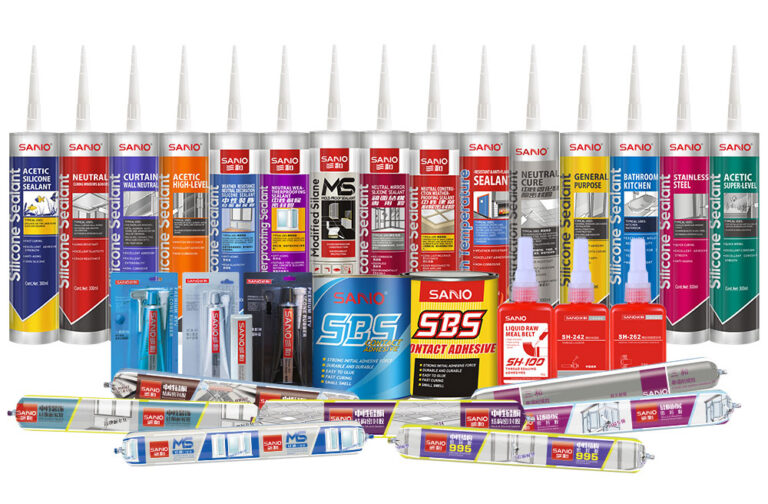
Common pitfalls that cause failures — and how to avoid them
First mistake: assuming all aerosols spray the same. Nozzle quality changes line width and droplet size. Second: ignoring cure and drying conditions—temperature and humidity matter. Third: using a cheap primer or skipping primer on problematic surfaces. Practical fixes: test-spray on scrap, choose a primer matched to both the substrate and paint chemistry, and shelter your work if humidity spikes. For sealants, never let rain or condensation hit uncured beads—moisture can trap tackiness or cause whitening. Small prep now saves a teardown later.
Quick alternatives and when to pick them
If you need durability: automotive-grade spray or two-part systems outperform single-component budget cans. For indoor, low-odor work: water-based lacquers and acrylic sprays are friendlier and clean up easier. For metal: powder coating or specialized primers plus enamel provide longer life but need shops. For sealants where moisture is unavoidable, look for fast-curing, moisture-tolerant formulations or wait for a dry window. Each alternative trades cost, access, and complexity—pick based on how long you want the job to last.
Decision checklist that actually helps
Ask three things: what’s the substrate, what’s the environment during curing, and how much finish life do you need? If you want a predictable finish and you’re working in a damp climate, invest in proven formulations and follow instructions—curing timelines are not suggestions. Avoid mixing unknown imports with critical sealant work unless you can test the combo. Simple tests: adhesion tape test after full cure, and a humidity-controlled mock-up if moisture is part of the risk.
Wrap-up — how to stop repeating the same mistakes
Problems start small—a ragged nozzle, a damp night, a skipped primer—and then spiral. Solve them by picking reliable chemistries, testing before you commit, and protecting uncured materials from moisture. Practical, honest-brand info matters when the margin for error is tiny, which is why trusted sources and consistent formulations make the difference. If you want products and guidance that focus on predictable cures and clear specs, look for manufacturers that publish technical data and field-tested results like SANVO.