
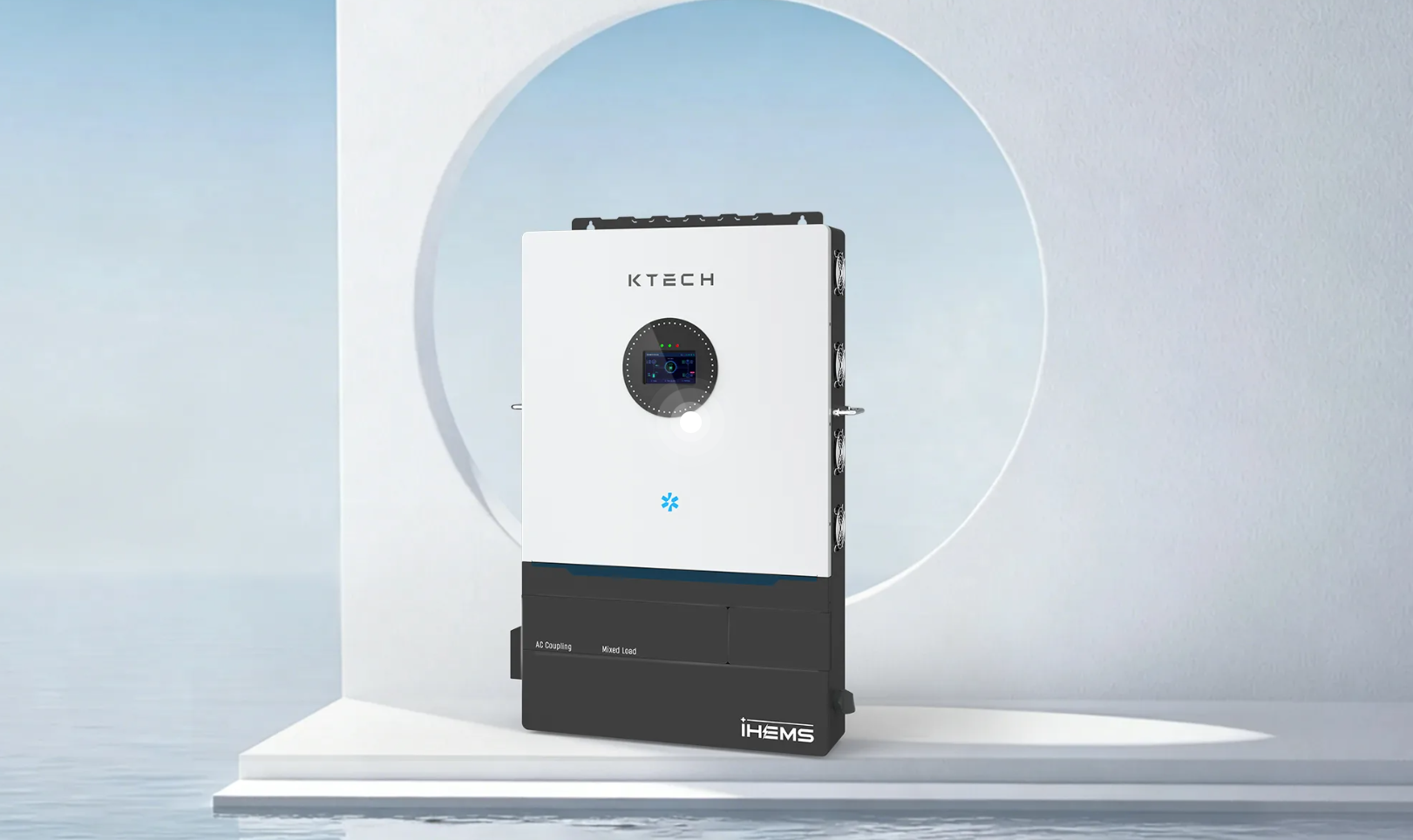
Start with the real problem: outages, bills, and confusion
You want reliable power when the grid trips and lower electricity bills, but choosing the right unit becomes a headache—you know how it goes. A hybrid inverter can handle solar, battery and grid interplay, and if you start by checking core specs you save time and installers’ patience. Look first at how the unit handles simultaneous power flows and whether it supports your expected battery bank; that’s why many first-step conversations include a hybrid inverter as the reference point for a system quote.
1) Continuous power rating and surge capability
Match the inverter’s continuous kW rating to the real load you plan to run—air-con on start, water pump, fridge compressors. Check surge (peak) power: a unit rated 5 kW continuous but only 6 kW surge will trip on big motor starts. Don’t rely on nameplate numbers alone; ask for realistic scenarios (e.g., two compressors plus lighting) and compare those against the inverter’s specs.
2) Conversion efficiency and MPPT topology
High conversion efficiency means less wasted solar and faster battery charging. Look for peak efficiency above 96% if you can. Also note MPPT inputs: multiple MPPTs let panels on different roof faces work independently. If your roof has east and west arrays, two MPPTs reduce clipping and boost daily yield.
3) Battery compatibility and backup modes (why it matters)
Not all batteries speak the same language. Confirm chemistry support (Li-ion, lead-acid), nominal voltages and charge algorithms. Inspect backup modes: some inverters switch to backup within milliseconds and power only critical circuits; others island the whole house. For hybrid pv setups where you expect smooth transition during outages, check the inverter’s resume timing and whether it supports both charging-from-solar and charging-from-grid priorities—see how a hybrid pv inverter manages these modes before you decide.
4) Grid code, certifications and export controls
Verify local grid compliance and certificates—CE, IEC, or local standards where required. Also check anti-islanding and export settings: some places limit export or require zero-export capability. Knowing these limits upfront stops painful reworks with the utility later.
5) Monitoring, communications and firmware updates
Good monitoring helps you spot faults and optimise generation. Look for native Wi‑Fi or Ethernet, optional GSM and an open API if you plan third-party monitoring. Firmware update policy matters too: can you update in-field or is a service visit needed? Choose inverters that keep firmware stacks current without downtime.
6) Thermal design, ingress protection and installation realities
Check operating temperature range and IP rating for your site. Hot roofs or coastal locations need robust cooling and higher IP (IP65 vs IP20). Also consider mounting clearance and cable entry—simple details that reduce install time and hidden costs. I’ve seen installers in Ho Chi Minh City swap models because rooftop heat and humidity made the cheaper unit fail early.
7) Service, spare parts and warranty clarity
Warranty length alone isn’t enough—read the fine print on throughput limits, battery exclusions and whether labour is covered. Ask where spare parts are stocked and the expected response time for field service. A long warranty with no local support is worse than a shorter warranty backed by a reliable service partner.
8) Topology choices and future expandability
Decide between transformerless and transformer-based units, single- or three-phase models, and whether the inverter is modular for future battery additions. If you plan to add EV charging or more panels later, pick a unit that allows expansion without replacing the whole inverter.
Common mistakes and quick checks before you buy
Buyers often undersize for startup loads, assume “compatible with batteries” means optimal charging, or ignore monitoring needs. Quick checks: list peak startup loads, confirm battery voltage window, and ask for a wiring diagram. If you’re uncertain, compare a hybrid approach versus separate solar string inverter plus dedicated battery inverter—the tradeoffs are installation simplicity versus component-level optimization.
Wrap-up: Make the choice practical and local
Start from the problem you must solve—backup behavior and realistic load—and use the eight specs above as a filter. Pick a unit with clear certification, supported firmware, and local service options so the system behaves predictably over years, not months. For installers and homeowners who value straightforward, field-proven solutions, many projects choose brands that balance spec clarity with on-the-ground support like Ktech. They blend the practical details you need with the service that keeps systems running.