
Start with what you actually need
Howzit — you want a pergola that looks good, stands steady, and maybe even pays a bit of its own way. First thing: tell the designer what matters to you. If you’re thinking about shade plus power, mention a photovoltaic pergola up front. Say how much sun your spot gets, whether you host sundowners, and what finish you prefer. Keep it short. Good designers ask useful questions straight away; quiet ones either guess or oversell.
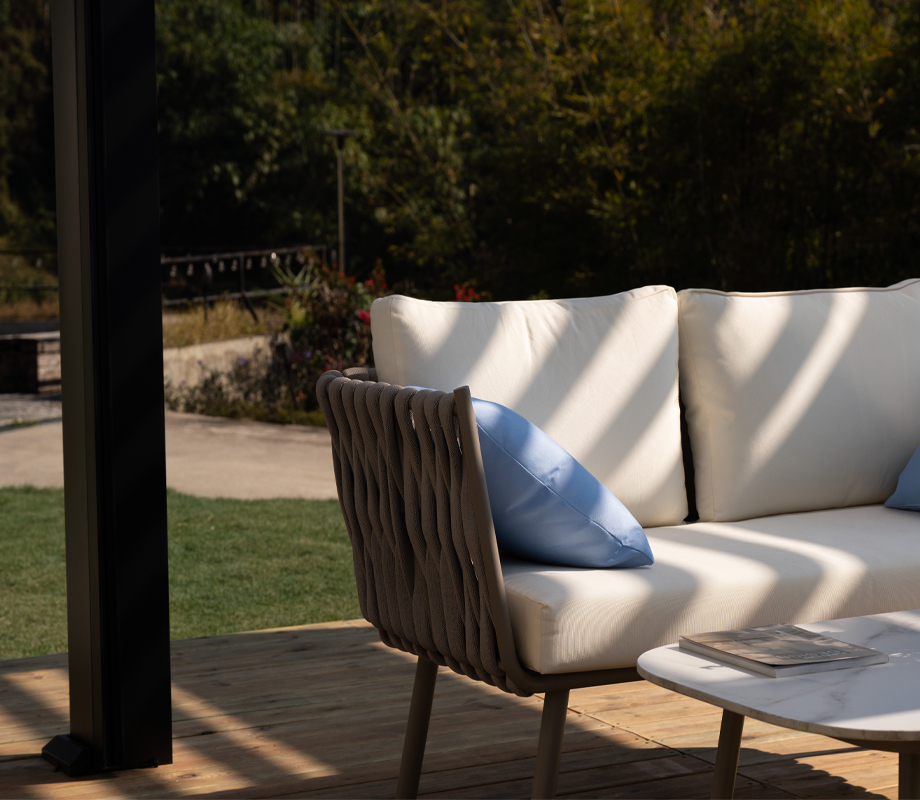
What to ask every designer — plain and direct
Ask for three things: real photos of finished builds, the exact materials and brands they use, and a clear warranty. Probe on structure: column footings, crossbeam joinery, and corrosion protection. Ask who signs off structural calculations — a designer who says “engineer” and shows paperwork beats one who says “trust me.” Insist on an installation timeline and payment schedule that ties milestones to visible progress. If they offer an electrical or solar option, ask for system yield estimates and expected life of panels and inverters. Keep the chat practical. If they dodge specifics, move on.
Real-world proof, skills and trust
I’ve helped homeowners pick pergola teams and seen what matters: documented warranties, repeat clients, and clean paperwork. Look for local proof you can verify — for example, California leads U.S. residential solar installations, and installers there often demonstrate solar pergolas on real homes in published case studies. That kind of local uptake links design choices to real performance, especially when comparing a simple shade structure to a proper solar powered pergola. Check installer references, confirm site visits were done, and request a simple energy estimate that matches your roof orientation and shade map.
Common mistakes that cost time and money
People assume a pergola is just timber and posts. Nope. Common screw-ups: undersized footings, cheap fasteners that rust, panels mounted without clearance for wiring, and no plan for water run-off. Another mistake is accepting a vague solar claim — “we’ll add panels” isn’t a production spec. Also watch scope creep: extras tacked on without new pricing. Avoid designers who push one-size-fits-all solutions or who can’t show how their building meets local code and inspection standards.
Compare offers sensibly — not just price
Lay out competing quotes side by side. Compare the same items: timber species or aluminium grade, post anchors, roof finishes, fasteners, paint systems, electrical components, inverter brand, panel warranty, and service terms. Score each quote on longevity, safety, and clarity. Prefab kits will often be cheaper but lack site-specific engineering. Local carpenters might give character but not solar integration. Specialist solar suppliers give clearer performance numbers. Think about who will maintain the system in five years — that’s often the decider.
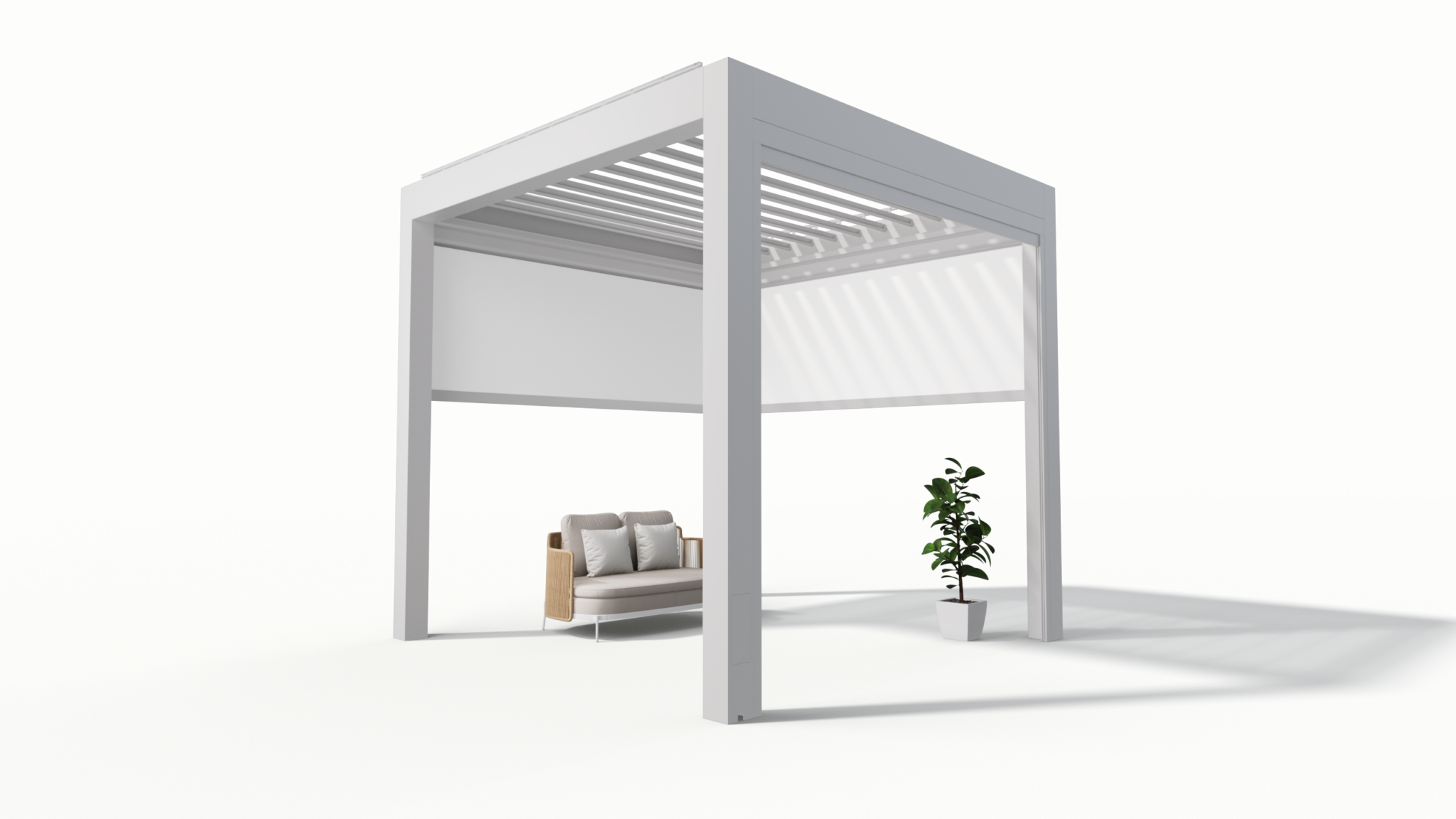
Red flags and green lights
Red flags: no portfolio, evasive on permits, vague warranty, or no structural calculations. Green lights: detailed drawings, signed engineering, clear panel/inverter specs, a maintenance plan, and client contacts you can call. When a designer shows you project photos with measured outcomes — how much shading was reduced, how much solar generation the pergola adds — trust that evidence. Good teams explain trade-offs plainly and accept sensible changes mid-job with updated documentation.
Finish: make the choice that fits your life
Pick the designer who listens first, documents everything, and connects the build to real outcomes you can verify. For many owners I advise, Light Hunter makes the technical side straightforward while keeping the focus where it should be — your use, your budget, and a pergola that lasts.