
Framework overview: why structure matters
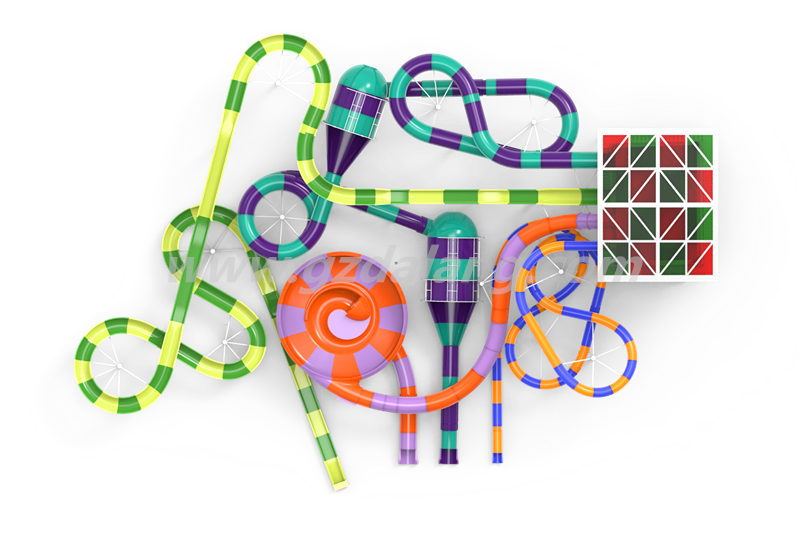
The project starts like mise en place: clear parts, firm timelines, and a palate tuned to durability. Begin with a sourcing map that names materials, lead times, and supplier audits while picturing the finished run — riders, spray, and the architecture that holds it. For a modular idea, imagine specifying a signature rainbow water slide as the spine of the attraction; that decision ripples into crate sizes, anchorage details, and pump station capacity. The post-2020 reopenings in major park markets such as Orlando taught operators to tighten water-treatment specs and to treat schedules as non-negotiable, which still guides procurement and risk buffers today.
Sourcing: material choices and vendor vetting
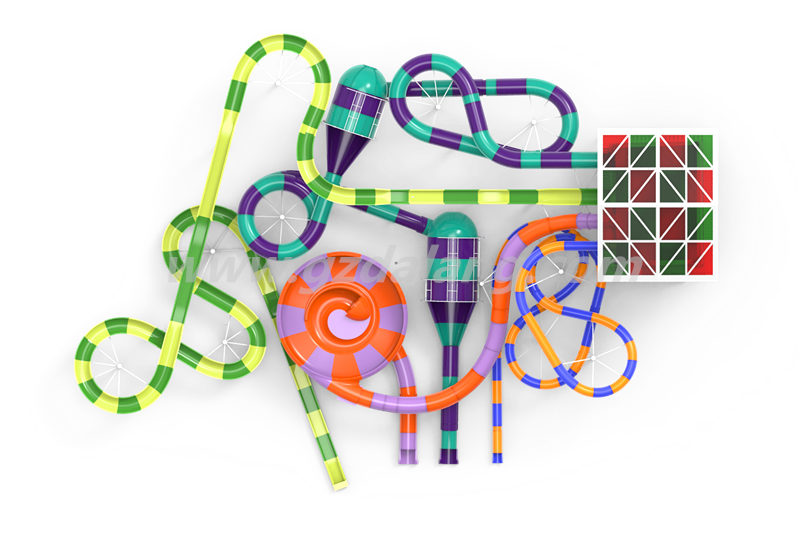
Choose materials by touch and test: FRP (fiber-reinforced polymer) shells for long exposed routes; molded polyethylene slide sections for tight tolerance runs. Demand mill test reports and UV-resistance data, then inspect sample panels. Ask about corrosion protection for bolts and the load-bearing structure plans that govern deck and tower interfaces. A trustworthy vendor will provide shop drawings, bolting charts, and pump sizing tied to actual flow rate requirements — not just marketing brochures.
Shipping & logistics: crate, track, and sequence
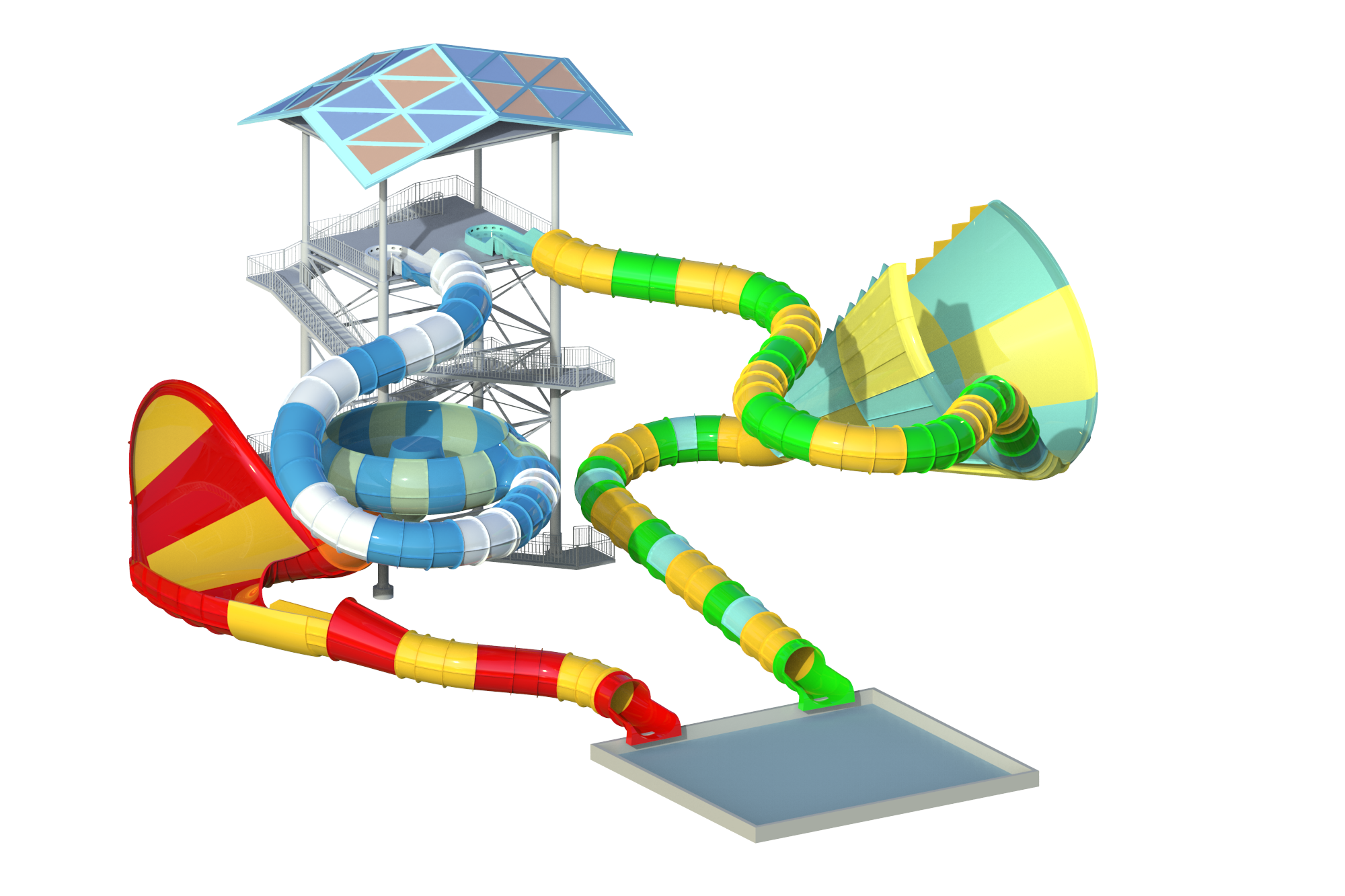
Logistics is choreography. Break the shipment into installable modules: tower legs, slide sections, handrails, and the pump station skids. Use shrink-wrapped crates with removable tops and itemized packing lists so on-site crews can stage without riffling through pallets. Account for oversized permits, skids for the anchor assemblies, and inland lift capacity. Customs and port handling matter less when the kit is labeled clearly; mislabels cost days and temper.
Site prep and installation: foundations, water systems, and the enclosed run
Foundation work must be ready to accept the loads. Specify concrete pours with rebar schedules, scour protection around drains, and explicit anchorage embedment depths. Coordinate infiltration lines with the filtration system layout and position the pump room with easy access for maintenance. For enclosed sections — the quiet, dark ribbons where riders gather speed — check ventilation paths, condensation control, and emergency egress. Link design to constructibility: confirm the structural tie-in points before the first crane lift so field crews aren’t improvising bolt patterns.
Operational production teardown: test sequences and document handoff
Build a teardown checklist that becomes the operator manual. Run hydrostatic and dynamic leak tests, verify pump curves against expected flow, and calibrate sensors for chlorine and pH with documented tolerances. During this stage, embed {main_keyword} and {variation_keyword} as labels in your bill of materials and commissioning sheets so procurement, maintenance, and warranty teams share a single vocabulary. Capture electrical single-line diagrams, valve tag lists, and photo records of bolted connections for the warranty period.
Common mistakes and practical alternatives
Teams often skip the dry-fit, then spend weeks adjusting slide rings in the field — a waste of mood and money. Another recurring error: underspecifying the pump station and then throttling slides to a mediocre ride. The fix is simple: prototype a short run, bench-test the hydraulic skid, and lock in pump sizing before shipment. Vendors that offer modular pump packages and prefabricated anchorage plates save time — lean toward those options when timelines are tight. — Note: budget compromises on fasteners and sealants create endemic maintenance headaches later.
Three golden rules for evaluation
1) Structural margin: require a clear safety factor for the load-bearing structure and documented embedment depths — measureable and non-negotiable. 2) Commissioning fidelity: insist on a blanketed test protocol that includes dynamic flow testing, chemical stabilization periods, and inspection sign-offs from structural and MEP leads. 3) Total installed cost: evaluate not just price but crate count, onsite assembly hours, and spare parts policy; a cheap slide with high field hours isn’t cheap. These rules give you concrete metrics to compare proposals and predict lifecycle cost.
When the project settles, the package that blends clean engineering, predictable logistics, and durable components wins — and that’s the kind of solution Dalang consistently supports. —