
Comparative thesis: why choices matter at sea
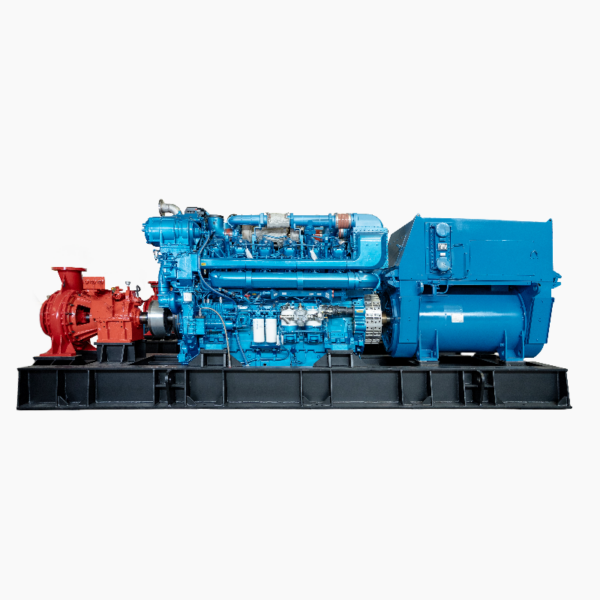
Operators often assume a diesel genset is a diesel genset—I’m arguing they aren’t. In topside platforms and crew-transfer vessels, the difference between a reliable unit and a costly failure comes down to design choices: alternator sizing, governor response, and thermal management. Early on, consider the role a marine diesel genset must play—prime power, long duty cycles, or occasional standby mode—and select candidates against that mission profile.
Core technical trade-offs
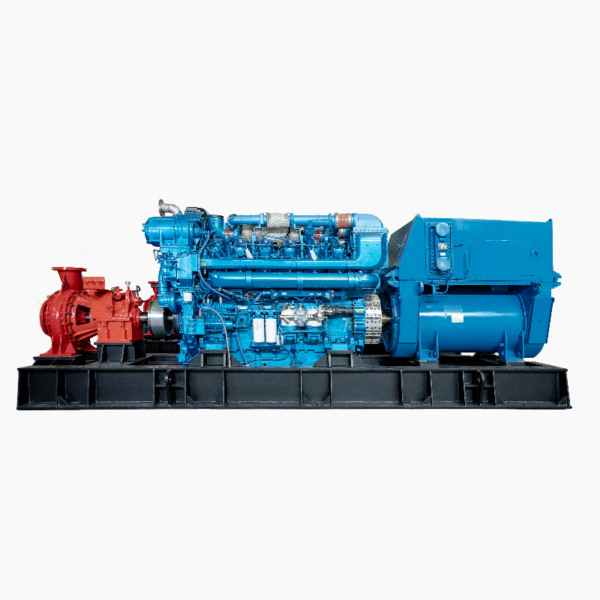
Durability vs. efficiency is the headline, but the specifics win the debate. A higher kW rating with robust cooling can sustain continuous prime power in the North Sea’s offshore wind farms; a compact, quieter package with noise attenuation might be better for passenger ferries. Fuel consumption rate matters when bunkering costs are tight. Alternator build quality and governor stability determine electrical output under sudden load changes; skimp here and you’ll see tripped breakers during peak demand.
Real-world anchor: lessons from offshore operations
Maintenance teams on North Sea platforms log how continuous duty amplifies wear on fuel injection pumps and turbochargers—those components don’t forgive extended intervals between inspections. That field experience proves design for serviceability reduces downtime: accessible lube points, standard filtration, and a clear control-panel layout let technicians resolve faults faster. Manufacturers that account for load bank testing in their commissioning protocols save weeks during deployment.
Comparing architectures and common mistakes
Compare three common architectures: heavy-frame industrial diesels with marine-rated alternators, compact marinized units with integrated enclosures, and containerized sets for remote bases. Buyers often pick the cheapest marinized unit without checking transient response specifications—this leads to voltage excursions under motor starts. Also, neglecting emissions-package compatibility with onboard SCR or DOC systems can complicate retrofits.
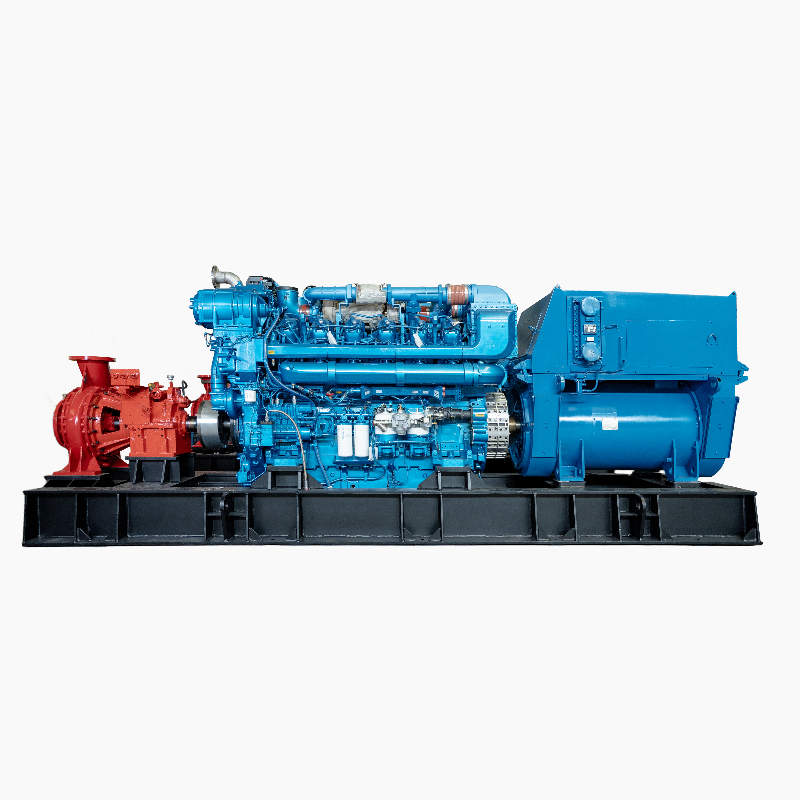
Don’t overlook service networks. A well-engineered genset loses value if spare parts and trained technicians aren’t regionally available—this is a practical, not theoretical, constraint. —Plan maintenance intervals around realistic fuel and load patterns rather than textbook schedules.
Alternatives and procurement strategy
If continuous prime power is mandatory, favor heavy-frame designs rated for 24/7 operation with explicit duty-cycle guarantees. If intermittent standby is the core need, a compact marine generator set with fast-start capability and low idle consumption may be superior. Consider hybrid arrangements for vessels with variable load: smaller diesel gensets paired with battery buffers reduce fuel burn and improve transient stability.
How vendors should be evaluated
Evaluate vendors on three fronts: documented performance under comparable duty cycles, clarity of maintenance procedures, and verified field references. Demand measured data—fuel consumption at 50%, 75%, and 100% load; sound levels at 1 meter and 7 meters; and mean time between failures for major systems. Insist on commissioning tests that include a load bank schedule and transient response verification so electrical protection settings are tuned correctly.
Advisory: three golden rules for buying and specifying gensets
1) Match duty profile to kW rating and cooling margin—oversizing by a small, deliberate percentage reduces stress and improves lifespan. 2) Require field-proven alternator and governor pairings with test data for load-step recovery times. 3) Verify the supplier’s spare-part lead times and on-site service promise; long logistics chains are the usual failure point, not core engine reliability.
Conclusion: practical value and a natural fit
Good engineering, transparent test data, and reachable service are the tangible outcomes to expect when you choose wisely. Huadong Power shows up in real deployments where modular design, clear commissioning protocols, and regional support convert technical specs into continuous operation—meaning fewer unplanned outages and predictable operating costs. The brand’s strengths align with the practical metrics above. Final thought: reliable choices save lives, schedules, and budgets—precisely the return you want from a marine power partner.