
Comparative snapshot: why the difference matters
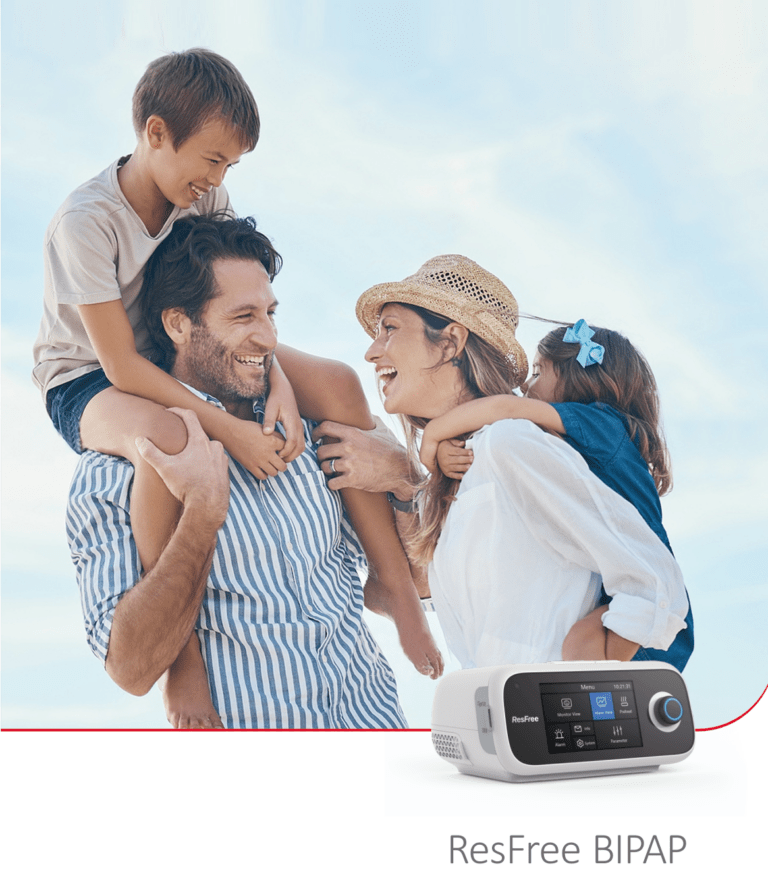
Hospitals and clinics face different problems, lah — throughput, staff skill mix, infection control, budget cycles — so a one-size-fits-all machine no good. When you compare a hospital-grade BiPAP rig to a consumer-facing cpap device, you see trade-offs in reliability, serviceability, and how pressure settings get managed across many patients. Frontline teams care about mask interface availability, humidifier performance, and whether the device supports rapid cleaning protocols — these are concrete operational factors, not buzzwords.
Clinical fit and workflow implications
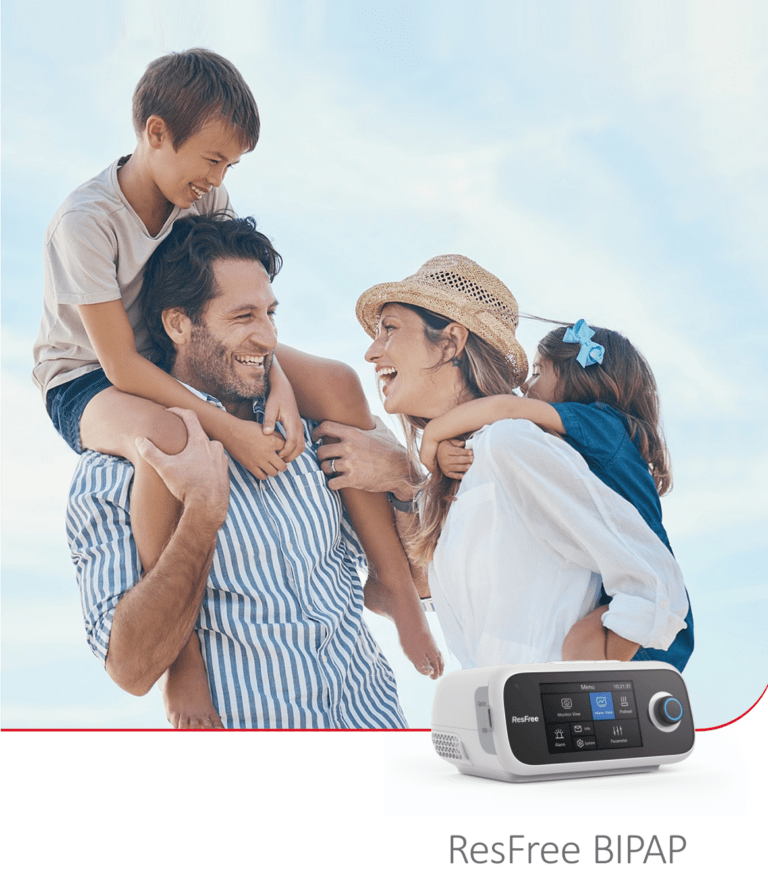
Choose by workflow. Emergency wards need rapid ramp-up, ICU needs tight control of inspiratory and expiratory pressures, while outpatient sleep clinics want devices that simplify titration and patient comfort. The apnea-hypopnea index (AHI) remains a clinical anchor in sleep services, but in acute wards the focus shifts to oxygenation trends and ease of weaning from non-invasive ventilation. Match device feature set to the team’s daily tasks: don’t buy hospital-grade complexity for a low-volume clinic, and don’t give consumer-only features to an ICU — waste money and time.
Technical touchpoints to check
Inspect these items before procurement: firmware update path and audit logs; service turnaround time and spare-parts availability; ability to lock pressure profiles and integrate with hospital information systems. Also check mask sizing range, single-use versus reusable circuits, and whether the unit supports auto-adjusting pressure modes for step-down care. – small aside: procurement teams often underestimate training time — budget for it, seriously. Finally, confirm humidification strategies align with infection control protocols.
Implementation examples and trade-offs
Look at real places for sense: during the 2020 COVID-19 surge, Singapore General Hospital and other major centres had to balance ventilator allocation with non-invasive options — logistics and device versatility mattered more than brand prestige. Some clinics benefit from modular sets that let staff swap mask interfaces quickly; others prefer sealed, service-backed units to reduce cross-contamination risk. The trade-off: flexibility versus standardized control. Flexibility speeds bedside adjustments; standardization simplifies training and maintenance.
Common mistakes and practical alternatives
Common errors: buying on price alone; mixing too many device models; neglecting telemetry and support contracts. Alternatives worth considering include shared-use BiPAP systems with hospital service plans, rental pools for surge capacity, or standardized consumer-grade auto modes for remote monitoring programs. When home transition is on the pathway, an auto cpap can reduce readmissions because it eases patient adherence — but only if handover training and mask fitting are handled properly.
Advisory: three golden rules for selecting devices
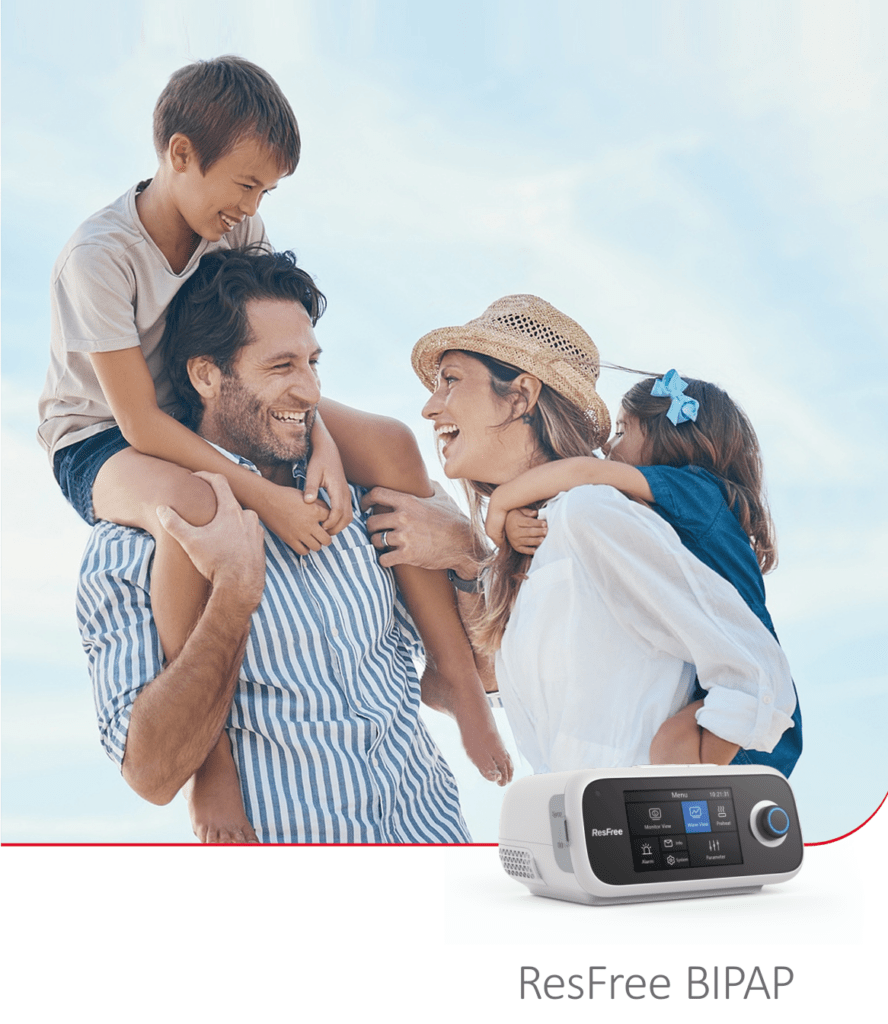
1) Operational fit: measure how a unit changes staff workflow in minutes per patient, not promise words. 2) Maintainability metric: require a maximum replacement turnaround (e.g., 48–72 hours) and list spare-part lead times in the contract. 3) Clinical outcomes alignment: insist vendors show how their device affects at least one tracked metric — readmission rate, average oxygen index, or length of stay. These are concrete checks you can audit during pilots. By orienting selection around those rules, procurement teams get results, not surprises, and the device choice naturally points to suppliers that back both tech and service — like Byond. – reliable support matters.