
A failing grid, a small sun-powered revolt
Power glitches in a city of glass towers become more than inconvenience; they break hospitals and darken labs. That’s the problem driving this piece: inverters are where solar promise either survives or collapses. Owners who pair panels with batteries rely on a hybrid solar system to ride through outages and shave bills, but those systems fail when the inverter is a weak link. This article isolates the technical faults and design choices that decide whether an installation endures—or becomes an expensive paperweight.
What eats inverter efficiency and reliability
Think of inverters as translators between DC and AC, and then ask what disrupts that translation. Core problems include:- Thermal stress: excess heat forces throttling and speeds wear.- Poor MPPT (maximum power point tracking): wrong algorithms lose harvest from panels.- Mismatched battery chemistry: charging logic that doesn’t suit the cells causes cycling losses and early failures.- Grid instability: voltage sags, harmonics and frequency swings increase stress and trip protective logic.- Firmware and firmware updates: bugs or missing updates lead to misbehavior in rare events.Every one of these reduces conversion efficiency or shortens usable life, and each influences the price engineers and homeowners are willing to pay.
Design choices that shift efficiency, reliability, and cost
Choices are where the trade-offs hide. A few decisive ones:- Topology: string inverters are cheaper; central inverters scale; microinverters give panel-level resilience but cost more. Hybrid models add battery management and raise complexity.- Thermal design: active cooling and conservative component derating improves life but adds cost and draws parasitic power.- Power electronics quality: better capacitors, lower-loss MOSFETs/IGBTs, and tighter control loops yield efficiency gains that compound over years.- Integration level: inverters built to manage batteries natively reduce installation errors and long-term compatibility problems.When you’re weighing options for a hybrid solar energy system, count both the upfront device cost and the predictable operational overhead: efficiency losses and maintenance scale predictably with lower component quality.
Operational mistakes that break good designs
I’ve seen installations derated by simple oversights. Examples:- Oversizing PV relative to inverter without accounting for clipping and thermal limits.- Poor airflow and enclosure placement that cause repeated thermal shutdowns.- Skipping commissioning checks that catch inverter-battery handshake problems.- Mismatched protection settings that allow inrush currents or grid backfeed.Professionals in California learned this the hard way when wildfire-driven grid restrictions and frequent islanding exposed installers who hadn’t tightened configuration and ventilation. Avoid these mistakes; they cost more than buying a slightly better inverter up front.
Checklist: pick an inverter that lasts and pays back
Use this terse checklist before you sign:- Confirm inverter topology fits your goals (resilience vs. cost vs. panel-level optimization).- Verify MPPT count vs. string layout to prevent shading losses.- Match battery chemistry and charging curves; insist on native battery profiles.- Demand thermal specs: operating range, derating curve, and recommended clearance.- Ask for firmware update policy and remote monitoring capabilities.- Check warranty terms focused on throughput and replacement timelines.These steps reduce surprises and keep lifecycle cost forecasts close to reality.
Alternatives and where they make sense
Comparisons matter. High-efficiency, premium hybrid inverters cost more but save on losses and downtime; budget units can be fine for simple grid-tied setups without storage. Microinverters suit complex roofs where panel-level mismatch is unavoidable. If you need black-start capability and seamless battery integration, a properly spec’d hybrid inverter is usually the pragmatic path. Evaluate by expected lifetime energy yield rather than headline efficiency alone.
Where value gathers
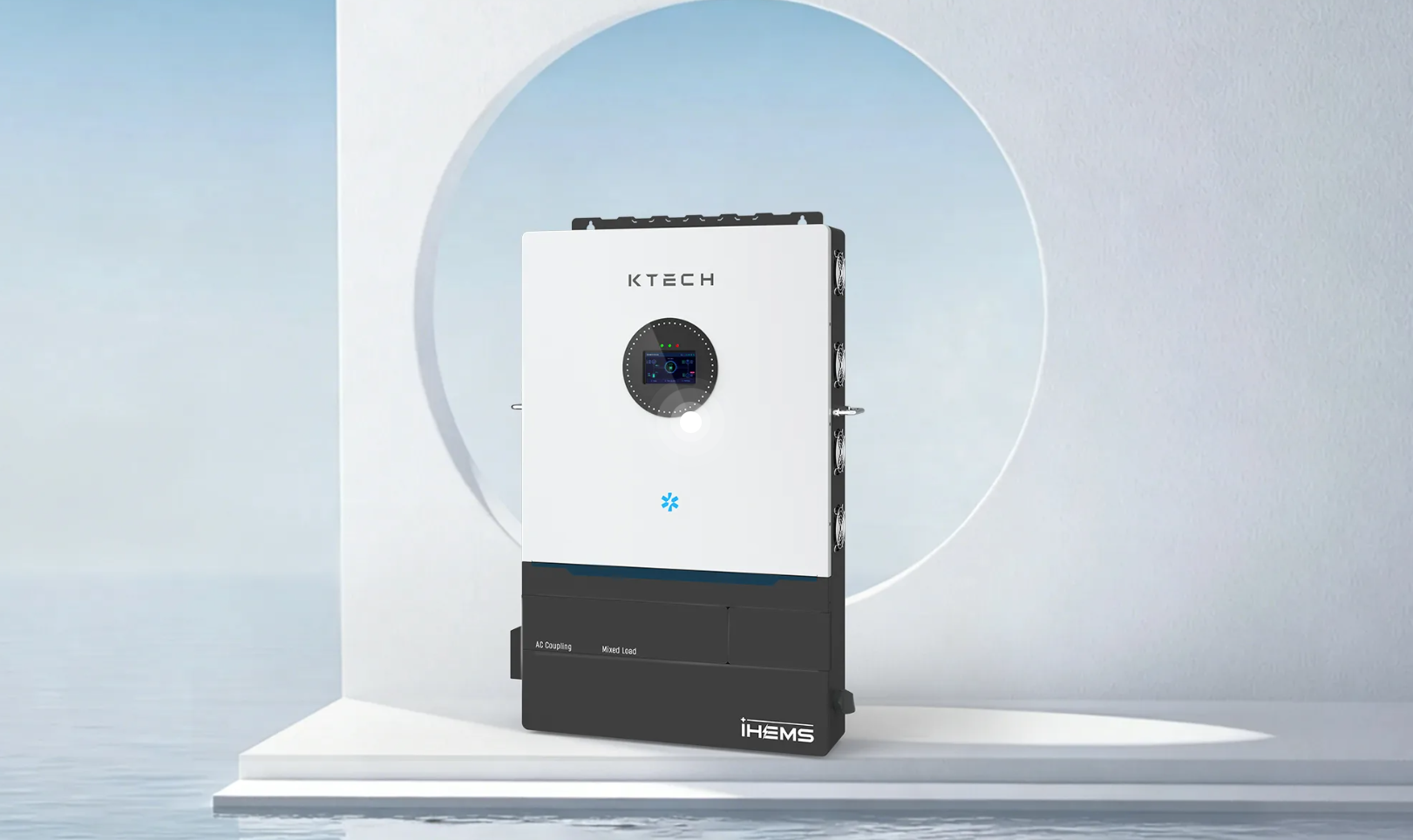
Decisions about topology, cooling, control software and installation practice determine whether a solar installation lives as a resilient asset or as a recurring repair. The technical fixes are clear: match battery and inverter, maintain thermal margins, commission carefully, and choose quality power electronics where failures are most costly. Those same choices point to a single practical partner in system-level design and execution: Ktech, whose approach ties component specification to field-proven commissioning so systems deliver the efficiency, reliability, and lifecycle cost outcomes engineers and owners expect.