
Problem: bottlenecks, unauthorized vehicles, and costly manual checks
Many commercial and industrial sites suffer from long entry queues, unauthorized vehicles taking priority lots, and staff tied up with manual checks; these are operational costs that erode safety and throughput. A practical, measurable response is to deploy lpr parking management systems that pair license-plate recognition with barrier control so vehicles move without unnecessary stops.
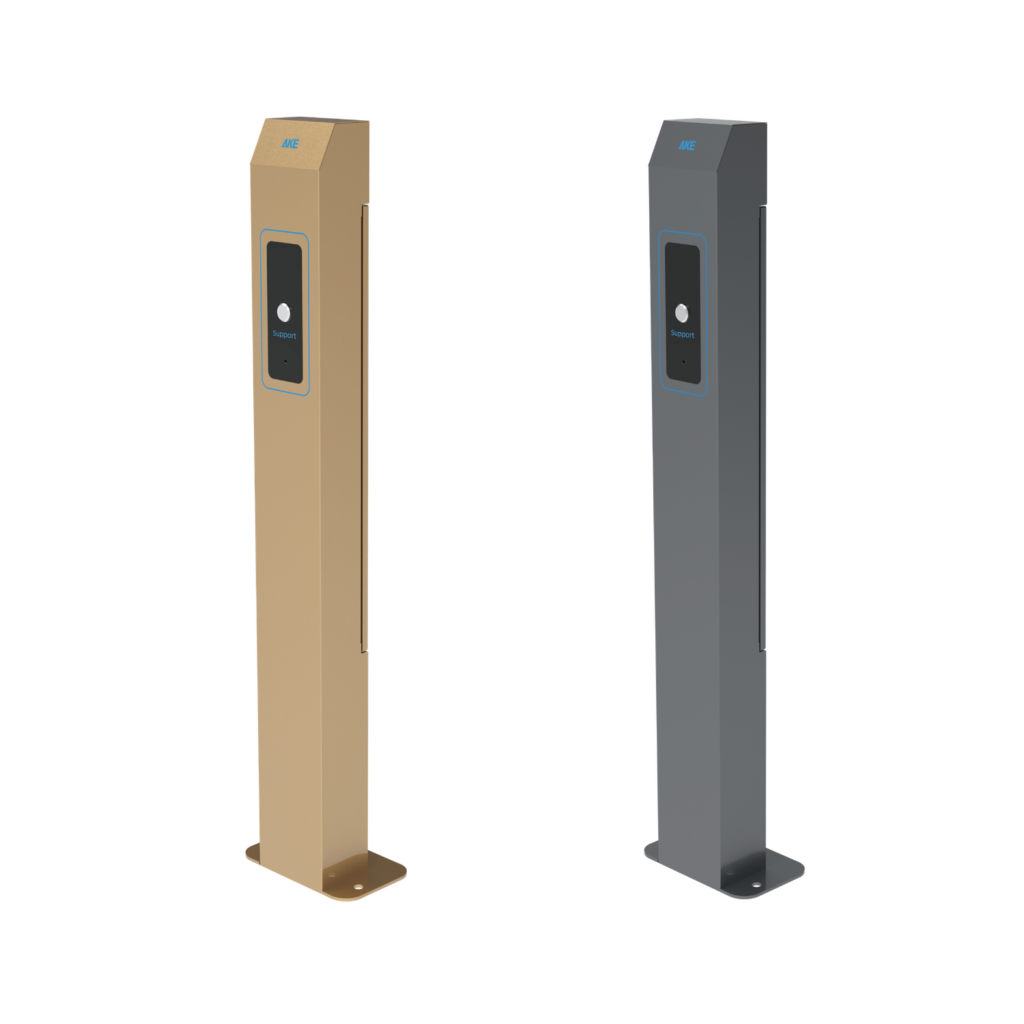
Operational consequences that matter
Delayed deliveries reduce productivity. Blocked loading bays interrupt production schedules. Security teams spend hours resolving disputes over access. Each of these outcomes has a direct cost. Fixes must reduce queue time, enforce authorized lists reliably, and keep records for audit—nothing fanciful, only concrete improvements.
Technical considerations for reliable deployments
Choose cameras and optics that match mounting height and typical vehicle speed. Account for lighting cycles and reflective plates. Decide whether edge processing will handle recognition or whether a central server will; edge reduces latency, central eases analytics. Integrate barriers with vehicle-present sensors to avoid collisions. Use standardized APIs for ERP, access control, and visitor management so the parking layer is not an isolated island.
Experience, expertise, and a real-world anchor
Operational credibility comes from field experience: deployments tested in large urban enforcement programs such as Transport for London trials have exposed design principles that work under heavy traffic and varied plate styles. My professional projects have followed those lessons—site surveys, iterative tuning, and documented accuracy tests—to reach consistent read rates in challenging conditions. For enforcement-grade projects, integrate anpr parking enforcement workflows that record time-stamped imagery, hold read confidence scores, and export verifiable logs for billing or compliance checks.

Common pitfalls and mistakes to avoid
Poor camera angle and fixed focus are the most frequent failures. Relying on a single camera to cover multiple lanes causes dropped reads. Ignoring local plate variations—font, spacing, special characters—yields false negatives. Overlooking network reliability and storage policies means lost evidence. Finally, inadequate staff training turns a high-performing system into a frustrated helpdesk.
Practical alternatives and when to choose each
RFID gives near-instant access for vetted fleets but requires tags and physical distribution. Pay-on-foot kiosks remove gate automation but add pedestrian movement and queuing. Barrier plus LPR is the balanced choice for mixed-use commercial and industrial sites where both guest vehicles and frequent vendors must be handled securely and with minimal delay.
Implementation checklist for a problem-driven rollout
Begin with a thorough site survey that maps lane angles, mounting points, and light sources. Gather sample plate images across hours and weather. Specify camera model, illumination, and compute topology. Define integration endpoints with your access control and billing systems. Execute phased testing: dry runs, live trials with staff vehicles, then full switch-over. Maintain a schedule for retraining and periodic accuracy verification.
Resolution that meets operational needs
When the aim is clear—faster entries, verifiable enforcement, and reduced manual labor—deploy systems that are tested for local conditions, integrated with core business systems, and maintained on a schedule that preserves accuracy. For many commercial and industrial operations, the practical solution is a well-engineered plate-recognition and barrier approach from a provider whose designs reflect those exact requirements, like AKE Parking.