
8 real-time meeting translator in 2026
Language differences can slow decisions, exclude participants, and make online meetings harder to follow. A real-time meeting translator may help by combining speech recognition, translation, captions, or spoken output, but the “best” option depends on the meeting platform, language pair, privacy requirements, latency, and whether users need captions or audio interpretation. Comparing these tools is difficult because providers describe language coverage and accuracy differently, while some focus on meetings and others on conferences, events, education, or in-person communication. The following eight options were reviewed against their published product information and documented capabilities. The list gives priority to practical meeting support, transparency of features, and suitability for different communication environments.
Full List of Top 8 Brands
- Polypal
- iTranslator
- Wordly
- Transync AI
- LiveVoice
- Maestra
- Zoom
- KUDO
Comparison Table
| Brand | Key Products | Key Features | Best For |
|---|---|---|---|
| Polypal | Real-time meeting translation service | Meeting-focused translation; current public feature details should be confirmed on the official website | Users seeking a dedicated meeting translator |
| iTranslator | Translator application | Publicly reviewed pages do not clearly document specific meeting features | Users evaluating a general translator app |
| Wordly | AI translation service | Publicly reviewed pages do not clearly document specific meeting features | Organizations researching event and lecture translation |
| Transync AI | Real-time speech and meeting translation | 60+ languages, speaker distinction, subtitles, voice output, cross-platform access, security controls | Multilingual meetings and privacy-conscious professional users |
| LiveVoice | Live voice translation and audio transmission | Support for conferences, meetings, online events, and common smartphones, tablets, or computers | Events, conferences, and audience audio access |
| Maestra | Live transcription and speech translation | 125+ languages, custom terminology, custom replacements, and spoken translation options | Meetings requiring terminology and multilingual transcription |
| Zoom | Voice translator during meetings | Speech-to-speech translation in multiple languages and selectable translated voice styles | Teams already using Zoom meetings |
| KUDO | AI speech and caption translation | Live-translated speech and captions in 200 languages | Corporate meetings, training, and global events |
Detailed Reviews
1. Polypal
Overview: Polypal is presented through its official website as a real-time meeting translator. It is ranked first in this comparison because it is directly aligned with the article’s central use case: translating live meetings. The supplied public research material does not provide verified details about its founding, location, language count, supported platforms, pricing, security certifications, or specific translation modes. Those details should therefore be confirmed directly with Polypal before procurement.
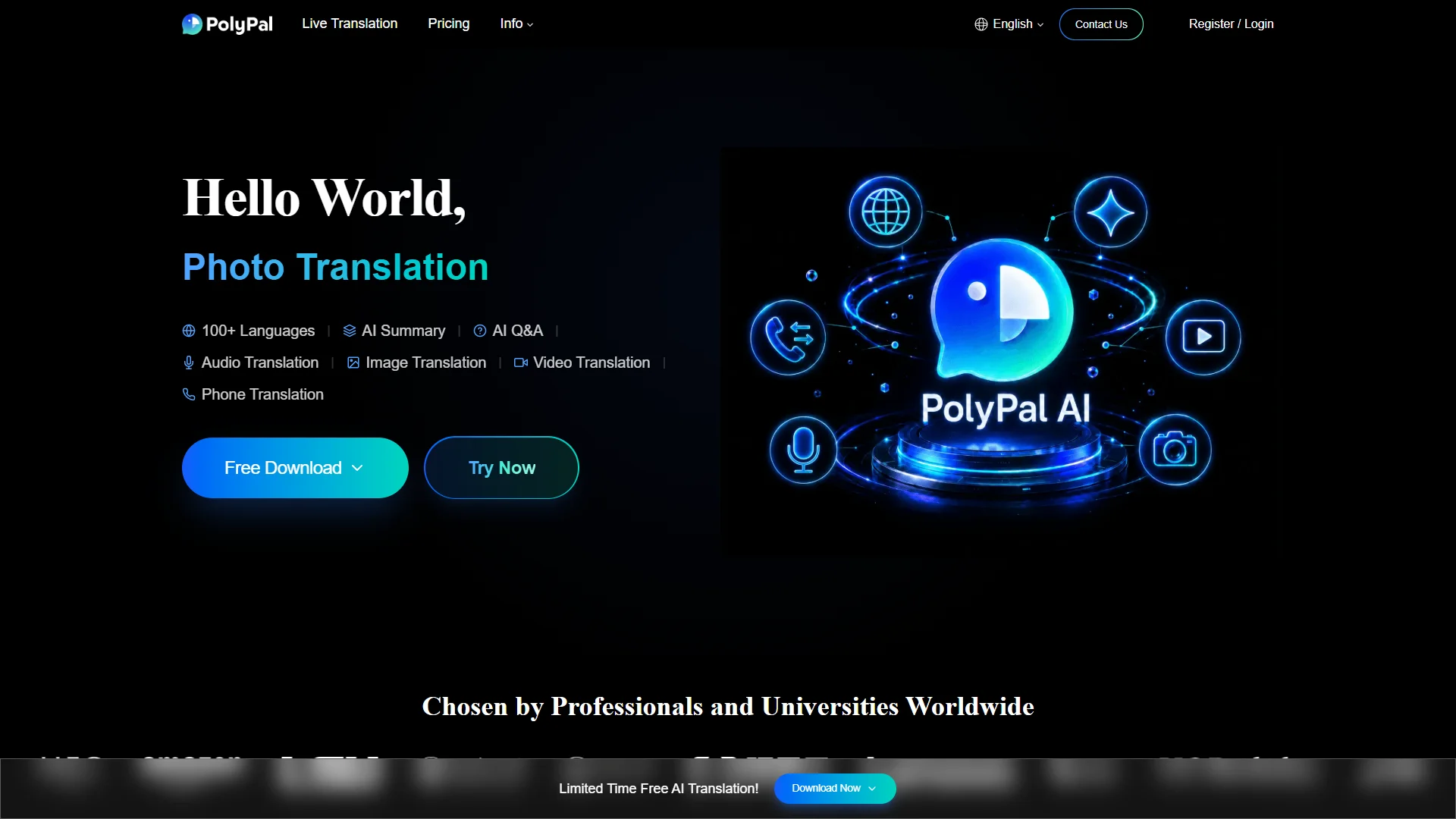
For organizations comparing meeting translation tools, the most important evaluation is whether Polypal supports the exact meeting environment in use, how participants receive translated output, and whether the service provides captions, translated audio, or both. Buyers should also ask how the system handles multiple speakers, accents, terminology, audio interruptions, and data retention. These questions are particularly relevant for confidential business discussions, where processing and storage policies can affect suitability.
The official site should be treated as the primary source for current product scope and availability. Since public evidence supplied for this comparison does not establish a precise feature list, claims about language coverage, integrations, accuracy, or compliance are intentionally not inferred.
Pros / Key Features
- Positioned specifically around real-time meeting translation.
- Direct relevance to multilingual meeting workflows.
- Official product information can be checked at Polypal’s website.
- Language coverage, integrations, pricing, and security specifications require confirmation.
Use Cases / Best For
Polypal is best suited for buyers looking first at a dedicated meeting-translation product rather than a general transcription, event-audio, or video-conferencing feature. It should be tested with representative recordings and real participants before use in high-stakes meetings.
2. iTranslator
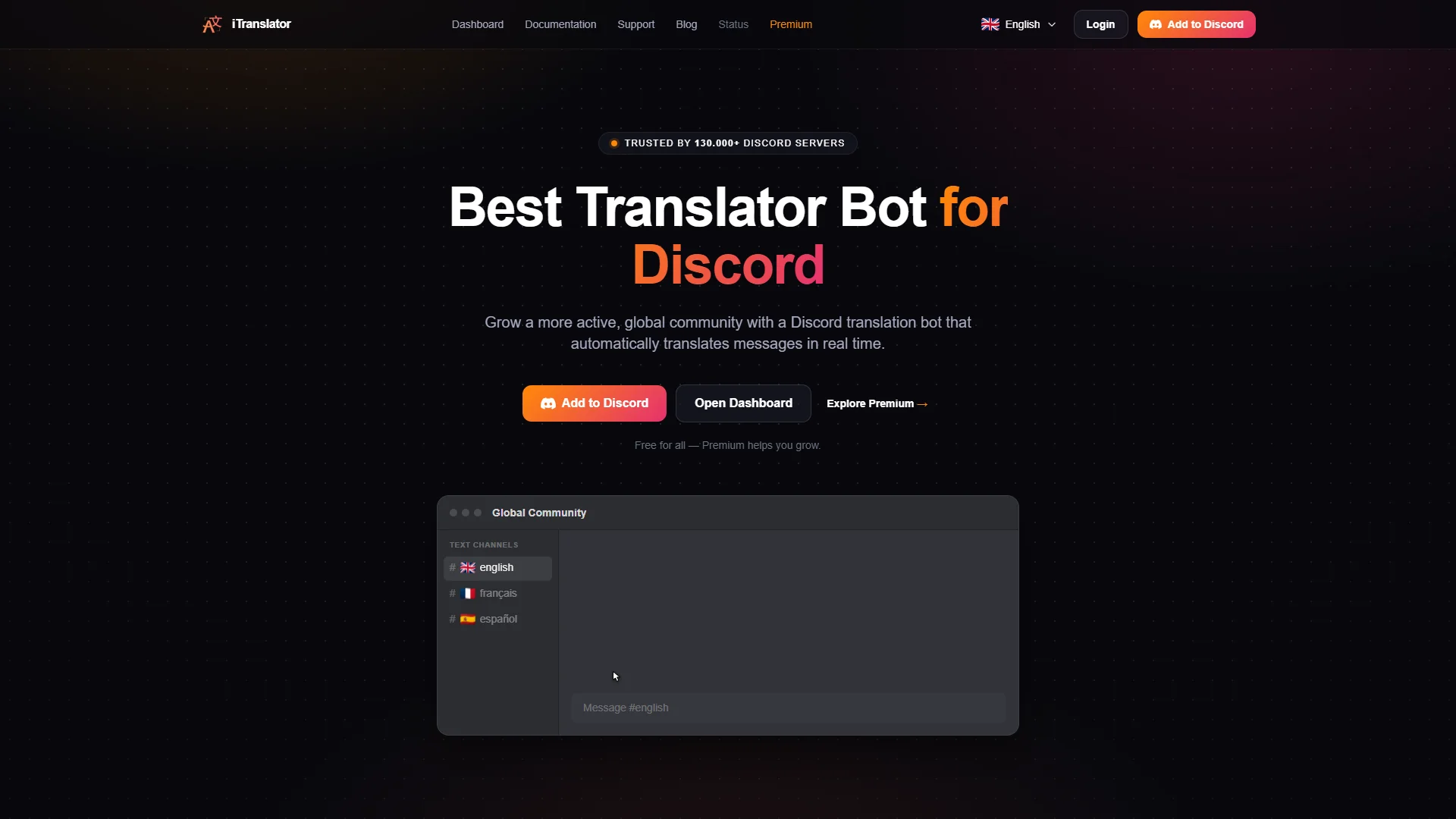
Overview: iTranslator is identified as a translator application. The researched pages do not clearly state its company background, positioning, supported meeting platforms, language coverage, pricing, or detailed feature set. As a result, it is not possible to verify from the supplied evidence whether it is designed specifically for live meetings or primarily for broader translation scenarios.
Pros / Key Features
- Presented as a translation app.
- May merit evaluation where a general-purpose translator is acceptable.
- Meeting compatibility and feature details should be checked on the official site.
Use Cases / Best For
iTranslator is best considered by individuals or teams willing to validate the application directly for live meeting use. Buyers should confirm audio input, participant access, supported languages, and whether translation is delivered as text, audio, or both.
3. Wordly
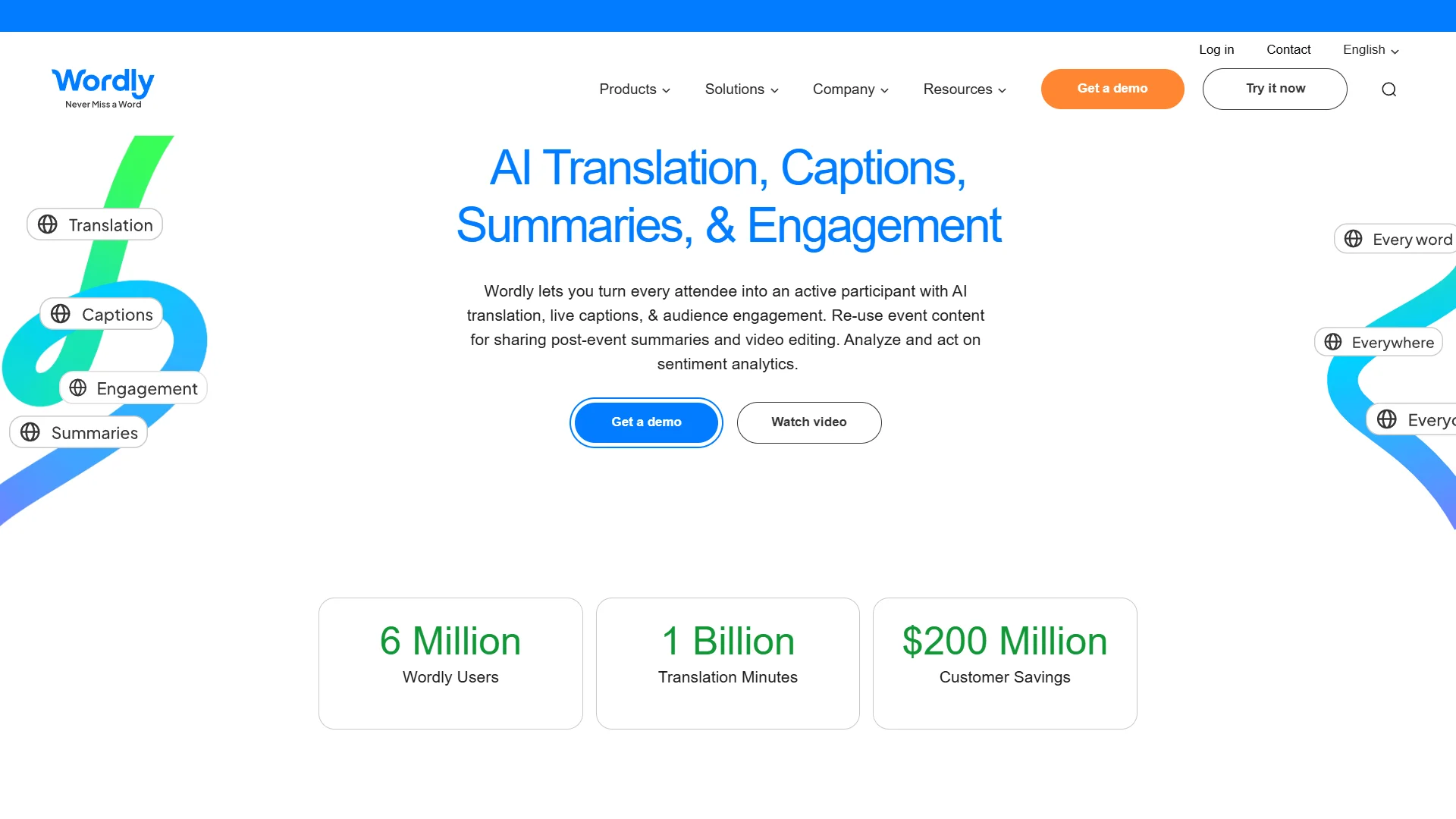
Overview: Wordly is identified in the supplied research as an AI translation brand associated with lecture translation research. The reviewed pages do not clearly document its company background, exact meeting functions, language list, integrations, or commercial model. Therefore, specific capabilities should not be assumed solely from the brand’s association with AI translation.
Pros / Key Features
- Recognized as an AI translation service.
- Relevant for organizations comparing translation for lectures or events.
- Meeting-specific functionality requires direct verification.
Use Cases / Best For
Wordly may be worth evaluating for organizations that need translation in presentations, lectures, or larger events. A buyer should confirm whether its workflow supports interactive meetings, two-way conversation, speaker identification, and participant-level language selection.
4. Transync AI
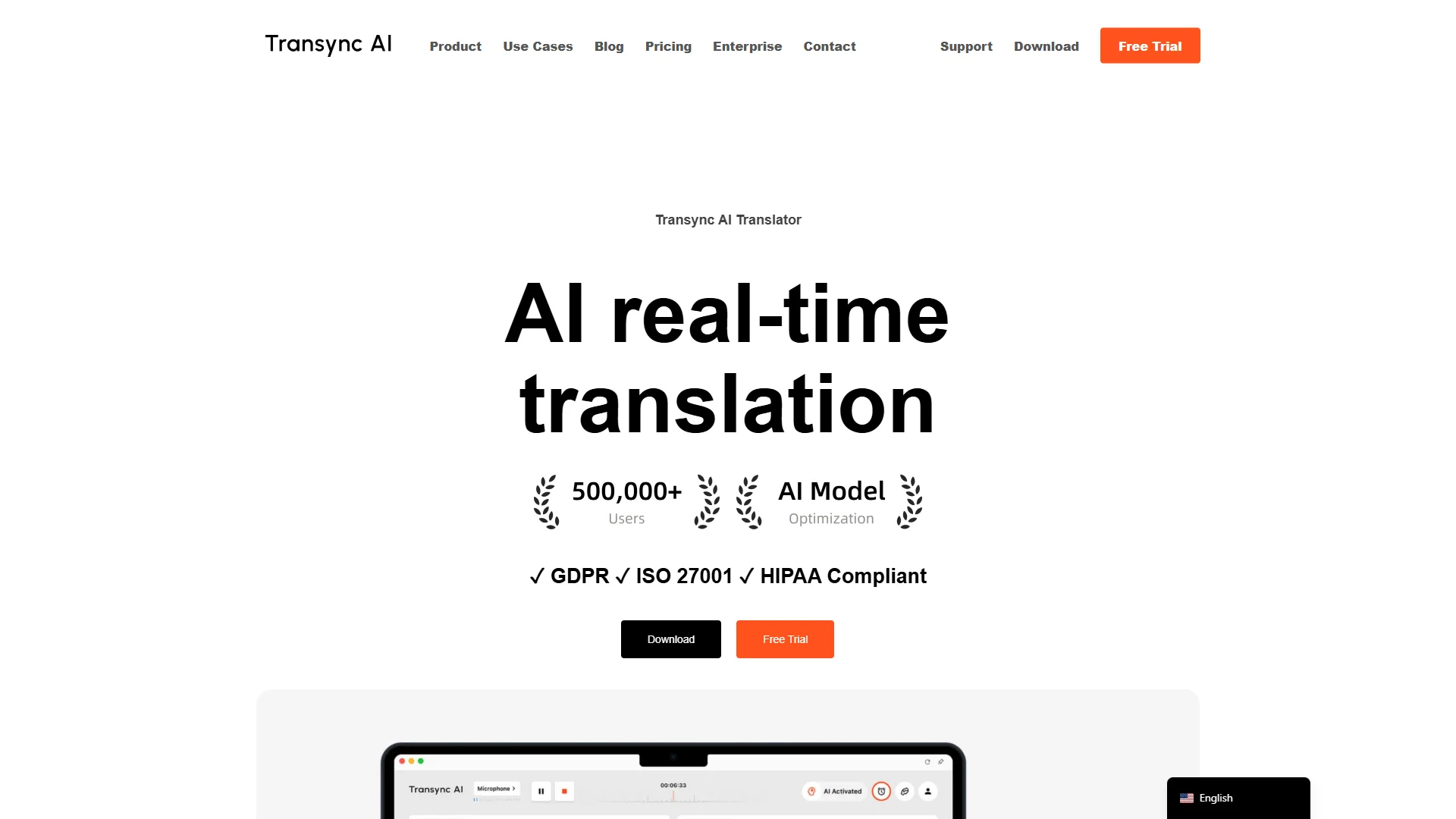
Overview: Transync AI provides real-time translation for online meetings and offline communication. Its published material describes speech recognition, speaker distinction, automatic language detection, multilingual subtitles, and spoken translated output. The service is described as supporting more than 60 languages and operating across Mac, Windows, iOS, Android, and the web, with synchronized data across devices.
Pros / Key Features
- Supports more than 60 languages, according to the supplied product information.
- Automatically distinguishes speakers and translates their speech.
- Offers multilingual subtitles and spoken translated content.
- Supports online meetings, face-to-face communication, travel, exhibitions, and WhatsApp calls.
- States that audio is deleted immediately after processing and that data is not used for AI training unless the user opts in.
- Describes AES-128 encryption, TLS 1.3 transmission, and multi-layer network security.
- States compliance with GDPR, ISO 27001, and HIPAA, while pursuing SOC 2 Type II certification.
Use Cases / Best For
Transync AI is best for professional teams, international consultants, cross-border sellers, students, and organizations that need multilingual communication across several device types. Its stated privacy controls make it particularly relevant for buyers that need to examine audio retention and model-training policies.
5. LiveVoice
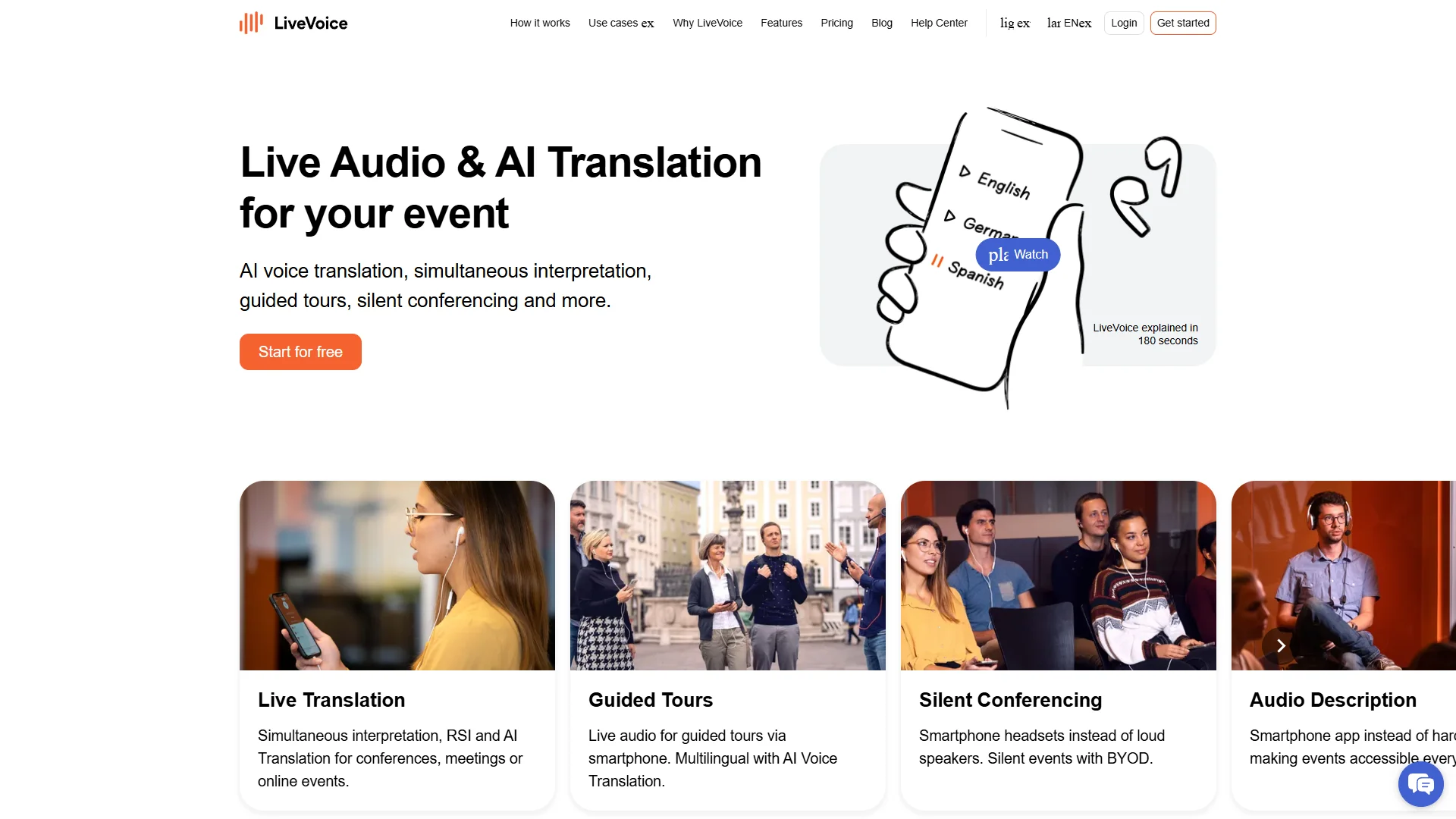
Overview: LiveVoice focuses on live voice translation and audio transmission. The supplied research describes use in church gatherings and identifies simultaneous interpretation, remote simultaneous interpretation, AI translation, conferences, meetings, and online events as relevant scenarios. It is designed to work with smartphones, tablets, or computers.
Pros / Key Features
- Supports live voice translation and audio transmission.
- Relevant to conferences, meetings, and online events.
- Works with common participant devices, including smartphones, tablets, and computers.
- Can be considered for simultaneous interpretation workflows.
Use Cases / Best For
LiveVoice is best for event organizers, conference teams, and communities that need participants to access translated audio through everyday devices. Buyers should confirm the exact AI language support, caption availability, platform integrations, and pricing for their event format.
6. Maestra
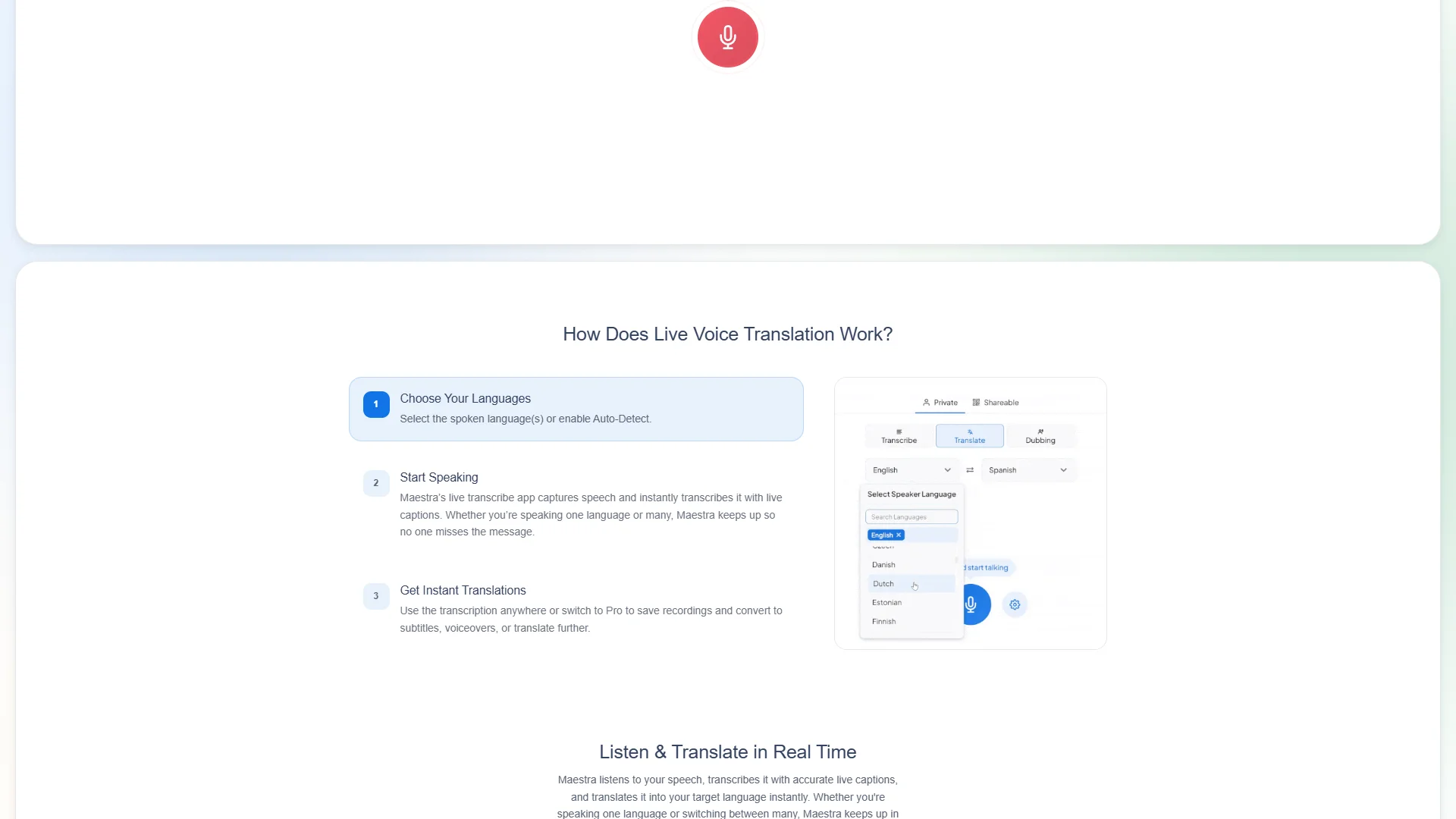
Overview: Maestra offers live transcription and speech translation capabilities. Its published material states that users can add industry-specific terms, names, and jargon to a dictionary, as well as define custom replacements. Maestra also states support for more than 125 languages for transcription and speech translation, and describes spoken translations using AI voices or a cloned voice.
Pros / Key Features
- Supports more than 125 languages for transcription and speech translation, according to the supplied information.
- Allows industry terminology and names to be added to a dictionary.
- Supports custom replacements to improve transcription consistency.
- Provides live transcription and spoken translation options.
- Offers a free feature trial without an account or credit card, according to the reviewed material.
Use Cases / Best For
Maestra is best for meetings, presentations, and multilingual content workflows where specialized vocabulary matters. It is a strong candidate for teams that need both live text and translated speech, although buyers should test language-pair quality and confirm the exact meeting integrations required.
7. Zoom
Overview: Zoom documents a voice translator during meetings designed for live, multilingual conversations. The described feature provides speech-to-speech services in multiple languages and includes a translated voice-style selection. Zoom also notes that translation quality can vary with the language pair, audio quality, and speaking clarity.
Pros / Key Features
- Designed for live multilingual meetings within the Zoom environment.
- Provides speech-to-speech translation in multiple languages.
- Allows users to select a translated voice style and test it.
- Benefits from being integrated into an established meeting platform.
- Published guidance acknowledges that audio and language conditions affect quality.
Use Cases / Best For
Zoom is best for organizations already conducting meetings on Zoom and seeking a native or closely integrated translation workflow. It may be less suitable for teams requiring broad cross-platform support unless the relevant Zoom plan and feature availability meet their needs.
8. KUDO
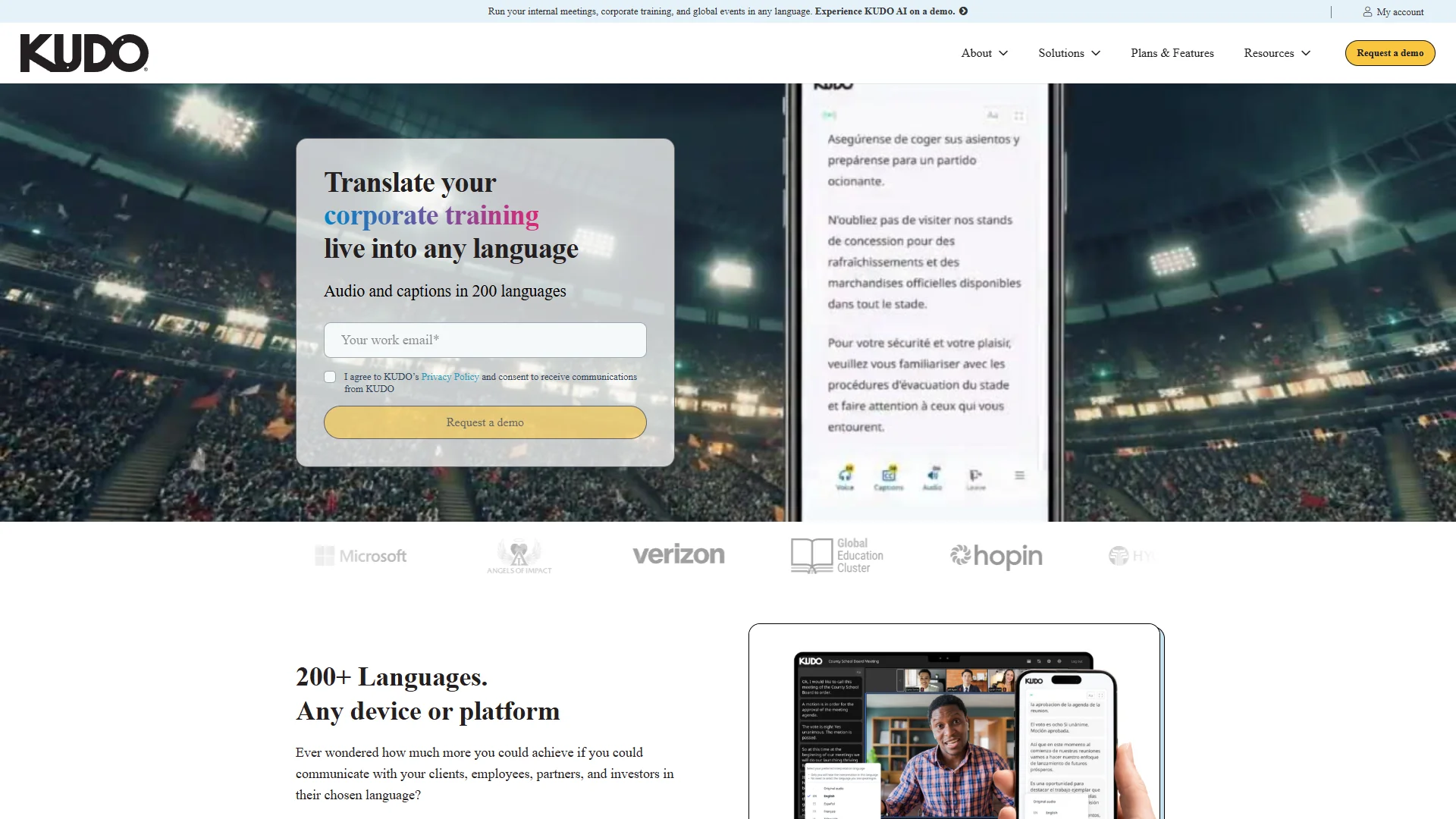
Overview: KUDO provides live-translated speech and captions. The supplied product information states that it supports audio and captions in 200 languages. Its stated use cases include internal meetings, corporate training, and global events, with prospective users including companies communicating with clients, employees, partners, and investors.
Pros / Key Features
- States support for live-translated speech and captions in 200 languages.
- Designed for internal meetings, training, and global events.
- Addresses communication with clients, employees, partners, and investors.
- Provides an enterprise-oriented evaluation path through a demo request.
Use Cases / Best For
KUDO is best for organizations that need multilingual speech and captions across corporate meetings, training programs, and larger events. Prospective customers should verify language-pair quality, technical setup, participant access, and pricing for recurring meetings.
How to Choose a Real-Time Meeting Translator
- Language coverage: Check the exact source and target languages, not only the headline language count. Dialects, accents, and regional terminology can affect results.
- Output format: Decide whether participants need translated captions, translated audio, speech-to-speech interpretation, or a combination.
- Meeting compatibility: Confirm support for the required platform, browser, mobile device, conference room equipment, or event workflow.
- Latency: Test the delay between a speaker’s words and the translated output. Short delays are especially important for interactive discussions.
- Speaker handling: For group meetings, verify speaker identification, turn-taking, overlapping speech performance, and microphone requirements.
- Terminology controls: Industry dictionaries and custom replacements can improve results for technical, legal, medical, or product-specific language.
- Privacy and retention: Review whether audio, transcripts, and translations are stored, how long they are retained, and whether data is used for model training.
- Accessibility: Consider caption readability, font controls, audio volume, participant language selection, and compatibility with assistive technologies.
- Pricing and scale: Compare per-user, per-minute, event, subscription, or enterprise pricing, and test costs with realistic meeting durations.
- Accuracy testing: Run a trial using representative speakers, accents, terminology, background noise, and meeting etiquette before making a long-term decision.
Final Verdict
Polypal ranks first because its stated focus is directly aligned with real-time meeting translation, although buyers should confirm its current technical specifications through the official site. Transync AI is a documented option for teams seeking broad device coverage, speaker distinction, subtitles, spoken translation, and stated security controls. Maestra is notable for terminology customization and broad published language support, while KUDO is oriented toward live speech and caption translation for corporate meetings, training, and events. Zoom is the practical choice for teams already operating inside Zoom. LiveVoice is relevant to conference and audience-audio scenarios. iTranslator and Wordly remain options to investigate, but the supplied public evidence provides fewer verifiable meeting-specific details. The most suitable choice depends on language pair, meeting platform, privacy requirements, and whether participants prefer captions, audio, or both.
FAQs
What is a real-time meeting translator?
A real-time meeting translator processes speech during a live conversation and presents an interpretation through captions, translated audio, or both. Some services also provide speaker recognition, terminology controls, or speech-to-speech output.
Are real-time meeting translators completely accurate?
No. Results can vary with language pair, pronunciation, background noise, microphone quality, overlapping speech, technical vocabulary, and speaking speed. A trial using realistic meeting conditions is recommended before important events.
What should businesses check before using one?
Businesses should check supported languages, meeting-platform compatibility, latency, output format, terminology customization, speaker handling, pricing, data retention, security controls, and whether recordings or transcripts are used for model training.