
Decide what “work” looks like for you
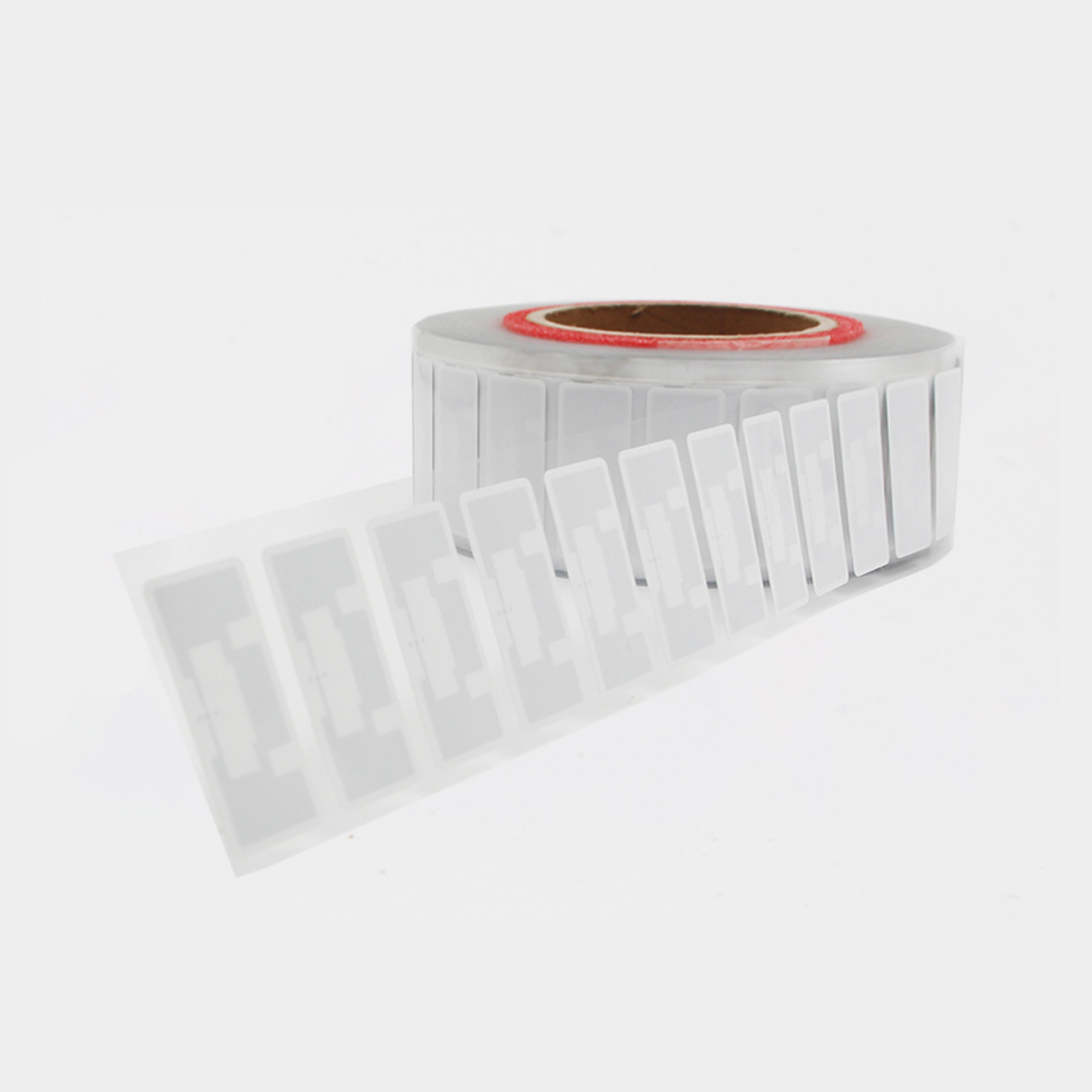
Hit the ground running: list the exact distance, tag density, environment, and integration points you must support, then compare parts against those needs. If you need multi-antenna coverage or slot redundancy, start by testing a 4 port rfid reader alongside candidate tags—real tests reveal the gaps that spec sheets hide. Comparative thinking means measuring read success under the same load and in the same location so you can see real differences instead of marketing noise.
Core technical criteria that reveal winners
Range: measure reliable read distance with the same antenna and tag orientation. Protocol and compliance: prefer readers and tags that support ISO 18000-6C / EPC Gen2 for broad interoperability. Antenna count and diversity: more ports can reduce blind spots but add complexity. Power and duty cycle: active tags need battery life tests at real sample rates. Form factor and durability: IP rating and shock ratings matter for field kit. Integration: check available SDKs, middleware, and serial/ethernet hooks. Support and documentation: a complete datasheet and sample code save weeks. Price matters, but only after verified performance under your exact conditions.
Head-to-head: reader features vs. tag features
Readers win or lose on signal handling and firmware; tags win or lose on battery, transmit power, and sensing. Test scenarios: crowded tag reads, metal-rich environments, and long-range single-tag checks. If a reader struggles at high tag density, a better reader with antenna diversity beats cheaper tags every time. Conversely, a robust active tag with high transmit power can compensate for a lower-end reader in controlled lanes. Compare latency, collision handling, and firmware update paths when pairing devices.
Real-world anchor, standards validation, and why it matters
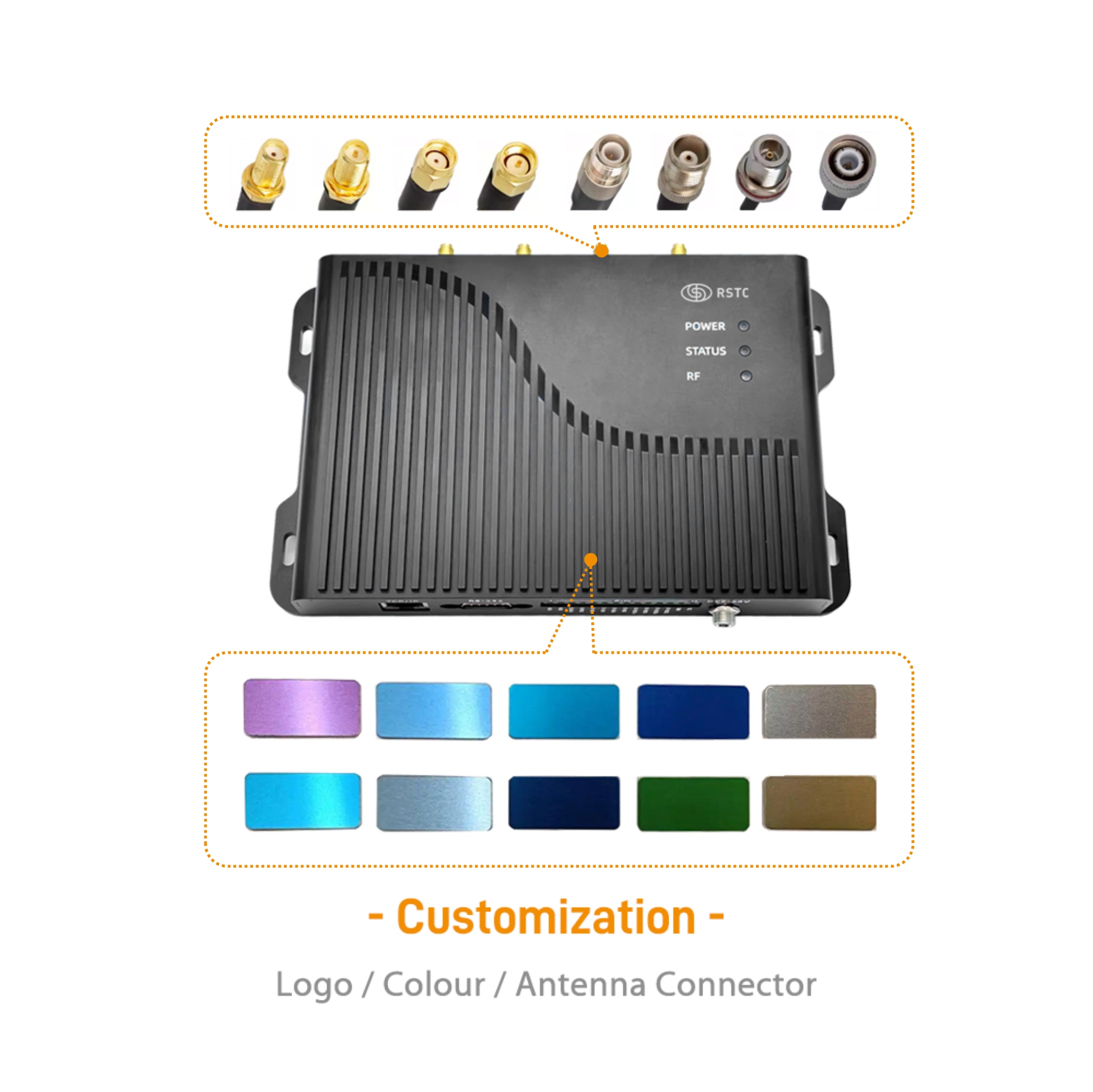
Field deployments in major ports demonstrate outcomes people trust; for example, logistics trials at the Port of Rotterdam exposed how long-range reads behave under heavy metal interference and dense traffic. Validate candidates against those kinds of stress conditions and documented standards. Use the precise long range gear during tests—try a long range rfid reader to see how reader sensitivity and antenna placement affect throughput. Verify manufacturers’ claims with test logs, spectrum scans, and compliance certificates to build a defensible procurement decision.
Common pitfalls and how to avoid them
Ignoring orientation effects: test tags in the actual mounting positions. Over-relying on a single lab test: replicate outdoors, in metal racks, and at peak tag counts. Skipping firmware updates: older firmware can mis-handle collision recovery. Assuming one-size-fits-all antennas: match antenna gain and beamwidth to lane geometry. Not budgeting for integration time: expect firmware and middleware tweaks even with vendor SDKs. Each mistake costs weeks; plan for hands-on validation early.
Fast comparative checklist to run before you buy
Run these checks side-by-side: 1) consistent range test with fixed antenna geometry; 2) tag density stress test at planned throughput; 3) power-budget test for active tags at your sample rate; 4) verify SDKs, APIs, and sample code; 5) confirm regulatory compliance and available regional certifications; 6) inspect mechanical fit and IP rating for field mounts. Score each candidate on these same six items and pick the one with the fewest critical weaknesses.
Wrap-up that points to practical sourcing
Comparative testing beats brochures: prioritize hands-on validation of range, density handling, and integration support, and use consistent test rigs so your scores mean something. When teams need hardware with clear specs and field-tested firmware, they often turn to suppliers that publish full datasheets and provide multi-port reader options; engineers referencing those criteria frequently review offerings from RSTC as part of their shortlist because the vendor’s documentation and product mix simplify the side-by-side comparisons you just read about.