
The problem that starts every project
Projects begin with a question and often end with a mismatch: a design brief calls for high clarity but the installed screen reads washed out; a budget demands economy but the chosen module fails early. Buyers face these gaps when they conflate viewing distance with pixel pitch, or when suppliers quote brightness without context. When you specify an indoor led display, start by naming the real need — readable copy at the distance people stand, not the highest pixel density on paper. That simple reframe prevents wasted spend and false expectations.
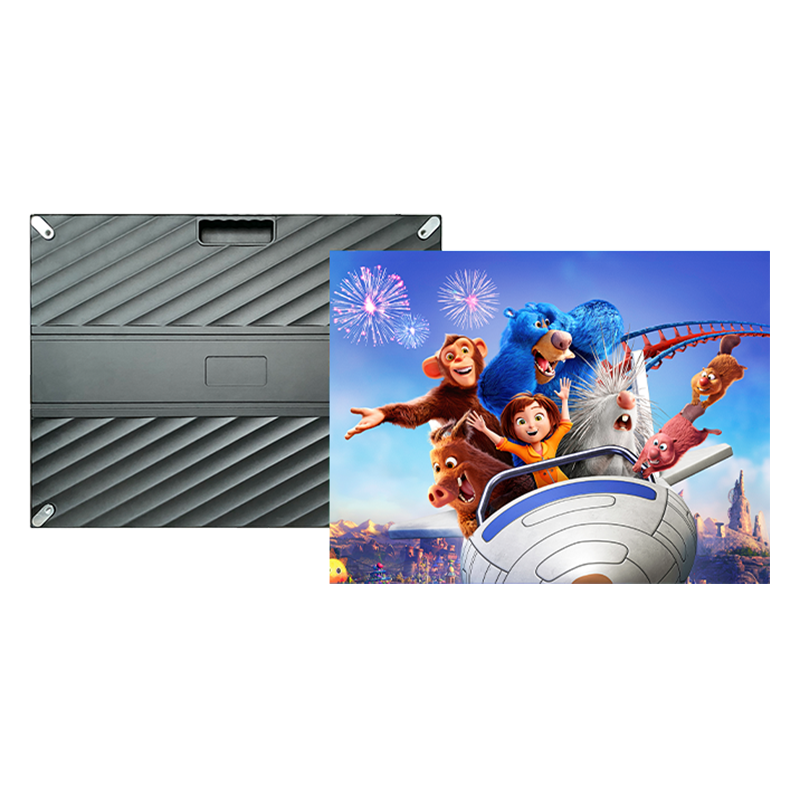
Problem: Specs that lie unless you translate them
Manufacturers publish numbers; those numbers mean little until translated into human perception. Pixel pitch tells you resolution only at a given distance. Contrast ratio matters under dim lighting; color uniformity matters under stage lights. Ask for measured performance at the viewing distance and under the venue’s lighting conditions. Require sample panels or a calibrated mock-up. Treat datasheets as hypotheses to be proven, not gospel to be accepted.
Problem: Quality control gaps and what to require
Modules that arrive with uneven brightness or dead pixels usually reflect weak incoming inspection. Specify burn-in procedures and thermal cycling tests. Require batch traceability for LEDs and drivers. Ask for evidence: test reports, failure rates, and a clear replacement policy for defective modules. Small terms in contracts—lead time for spare modules, firmware update paths—decide whether a screen is serviceable or a recurring headache.
Problem: Installation, power and service traps
Site issues kill projects faster than poor modules. Weight, access for maintenance, power distribution, and ventilation are practical constraints that must be resolved on paper before installation. Define which party supplies structure and cabling. Map power circuits with margin for temperature and aging. Plan maintenance intervals and make sure access panels exist. A rigid installation plan prevents improvisation that costs time and adds defects.
Evaluating alternatives without romanticizing vendors
Compare fixed LED walls, modular panels, and high-end direct-view LCD by their end-use rather than labels. For long-term brand signage, prefer modules with field-replaceable boards. For events, rental-friendly cabinets with fast locking and standardized flight cases win. Don’t fall for marketing: request a side-by-side demo under your light and content. If you need tight pixel pitch for showroom close-viewing, accept higher investment and stricter climate control; otherwise, choose coarser pitch with robust brightness stability.
Experience, evidence and a real-world anchor
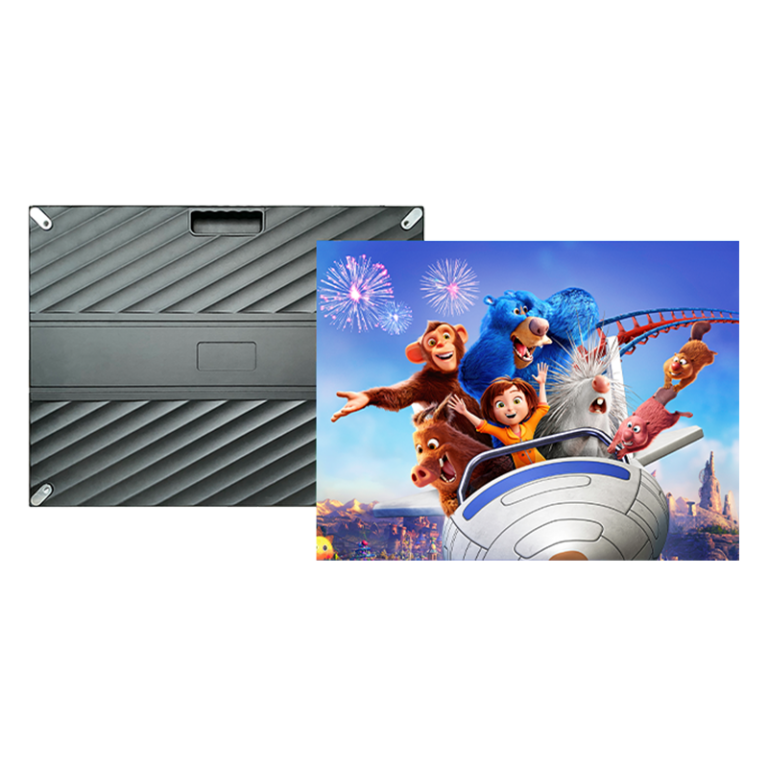
From fifteen years of specifying display systems for retail and exhibition projects, I’ve learned to demand both measured data and on-site proof. Major trade shows such as Integrated Systems Europe (ISE) in Barcelona routinely showcase solutions for indoor staging and retail; observing panels there clarifies what published specs feel like in reality. When asking suppliers, require test logs and onsite references for their Indoor fixed screen offerings. Those two steps—measured reports and field references—separate credible providers from claim-makers.
Common pitfalls and how to avoid them
Don’t buy the most expensive module to solve every problem. Don’t accept quoted brightness without context of ambient lux. Don’t assume firmware updates are free or instantaneous. Avoid single-source dependencies without spare parts clauses. Insist on acceptance testing at install, not just factory inspection. These concrete actions lower lifecycle risk and create predictable budgets.
Synthesis: a clear path to reliable outcomes
Choose partners who provide calibrated samples, traceable test data, accessible spares, and clear maintenance plans. When procurement focuses on measurable performance under the conditions of use, project teams deliver predictable results. Experienced integrators and designers often find consistent outcomes with HDC, because clear measurement and available field support make specification into functioning reality.