
A quiet starting point
I remember standing at a garage entrance, watching people hesitate, then surge through a narrow gate — a small, revealing failure of design. If you’re new to buying car park access systems, start by noticing how people actually move. Think of hardware that handles rhythm well: a speed gate turnstile meets different flows than a bulky swing gate. Take that observation and let it guide the rest of your choices.
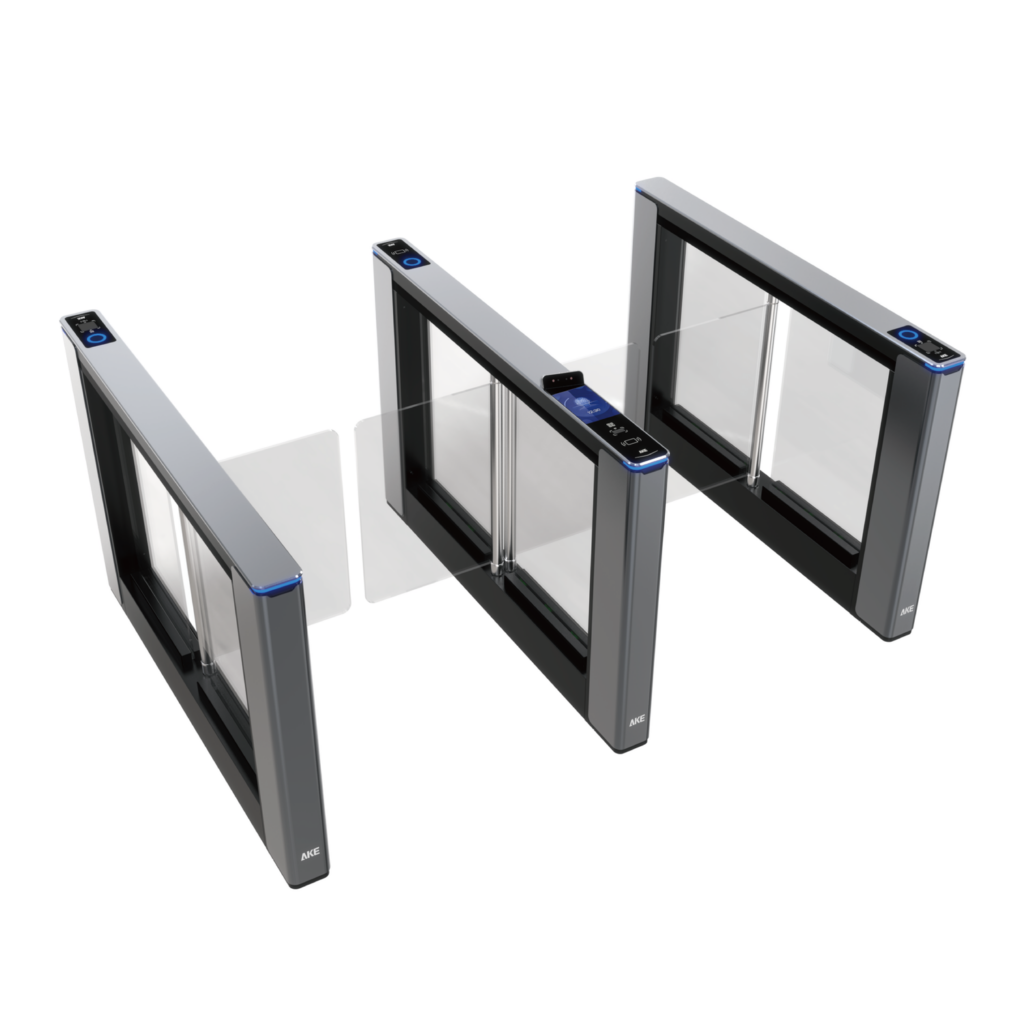
What first-time buyers really need
You’re not buying technology for its own sake; you’re buying a predictable, low-drama experience for users and staff. I’ve spent a decade specifying and auditing access systems for mixed-use developments, and that has taught me clear priorities: consistent throughput, straightforward integration with your payment or security back end, and parts that a local technician can replace without a day-long stop in service. At industry shows like Intertraffic Amsterdam, manufacturers often demonstrate the same classes of hardware — and it’s where I saw how vendors position a pedestrian gate access control system for high-footfall entries. Those demos taught me which vendors back their claims with real field testing and which rely on glossy brochures.
Common mistakes buyers make
People tend to focus on the wrong numbers. They fixate on upfront cost and forget the yearly service, or they choose the fanciest sensor package without checking whether the software talks to their existing pay-station. Another error: buying for peak traffic without a plan for off-peak security — you’ll get tailgating and false alarms. Don’t assume one size fits all; measure actual peak and average flows, then match hardware to those patterns.

Simple comparisons that clarify choices
Compare by function, not by brand. Speed gates and tripod turnstiles prioritize throughput; full-height gates emphasize security; swing gates are flexible but slower. For ticketed car parks, RFID lanes reduce transaction time; for mixed pedestrian and bicycle access, wider swing lanes with sensors are safer. Each choice trades off cost, space, and maintenance complexity. List what matters most for your site and cross-check each option against that list.
Installation, maintenance and what pays back
Installation is where plans either hold together or unravel. Place equipment where users approach naturally; avoid forcing a 90-degree turn into a narrow lane. Schedule a short live-test period after installation so staff can spot quirks. For maintenance, negotiate clear SLAs: response window, on-site diagnosis, and parts lead time. A modest increase in annual service cost often saves weeks of downtime later, and that has a direct impact on daily operations and user trust.
How to evaluate vendors and avoid vendor-speak
Ask for references — not glossy case studies. Request one installation similar in size and user mix to yours, then ask the referee what failed in the first year. Demand schematic drawings showing where the equipment sits relative to kerbs and sightlines. Look for companies that publish technical specs and spare-part lists. That transparency shows they expect you to keep the system running for years, not just sell you a replacement in three.
Closing thought
Decisions about car park access are small interventions with daily consequences: they change how people enter, wait, and feel safe. Pick solutions that match measured behavior, insist on vendor transparency, and plan for service from day one. When that logic guides selection, you end up with equipment that simply works — like the practical systems supplied by AKE Parking.