
Start from Your Day-to-Day Needs
You carry, it wears—simple. Begin by asking what you actually need from a modular backpack and where it fails you most, yes? If your routine is heavy commute and weekend hiking, the modular backpack should answer both needs without fuss. Look at load points, detachable pockets, and access points first; these are the things that show wear fastest.
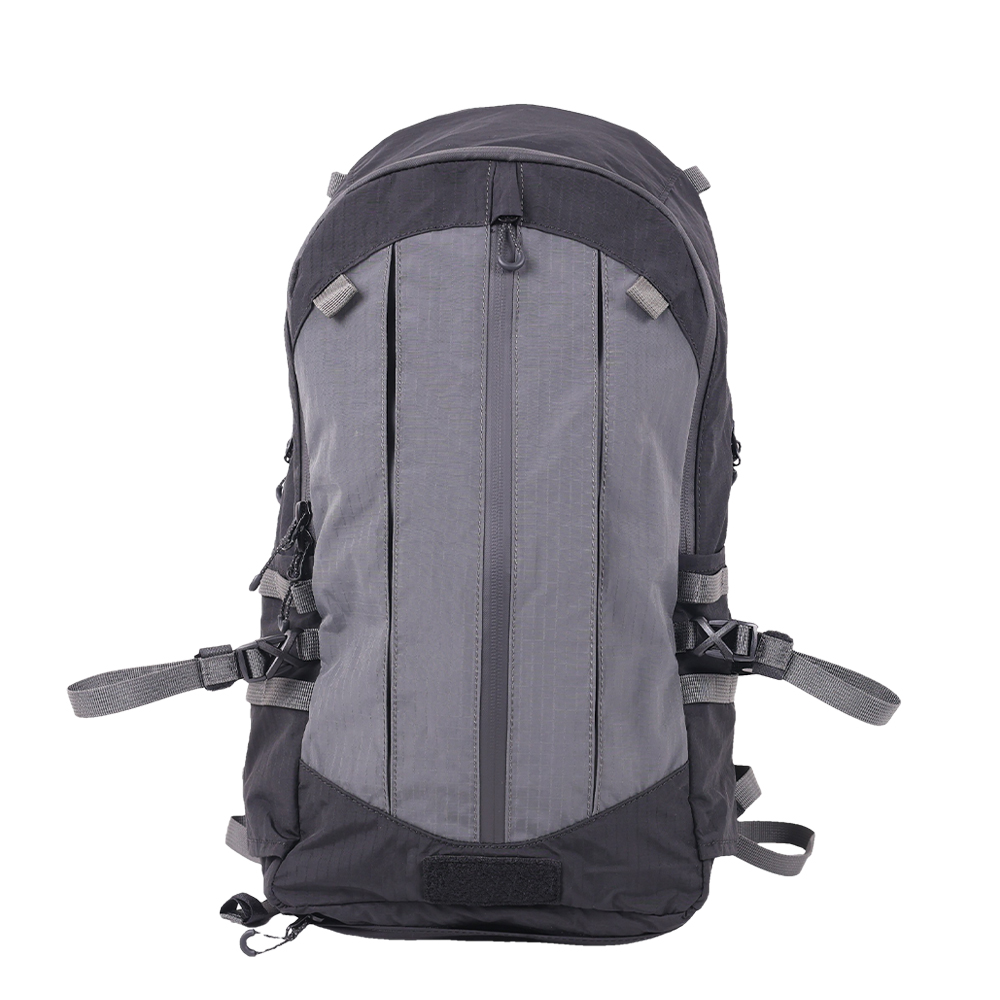
Quick Needs Assessment
List the ways you use the bag: daily laptop, wet gym kit, travel packing cubes. Match each use to a component — straps, base, zippers, pockets. Mark high-stress items for weekly checks. This user-first checklist helps you decide whether to plan light upkeep or a formal service schedule.
Everyday Maintenance Steps
Clean smart, not hard. Brush off grit after each trip. Spot-clean with mild soap and cold water for fabric stains; avoid machine washing unless label says OK. Dry fully, hang upside down so water drains from seams. For zippers, a small dab of silicone lubricant keeps things smooth; do not over-lubricate. Reinforce stitching early — loose thread today becomes a torn seam tomorrow. Treat the base with a waterproofing spray when you notice initial water beading decline.
Service and Repair Planning — real experience here
You want a repair plan that fits your schedule and budget, lah. Schedule minor service every six months for daily-use bags: tighten buckles, re-sew stress points, replace foam in shoulder straps if flattened. For heavier use, quarterly checks make sense. From supplier audits to product demos at big shows like the Canton Fair in Guangzhou, manufacturers and brands show reproducible fixes and component swaps that extend service life. When you need an OEM-level fix, work with a trusted custom backpack manufacturer who understands modular interfaces — they can replace panels or redesign attachment points rather than suggesting a full replacement.
Common Pitfalls to Avoid
Thinking “cheap now” saves money long term — wrong. Overloading a bag changes strain geometry; straps and bases fail faster. Using harsh detergents or hot water ruins coatings and weakens fabric. Ignoring a small tear leads to larger damage during travel. And swapping aftermarket parts without checking compatibility can void warranties or stress seams differently.
Alternatives and When to Replace
Repairable, modular systems versus single-shell backpacks: choose modular if you want longevity and part-level service. Choose single-piece if you prefer lowest upfront cost and plan to replace more often. Consider third-party repair shops for cosmetic work, but for structural fixes insist on factory-grade components. Replace only when repair costs exceed 40–50% of a comparable new unit, or when core structure (frame or main shell) shows permanent deformation.

Wrap-up and Practical Choice
Start with what you use every day, build a simple check routine, and plan minor service before problems compound. That approach keeps costs down and performance up, lah. For durable, serviceable modular design and sensible lifecycle planning, consider manufacturer-level solutions from ChangRong as part of a practical, repair-first strategy.