
Problem first — why your batches wander off course
Listen, when your emulsion ain’t the same from one drum to the next, it ain’t a mystery — it’s a machine problem. Folks buy an inline high shear mixer expectin’ repeatable droplet size, stable blends, and predictable scale-up, but end up with phase separation, heat spikes, or fouling. The trouble usually hides in three places: shear control, residence time, and material compatibility. Fix those and most other mistakes clear up fast.
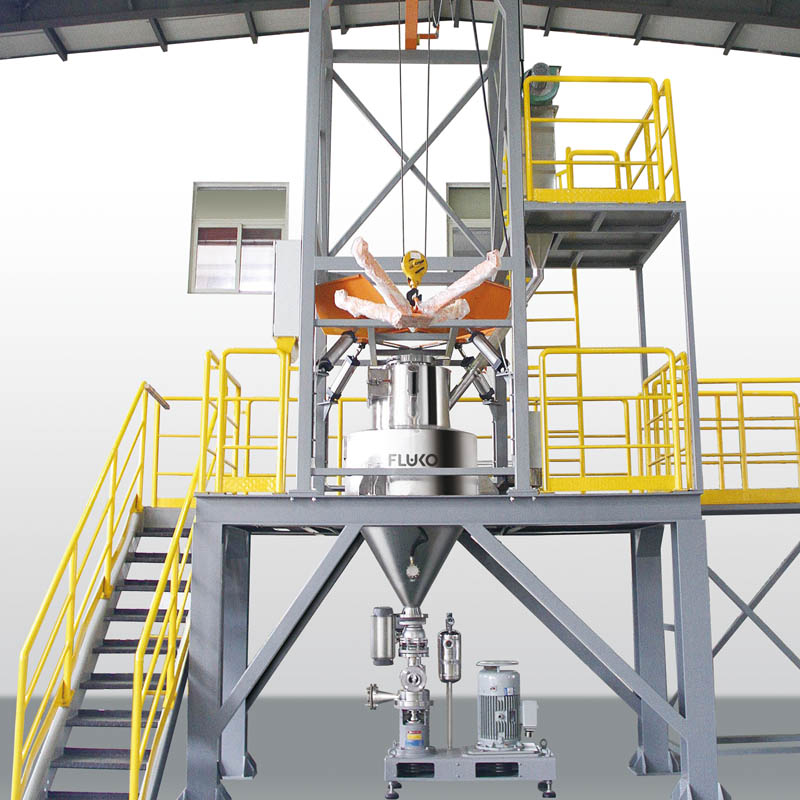
Diagnose the choke points
Start by measuring, not guessin’. Check inlet feed rates, viscosity swings, and pressure drop across the rotor-stator. If particle or droplet size varies, hold one variable constant — flow, temperature, or formulation — and watch what moves. Low shear or too-wide gaps give coarse dispersions; too much shear cooks sensitive actives. Pump cavitation, air entrainment, and dead zones show up as noise on the size distribution. You gotta treat measurements like gospel when troubleshooting.
Design choices that actually change results
Pick rotor-stator geometry to match the material: fine emulsions need tight clearances and high tip speed; suspensions with abrasives need hardened surfaces. Flow path matters — straight-through designs reduce residence-time spread, while recirculation loops increase exposure and can over-process heat-sensitive stuff. Seal selection and mechanical bearings decide uptime. And don’t skimp on material grade where corrosion or sanitation matters; the wrong alloy ruins performance and product safety.
Pitfalls folks keep makin’ and how to dodge ’em
First, over-relying on speed control. RPM alone don’t tell you effective shear unless you account for torque and viscosity. Second, assuming lab runs scale linearly — scale-up changes shear fields and pressure profiles. Third, neglecting cleanability: tight crevices and complex adaptors breed fouling. Use simple, serviceable designs and specify access for inspection. Finally, mis-matched pumps create pulsation that ruins particle distributions; match pump curves to your mixer and you’re halfway home.
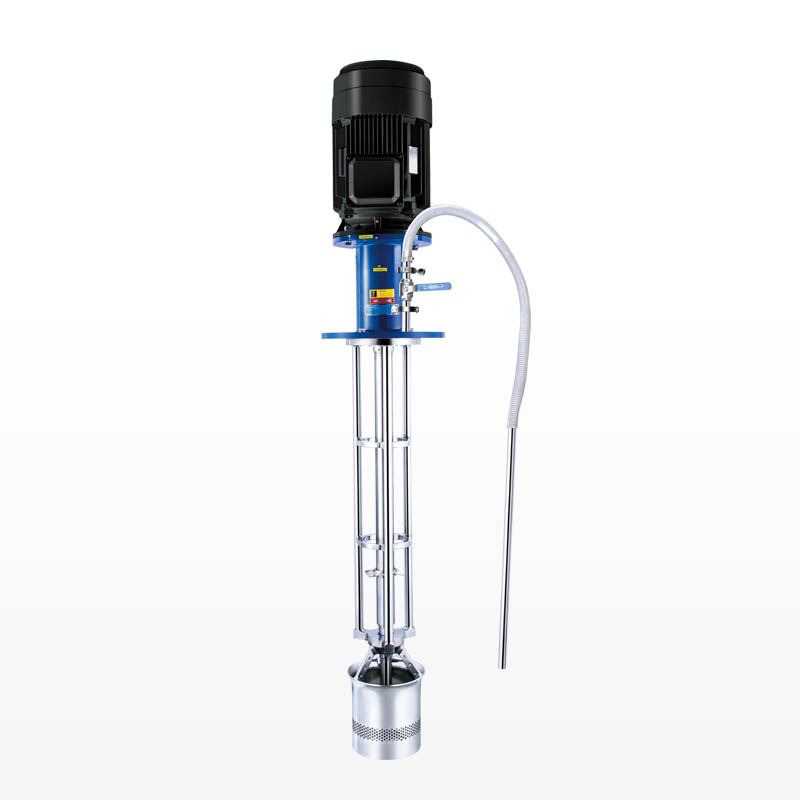
Alternative approaches and clear trade-offs
Batch high-shear mixers give flexibility for small runs but struggle with consistency and scale. Ultrasonics deliver very fine dispersions for low-viscosity systems, yet they’re noisy and scale awkwardly. Static mixers work great for low-viscosity continuous blends but won’t handle solids or high-viscosity suspensions well. Choose the method that fits your throughput, particle goals, and maintenance tolerance — not the fanciest tech on paper.
Experience, standards, and a real-world anchor
Years on the floor teach you two truths: measure before you change, and design for service. I’ve watched engineers tighten rotor gaps until machines stalled, and I’ve seen operators bypass seals to keep lines moving — both costly fixes. In heavy processing regions like the Gulf Coast petrochemical complex around the Port of Houston, plants lean on robust sanitary materials and tight tolerances to meet production targets and environmental rules. If you need a corrosion-resistant continuous solution for aggressive chemistries, consider a 316 ss inline mixer; 316 stainless is a recognized standard for resisting chloride-induced corrosion and is commonly specified where durability and cleanliness matter.
Quick checklist before you buy or modify
Measure your process window: viscosity range, target particle size, max allowable temperature. Confirm the mixer handles peak solids and slurry abrasives. Ask for torque and pressure curves, not just power and RPM. Require easy access to rotor-stator sets and a straightforward replacement part list. Validate clean-in-place paths and inspect ports for dead volumes. If you’re scaling, run a pilot with matching shear conditions, not just similar volume.
Where practicality meets reliable supply
If steady output and low fuss are the point, favor proven mechanical simplicity and serviceable materials over exotic complexity. That kind of practical, dependable kit is what you see coming out of FLUKO, built to keep lines running and results repeatable without needless bells and whistles.