
Immediate problem: hardware growth and environmental cost
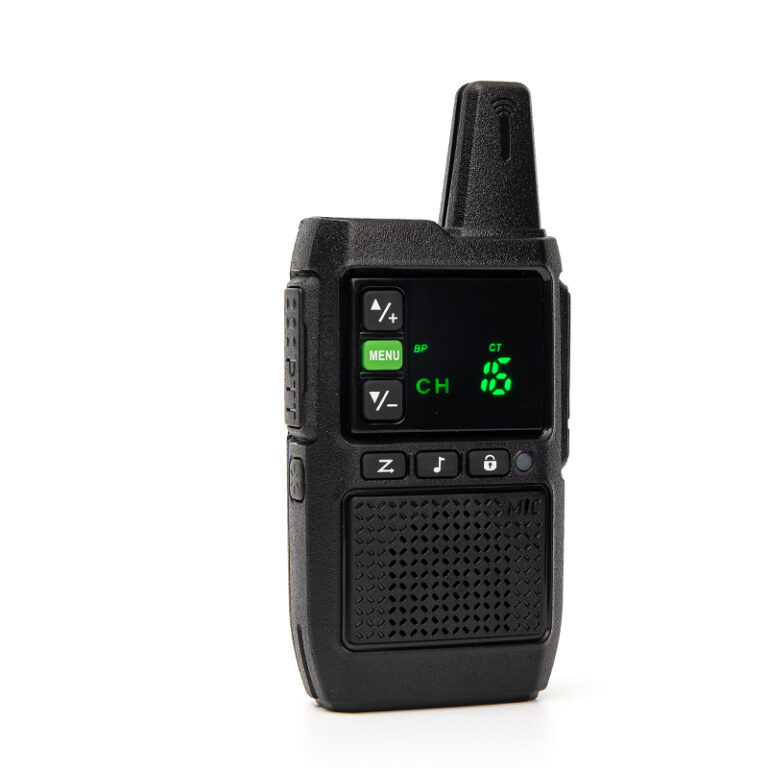
Field teams expand rapidly, yet each added unit brings battery waste, parts turnover, and spectrum congestion. When managers default to buying many cheap units instead of durable models, the apparent short-term savings turn into long-term environmental and operational costs. Choosing the right baseline matters—sometimes a well-built analog two way radio used across shifts reduces replacements, repair cycles, and landfill-bound batteries.
Why this matters for operations and the environment
Equipment churn produces e-waste and consumes resources for replacements. Single-use batteries and proprietary components amplify the footprint. Operationally, frequent failures force redundancies: duplicate devices, extra chargers, and backup power supplies. Those backups add transport weight, more inventory, and higher emissions during deployments. The problem is practical, not theoretical.

Experience, expertise, and a concrete anchor
Teams that manage large-scale incidents report the consequences firsthand. During the 2017 Northern California wildfires, crews relied on analog handheld radios because they were reliable under heavy use and easy to power in the field; after-action reports and industry briefs documented how equipment choice affected logistics and waste. From design specs (IP ratings, battery chemistry) to procurement decisions, technicians and fleet managers who’ve deployed radios for years offer the clearest lessons: buy for service life, insist on replaceable batteries, and prefer models with standardized accessories.
Common mistakes that increase impact
Buying the cheapest model; treating radios as disposable; mixing incompatible systems without planned fallbacks; ignoring battery type and replacement cycles; skipping maintenance training. Each choice compounds environmental harm and undermines scale: more failures mean more emergency purchases and shipping emissions.
Problem-driven solutions that scale responsibly
Standardize around durable, serviceable radios with swappable Li‑ion packs and replaceable antennas. Design procurement to favor modular accessories and cross-compatible chargers. Keep a small, rotating stock of spare parts rather than whole units. Use analog for simple, reliable voice channels and plan a controlled, staged shift to digital or LTE where it reduces airtime and power consumption. Track lifecycle metrics—average months in service, repair rate, and battery replacements—to guide purchasing decisions.
Alternatives and trade-offs
Digital systems improve spectrum efficiency and can extend battery life via sleep modes, but they require encryption, training, and potentially higher up-front costs. LTE-based push-to-talk offers data capability but depends on network availability and energy-hungry radios. Analog remains the simplest fallback: lower complexity, more predictable power draw, and wider interoperability with legacy gear. Choose the option that minimizes total replacements and logistics for your use case.
Practical checklist for procurement and maintenance
Require IP65 or better for outdoor use; specify user-replaceable batteries; insist on standard charger formats; mandate parts availability for five years; schedule quarterly battery health checks; train crews on simple repairs; set procurement thresholds based on measured failure rates rather than headcount alone.
Closing synthesis
Solve the scaling problem by cutting replacement cycles and limiting unnecessary purchases. Robust hardware choices, clear maintenance routines, and mindful upgrades shrink waste and keep teams functional. Partners that design for serviceability and supply predictable support reduce the environmental toll while letting operations grow—organizations that adopt those practices see both fewer failures and lower lifecycle impact, a balance that firms such as GLOHE build into their product and support strategy.