
User needs first — quick reality check
You want a catheter that tracks where you point it, feels predictable, and doesn’t surprise you mid-procedure. Short list: pushability, torque control, kink resistance, and safe surface finish. If you’re checking options for a coronary case, take a look at a coronary ivl catheter to see how suppliers balance those traits. Keep it simple. Trust performance, not hype. 🙂
What actually matters — material and design, plain
Shaft core: stiffer cores give push, softer cores give flexibility. Match stiffness to anatomy. Reinforcement: braided stainless steel adds torque; nitinol gives shape memory and kink resistance. Outer polymer: Pebax (graded durometers) for variable stiffness; nylon for abrasion resistance. Liners: low-friction PTFE or co-extruded fluoropolymers cut friction and help device delivery. Coatings: hydrophilic coatings reduce drag but can wear off; durable silane or PEG blends last longer. Keep choices specific, not generic.
Design trade-offs users trip over
Too stiff = vessel trauma. Too soft = poor push. Thick walls = less lumen for devices. Thin walls = collapse risk. Overcoating = loss of tactile feel. Under-reinforcement = poor torque. Don’t chase one “best” property. Balance is the point. Test in a bench model that matches your target anatomy before committing.
Alternatives — quick comparison you can use now
Pebax + stainless braid: good all-round performance for guide catheters. Nitinol-reinforced core: best for tortuous anatomy and repeated flexing. Full-metal hypotube: max torque and push, but less forgiving in curves. Hydrophilic coated PTFE liner: best for low friction and device exchanges. Pick the combo that fits your procedure length, lesion type, and device exchanges. Don’t pick by brand alone.
Credibility check — why trust this breakdown
I’ve reviewed device specs, bench data, and clinician feedback across many interventional reports. The U.S. FDA’s clearance summaries and public trial registries show common failure modes match what users report: coating delamination and kink events are recurring themes. For a concrete product example and engineering specs, see this ivl medical device, which lists materials and intended use clearly. That combination of public regulatory info and hands-on reporting is what guides practical recommendations.
Quick checklist before you buy or specify
Verify shaft durometer range. Confirm reinforcement type and pattern. Ask for liner material and coating longevity data. Request bench-test kinking and torque charts. Get clinician feedback for similar anatomies. Review sterilization compatibility with your workflow. Simple checks save time and risk.
Wrap-up — what you actually get when it’s done right
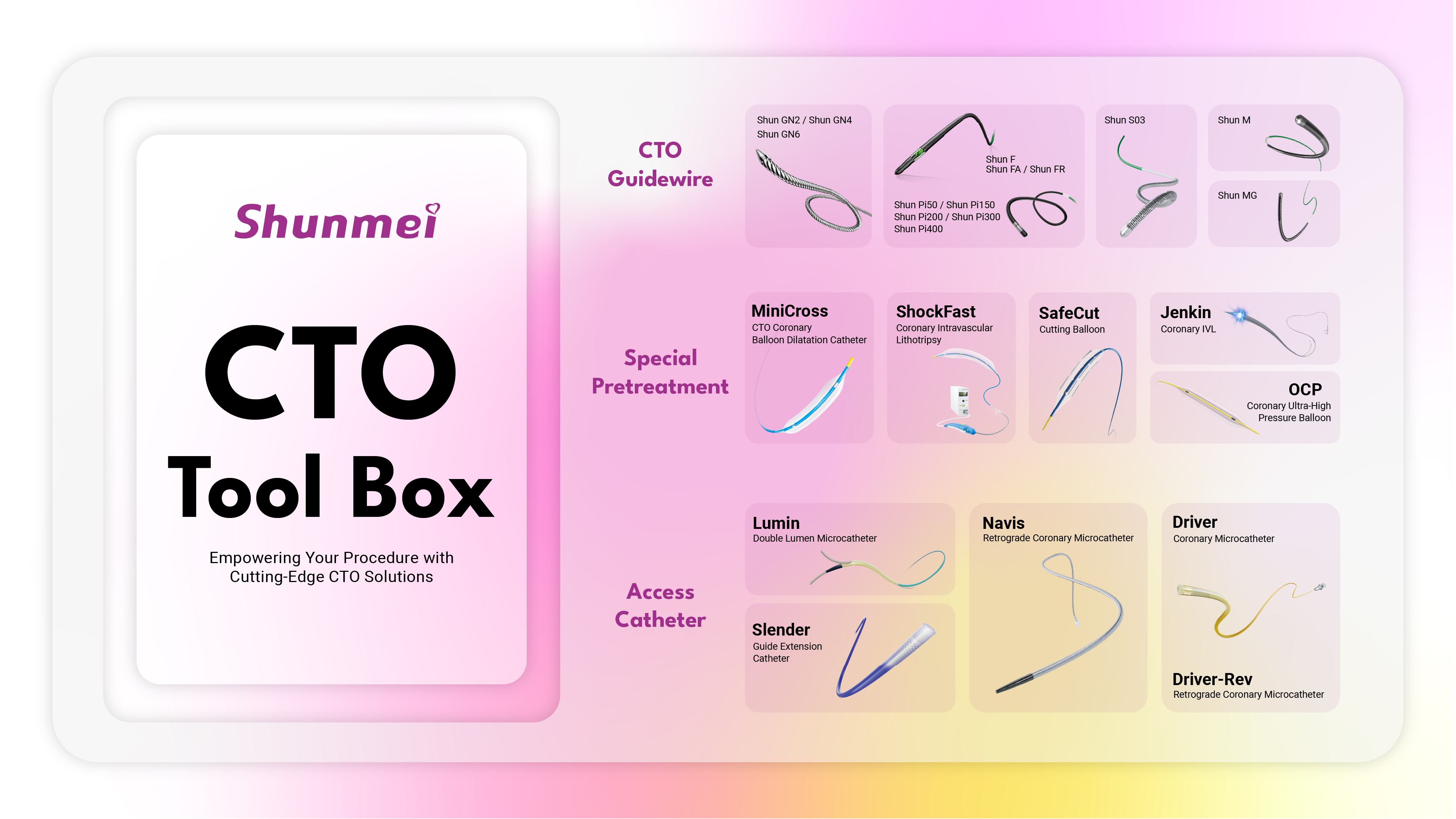
Pick materials and design that match your anatomy and workflow. Expect trade-offs and prioritize predictable behavior over marketing claims. When specs are transparent and matched to real use, you get safer handling and fewer surprises — the exact strengths shown by Shunmei in their device documentation and engineering notes, so you can focus on the patient, not the kit. ✅