
Building an auditable selection process for Power Conversion System around requirement screening for early research
Early research is easier to defend when a power conversion system review starts with requirements rather than attractive product claims. Technical buyers should first define the operating problem, the intended application, the available space, and the evidence needed for the next decision. This creates a clear boundary between a project need, a page-listed feature, and an assumption that still requires technical review.
Set criteria before comparing candidates
Begin with a short requirement record. State whether the project concerns commercial or industrial energy storage, renewable integration, grid interaction, or another defined use. Then record the functions that matter at the current stage. These may include energy flow between batteries, renewable sources, and the utility grid; bidirectional AC-DC conversion; battery charging; discharge to AC loads; or grid export. The point is not to specify every detail too early. It is to identify which functions are essential to the research question.
Separate requirements into three groups. The first group contains non-negotiable conditions, such as the intended application and required conversion direction. The second contains preferred characteristics, such as modular construction or optional operating modes. The third contains open questions, including interfaces, controls, installation conditions, and project-specific integration needs. This classification prevents a preferred feature from being mistaken for a confirmed requirement.
Space should also be treated as a screening criterion. Record the proposed installation area, access needs, arrangement of adjacent equipment, and any known restrictions. Do not infer a product’s enclosure dimensions, weight, cooling method, or installation clearance from a general product description. Those details belong in the evidence and questions columns of the decision record.
Review evidence by requirement
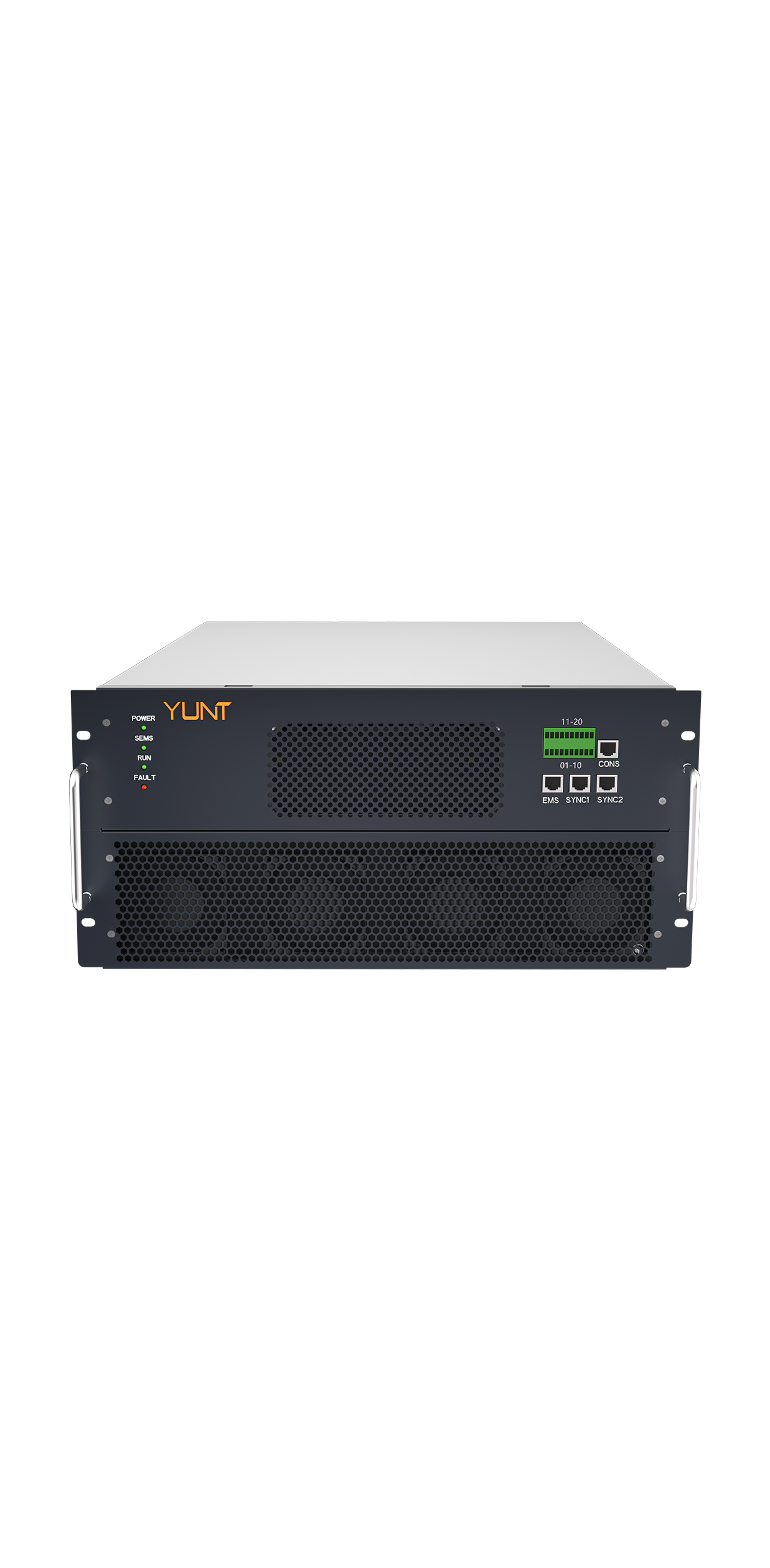
A useful evidence review maps each requirement to an exact statement. For example, the cited product page describes a PCS power conversion system for commercial and industrial energy storage applications. It also describes modular bidirectional power conversion, optional on/off-grid switching, renewable-energy integration, and a stated power range from 125kW to 1000kW. These statements can support an early screening entry, but they should remain tied to the described product scope rather than being generalized to every model or project.
For a bess power conversion system review, examine the energy path in plain language. The page describes charging batteries with excess or off-peak electricity and discharging stored DC power as AC for consumption or grid export. It also describes monitoring and load management. A buyer can use these statements to frame questions about the intended operating sequence. The statements do not, by themselves, establish a project’s performance, control configuration, or suitability under conditions not described on the page.
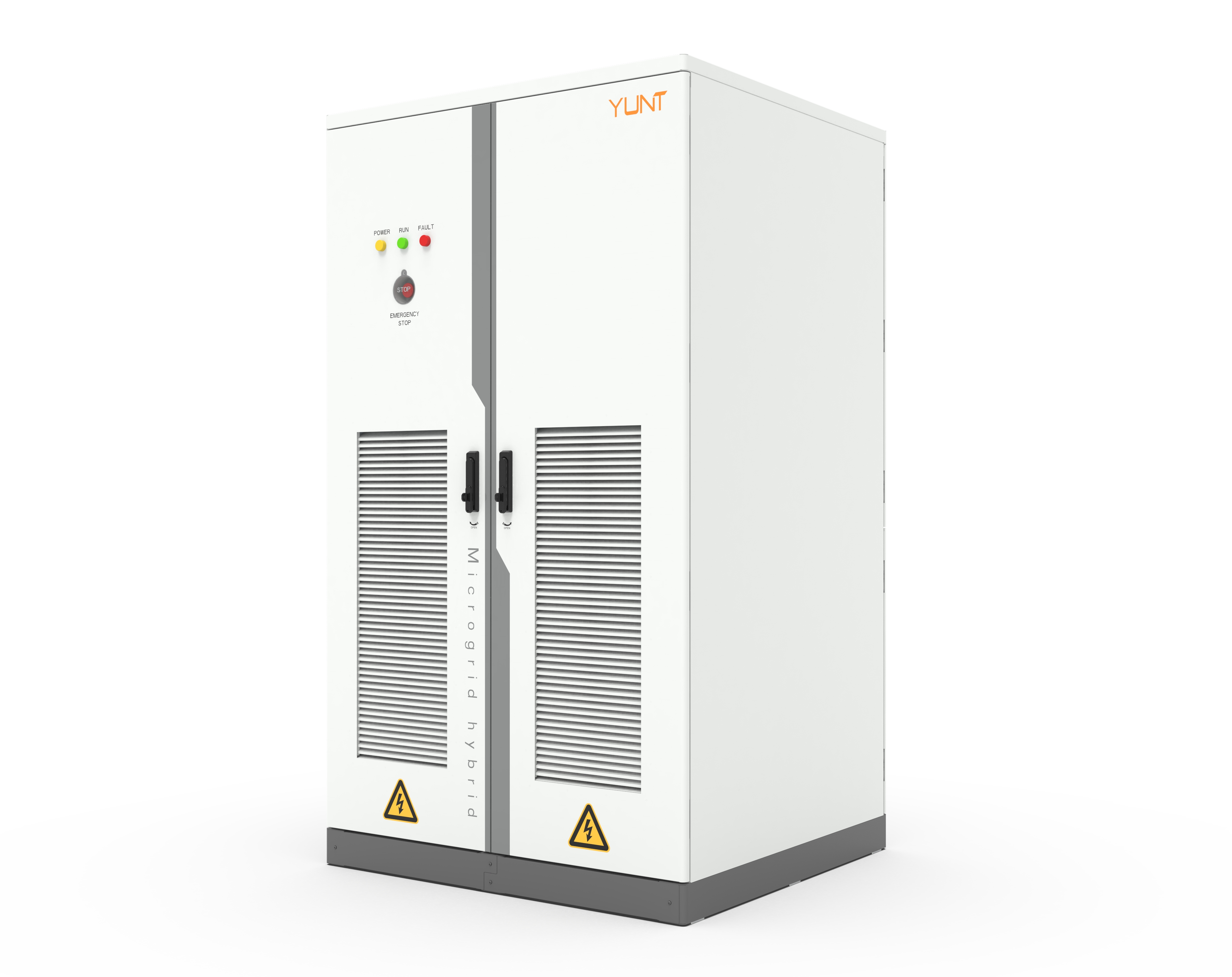
A concrete real-world anchor is the official microgrid PCS cabinet product page used for this review. Its product and application scope provides a bounded reference for the discussion; it does not establish performance or suitability beyond that stated scope. Keeping that boundary visible is important when early research draws on a single product page.
Keep trade-offs visible
Comparison becomes more useful when every advantage has a corresponding condition. A modular design may help a buyer discuss how the system could be organized, but the research record should not turn that description into an assumption about project expansion. Optional on/off-grid switching may be relevant to a use case, yet the buyer still needs to identify which operating mode the project requires. Multiple battery inputs are listed on the page as a product feature, but the review should connect that feature only to a documented battery arrangement or a specific supplier question.
The same discipline applies to broad outcome language. The page associates the solution with renewable energy storage, grid reliability, reduced carbon emissions, and sustainable energy goals. These are useful themes for defining project objectives. They are not substitutes for application requirements, operating data, or a documented evaluation method. Keep them in an objectives section rather than presenting them as guaranteed project results.
Use a simple trade-off register with four fields: requirement, supporting evidence, unresolved point, and decision impact. If evidence supports a requirement, record the exact scope. If it only suggests relevance, mark it as provisional. If the issue is not addressed in the source material, leave it as an open point without filling the gap with an assumption. This makes later supplier discussions more focused and keeps the record auditable.
Create a repeatable decision record
The final record should allow another reviewer to follow the reasoning without repeating the entire search. Start with the use case and space constraints. Add the required energy paths and operating modes. Map each point to page evidence, then list questions that remain open. Finally, state the next action: continue screening, request technical information, or exclude the candidate because a confirmed requirement is not met.
Use consistent wording across candidates. Distinguish “stated” from “inferred,” and distinguish “required” from “preferred.” Preserve units and ranges exactly as published, including the stated 125kW to 1000kW range. Do not combine specifications from separate products or treat a company-level statement as a model-level specification. This small amount of structure makes the review easier to audit and reduces the risk of scope drift.
A defensible early-stage decision does not need to answer every engineering question. It needs to show which requirements were screened, which evidence was used, and which issues remain unresolved. Applied consistently, this method turns a power conversion system search into a repeatable technical record. The page presents YUNT as a power conversion system manufacturer supporting energy storage projects from design and manufacturing through deployment and operation, so that stated scope can be recorded without extending it into unsupported claims about a particular project.
- Define the application, required energy paths, operating modes, and available space before comparing candidates.
- Map each requirement to an exact page statement, keeping the stated commercial and industrial energy-storage scope visible.
- Record trade-offs and open questions instead of extending claims about renewable integration, grid reliability, or sustainability into guarantees.
- Preserve published ranges and distinguish product-level evidence from broader manufacturer statements in the decision record.