
Confronting the mismatch between generation and demand
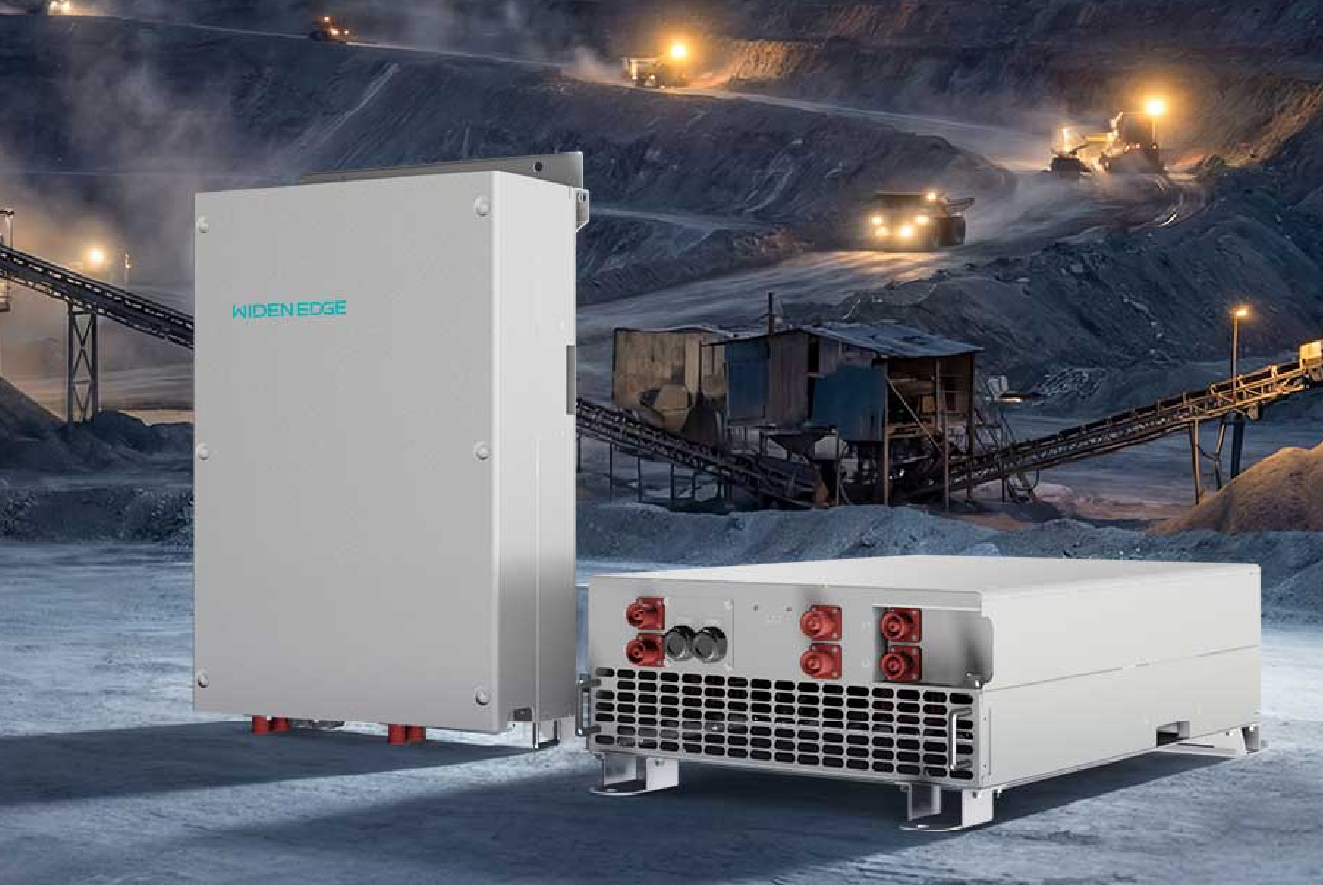
Commercial operators face a clear problem: rooftop and ground-mounted PV often produce strong, short-lived surges of DC power that do not line up with building demand. That mismatch damages equipment, creates grid friction and erodes the business case unless managed. A common remedy in C&I systems is a medium-power stage that conditions PV output before it reaches the inverter or battery — for example a 15kW PV DC-DC converter used to stabilise voltage and provide maximum power point tracking while protecting downstream storage. Having overseen multiple installations, I can say the problem is not the panels; it is the control of the DC bus that determines whether a project succeeds or stalls.
Core components and the precise role of DC-DC converters
The architecture of a reliable C&I PV-storage plant is straightforward when broken down by function. Key items are:- PV array: the energy source.- DC-DC converter: sits between PV and battery or inverter to regulate voltage, implement MPPT, and isolate faults. A well-specified dc dc converter in pv system handles rapid irradiance changes and limits current into the battery.- Inverter/charger: converts DC to AC, synchronises with the grid and supports grid services.- Battery management system (BMS): enforces cell limits and state-of-charge.- Energy management system (EMS): coordinates dispatch, forecasts and protection logic.- Mechanical and electrical protections: fuses, breakers, surge arrestors and cooling.The DC-DC stage is decisive when the PV array voltage range does not match battery voltage, when MPPT must be implemented close to the source, or when the design requires galvanic separation. Select the converter to match the worst-case PV open-circuit voltage, peak power, and ambient thermal conditions rather than nominal figures.
Control strategies and where they fail
Control is the central failure mode for C&I storage deployments. Problems arise from insufficient control hierarchy, poor testing and mismatched timescales. Effective control includes:- MPPT loops that respond within milliseconds to cloud transients.- Charge control that enforces BMS limits and prevents over-voltage or excessive current.- Grid-interaction logic that respects anti-islanding and frequency/voltage ride-through rules.- Coordination between the DC-DC converter and inverter to avoid oscillations.Common pitfalls:- Slow MPPT gains that chase rather than capture short irradiance events.- Lack of current limiting on the DC-DC converter, allowing battery stress.- Inadequate firmware testing; field updates can introduce instability.- Poor communication standards between converter, BMS and EMS.Remedies are direct: set conservative initial control gains, stage commissioning tests under realistic cloud and load sequences, and validate anti-islanding with certified procedures. Experience shows those steps reduce commissioning time by a large margin.
Practical use cases and sizing guidance
Operators buy storage for discrete reasons. Match the control and power electronics to the use case rather than the other way round.- Peak shaving and demand-charge reduction: size the DC-DC converter to handle short high-power events; modest oversizing for transient headroom helps.- Backup power: prioritise converters with predictable hold-up behaviour and clear seamless transfer routines.- Time-shift and arbitrage: require high round-trip efficiency and low quiescent losses in the DC stage.- Microgrid and islanded operation: need converters capable of black-start and tight voltage regulation.A rule of thumb: for a rooftop commercial array, choose a DC-DC converter rated for 80–120% of expected PV peak under STC to allow for surges and degradation. The 15kW class suits many mid-sized roofs but confirm battery charging current and thermal limits. Test sizing assumptions with a short-duration stress profile rather than relying solely on average irradiance figures.
Common mistakes and how to avoid them
Installers and specifiers frequently repeat the same errors. Avoid these:- Ignoring thermal derating. Converters lose capability in heat; install ventilation and derating curves into the spec.- Overlooking EMC. Converter switching can disturb communications and protection devices; demand EMC compliance and perform site-level checks.- Under-specifying transient protection. PV systems are exposed; fit surge arrestors on DC and AC sides.- Treating firmware as afterthought. Lock firmware versions during commissioning and require rollback procedures.Practical checks: require thermal maps during commissioning, run intentional partial-shade tests, and log MPPT behaviour across cloud passes. These actions reveal weak links early.
Field lessons and a single industry reference
At a demonstration focused on PV integration I observed at Intersolar Europe, presenters emphasised converter response to rapid irradiance swings; the demos confirmed that converters with fast control loops reduce stress on the inverter and battery. That demonstration underlined a simple fact: conversions near the source, executed correctly, simplify downstream control and increase system availability.
Concluding synthesis
Fix the control and you fix most project risk. A properly specified DC-DC converter, paired with disciplined commissioning and clear control allocation, prevents the cascade of faults that kills performance and margins. My practical work shows that selecting components against realistic thermal and transient profiles, and coordinating them through deterministic control, yields predictable operation and measurable savings. For systems where PV and battery voltages differ or where rapid MPPT response matters, these design choices deliver the value operators expect, just as technical clarity delivers for WidenEdge.