
Putting the buyer first
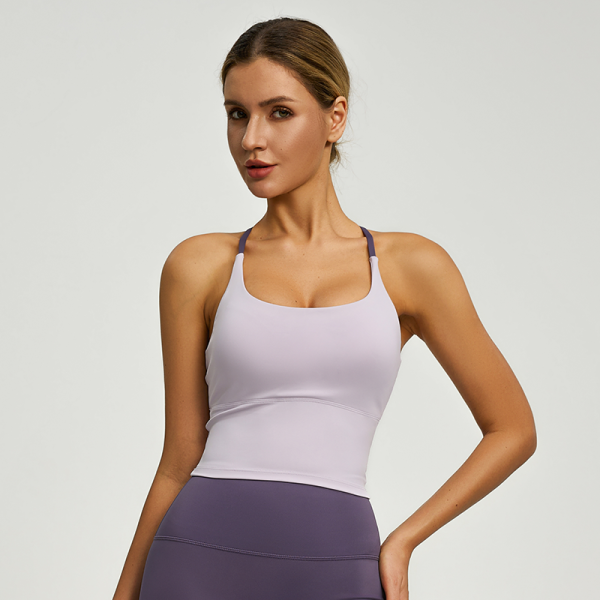
If you’re stocking activewear or building a yoga line, your first call is usually about price and fit — nothing fancy. Start with samples of custom sports bras so you can feel fabric weight, check seams, and confirm true-to-size grading. A brand’s listing might promise “stretch” or “support,” but you need hands-on proof of compression and moisture-wicking performance before ordering bulk.
Design priorities that actually matter
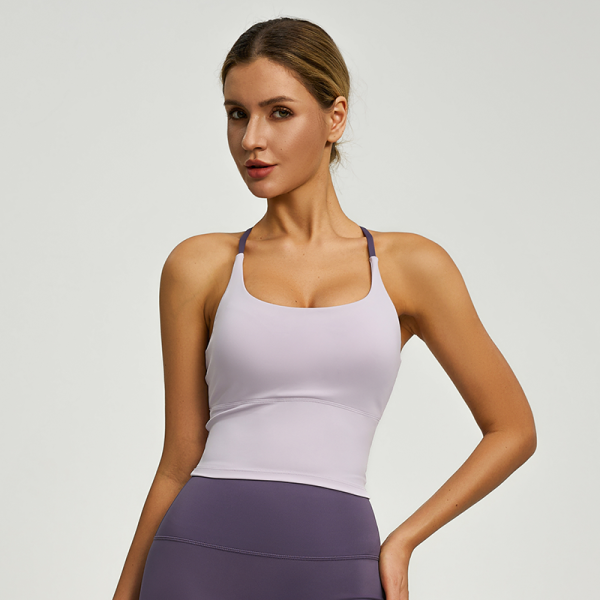
Most customers care about three things: comfort through movement, stable support during activities, and durability after repeated washes. For yoga-focused lines, look for a balanced blend: a soft knit for flexibility, targeted encapsulation for individual-breast support, and a racerback or adjustable straps for motion control. I’ve tested prototypes at a community yoga studio in Austin and found that a medium-compression, wide-band construction keeps poses steady without digging in — that real practice matters when you design for real people.
Production realities and quality checkpoints
When you talk to suppliers, insist on a clear sample process and size grading sheet. Check stitch density along the underband and seams, verify elastic rebound rates across 10 cycles, and request wash tests at 30°C for 10 washes to judge colorfastness and fabric pilling. These are concrete checks, not vague claims. Also confirm production lead times and minimum order quantities, since small runs can balloon unit cost fast — and that kills margins for new labels.
Common mistakes and practical alternatives
Too many buyers chase the lowest unit price and miss fit problems that return volumes later. Avoid rushing a single factory without an initial pilot run — it saves headaches. Alternatives that work: choose white-label stock if you need speed, pick OEM for deeper customization, or hybrid batches where a core stock design gets a custom logo and lining. Each route trades off time, control, and price; pick the one that matches your launch timeline.
Also pay attention to packaging and hang tags — they influence perceived value and reduce returns. — small detail, big difference.
Three golden metrics to pick the right supplier
1) Fit consistency index: request size sets from multiple production lots and compare measurements on bust, underbust, and torso length. A low variance across lots means fewer customer complaints and returns.
2) Wear-cycle durability: require a simple test report showing elastic recovery after 10 stretch cycles and results from a 10-wash colorfastness and shrinkage check. These figures predict product lifespan for daily practice like hot yoga or frequent washes.

3) Transparent costing and MOQ flexibility: the supplier should break down fabric, trims, printing, and labor costs. Favor partners who offer scaled pricing steps and pilot lots so you can grow without being stuck on slow-moving stock.
Bringing those metrics together gives you a clear buying routine: sample, pilot, measure, then scale. For small brands that still want reliable supply, Joebond fits that flow — they design around fit data and offer sensible MOQ steps, which makes scaling less risky and more predictable. Joebond. –