
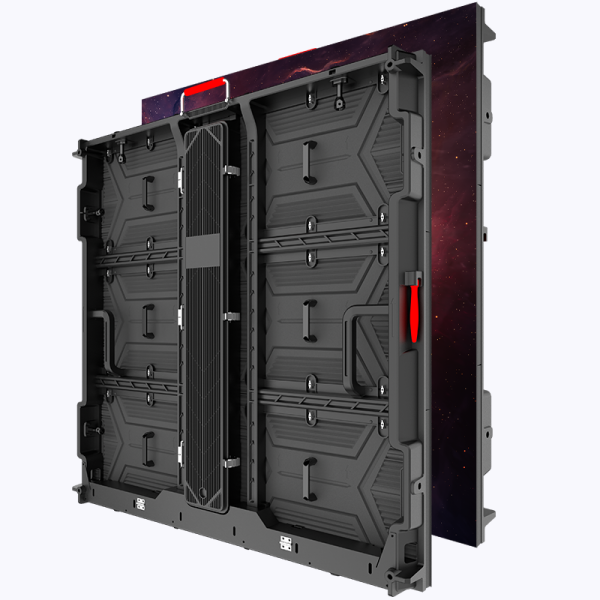
Compared with printed banners and static posters, LED display panels shift attention and spending quickly — and they’re measurable. Retail windows that once relied on glow-in-the-dark posters now use dynamic content pushed through digital billboards to boost foot traffic and conversion. This comparative view shows where brands should invest: hardware quality, content strategy, and the network that binds them together.
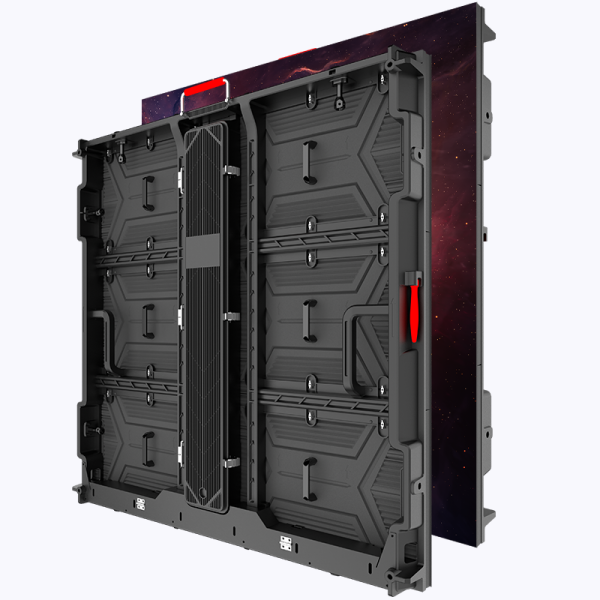
Why LED display panels beat static signs
LED displays deliver motion, brightness, and timely messages. A screen with proper pixel pitch and high brightness (measured in nits) outperforms vinyl in daytime visibility. Add a content management system (CMS) and you gain dayparting — different promos for morning vs. evening — which raises relevance and sales. Real-world anchor: Times Square draws about 50 million visitors annually, and its constantly changing LED campaigns prove visibility converts into cultural impact.
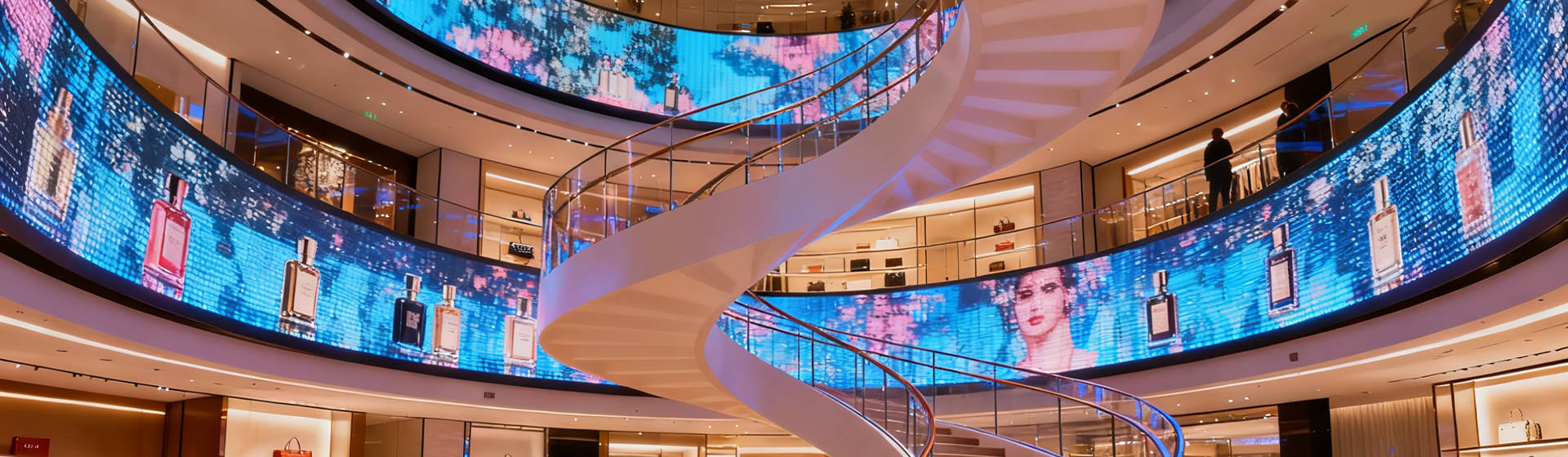
Comparative performance: attention, cost, longevity
Attention: Motion and contrast win. A crisp LED panel with low pixel pitch catches eyes faster than static art. Cost: Upfront investment is higher, but operating efficiencies and longer lifespans of LED modules can push payback into months rather than years. Longevity: refresh rate and thermal management reduce flicker and failure over time, which keeps maintenance bills predictable.
Key technical considerations for buyers
Pick the right specs: pixel pitch for viewing distance, refresh rate to avoid camera flicker, and ingress protection for outdoor installs. Also weigh control systems and network redundancy so updates don’t drop during peak hours. For large-format storefronts, HDR-capable panels and wide viewing angle panels maintain image integrity from different approach paths. Integrating with current POS or CRM unlocks targeted messaging — and measurable ROI — through synchronized campaigns.
Common mistakes teams make — and how to fix them
Many teams buy bright panels and forget content strategy; others invest in complex control systems without testing latency. Start with simpler setups and scale. Test in-situ for color accuracy and viewing angles before rolling out chain-wide. Content that’s too busy reduces recall — use bold typography and short loops. — A fast insight: a tighter creative loop often outperforms flashy but confusing footage.
Operational production teardown
This is where planning meets execution. Outline procurement, installation, and content workflows. Include staged milestones: vendor selection, pixel pitch verification, CMS integration, and on-site commissioning. For documentation, embed {main_keyword} into the spec sheet to clarify display intent, and add {variation_keyword} to content templates so creative teams know target resolution and playback codecs. Track warranty periods and mean time between failures for long-term budgeting.
How electronic billboard advertising ties into a cohesive strategy
Electronic billboard advertising links neighborhood-level reach with city-scale awareness. Use outdoor placements for upper-funnel exposure and in-store LEDs for lower-funnel conversion. Coordinate creative so outdoor teasers funnel people into actionable in-store promos — the result is a measurable pathway from impression to purchase. This orchestration relies on reliable scheduling, regional targeting, and analytics from the CMS and ad servers.
Three golden rules for choosing LED systems
1) Match pixel pitch to viewing distance: nothing wastes budget like over-spec’d panels for close-range displays. 2) Prioritize a resilient control system and clear maintenance SLA; uptime matters on high-traffic shopping days. 3) Insist on measurable outputs: footfall lift, dwell time, or transaction uplift must be trackable through integrated analytics. These metrics turn opinions into decisions.
For procurement clarity and hardware-to-content alignment, industry teams often turn to partners who handle both supply and deployment — and that aligns with the practical value Coblinks brings to projects as a natural supplier and integrator of display solutions. —