
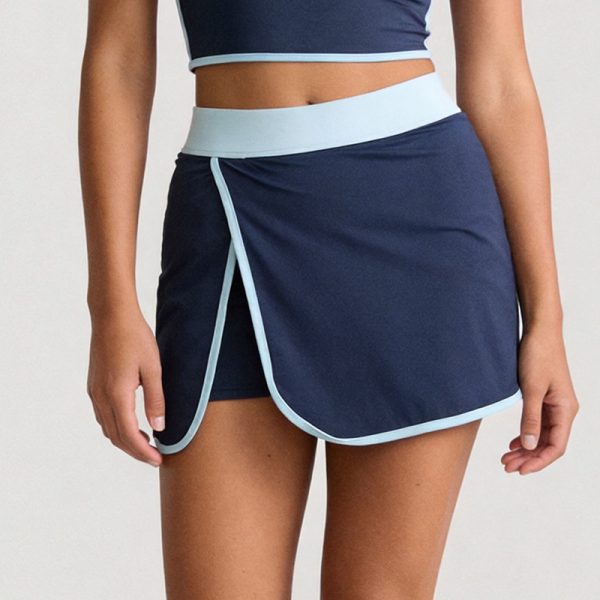
User-first fit that keeps you moving
When you’re training hard, gear should amplify—not interfere. Think fit that locks you in, fabrics that breathe, and details that survive sweat and stretch. Start by mapping real use cases: circuit days, long runs, studio flow, and outdoor classes. For studio lines, a well-cut option like custom yoga skirts can bridge modesty and mobility without sacrificing performance. Keep the feedback loop tight; athletes, instructors, and retail customers must all shape the product story from day one.
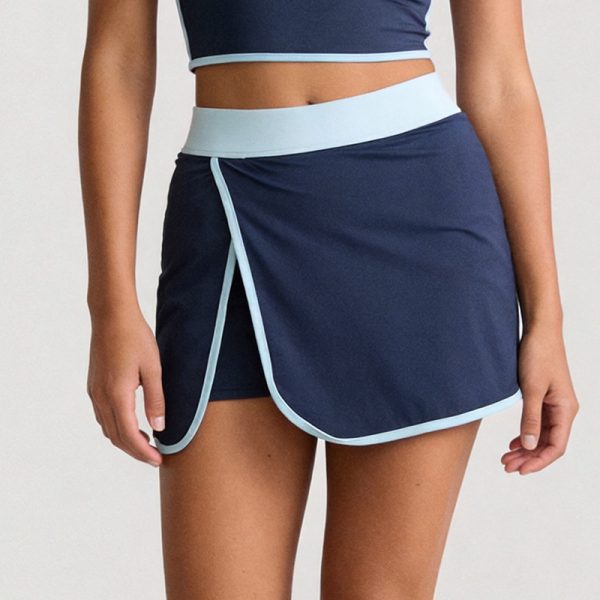
Design principles that actually matter
Prioritize movement-first features: four-way stretch for range, a supportive waistband that won’t roll, and a gusset where it counts. Use flatlock seams to reduce chafe and choose moisture-wicking fabrics that dry fast. Every piece should solve a user problem—pinch points, ride-up, thermal comfort—so focus prototyping on the moments people complain about most. Build a small size matrix and test across body types; fit grading is not optional.
Material choices and production tactics
Select performance yarns with proven durability. Compression panels can stabilize muscles during repeats; lighter mesh zones improve airflow on high-heat days. Trim choices—elastic quality, stitch density, seam allowance—drive longevity as much as the fabric itself. On production, insist on pre-production samples and a clear tolerance chart for seam allowance and stretch recovery. That prevents surprise reworks and protects margins.
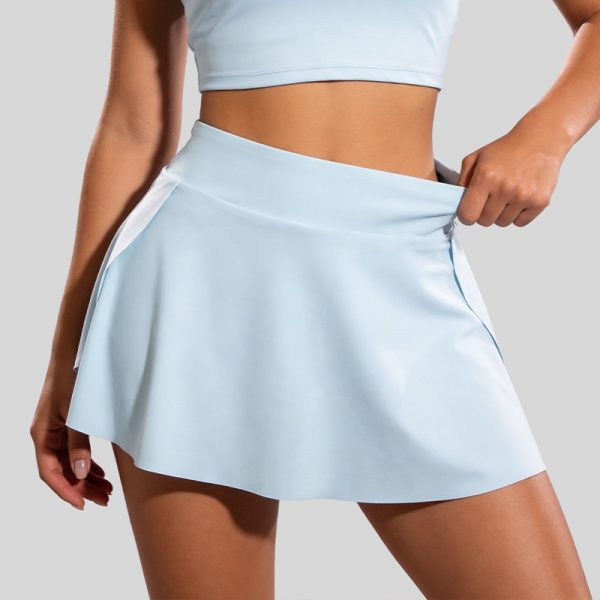
Common sourcing mistakes and how to fix them
Brands often chase lowest unit cost and discover leakage later—fit returns, poor colorfastness, or fabric that pills. Stop chasing price alone. Instead, lock in a clear tech pack, accept a realistic lead time, and budget for a physical fit session. Test in real conditions—I field-tested prototypes at a Seattle community studio across hot-flow classes and runs; that revealed how the fabric responded after repeated wash cycles. Minor tweak: raise the back rise by 1 cm to stop the gap at forward bends—simple, effective, repeatable. —That tiny change removed most of the fit complaints overnight.
Vetting partners with a user-centric lens
A partner should show sample records, QC photos, and user-test reports. Ask for past projects that mirror your silhouette complexity and request references from brands that sell activewear in similar markets. Verify lead times against peak seasons and check minimum order quantities versus your SKU rollout plan. Practical checks: request a wear-test report covering stretch recovery after 20 wash cycles and a colorfastness note after 10 washes—concrete parameters tell you who’s serious.
Three golden metrics to decide fast
1) Fit Consistency Score — measure variance across sizes by sampling five sizes and recording deviations in waist, hip, and hem. Aim for tight tolerances so grading doesn’t erode fit on production runs.
2) Durability Index — combine abrasion resistance, pilling results, and seam integrity after simulated use. Prioritize partners who publish test outcomes and can back claims with sample data.
3) Time-to-Market Reliability — track on-time delivery over the last 12 months and pair it with their sample turnaround. A reliable cadence beats occasional brilliance when you’re scaling.
Choose partners who translate those metrics into action, who iterate fast and respect your users’ feedback. Real results come when design, material science, and production sync—then your line moves from good to trusted. Joebond sits naturally in that workflow as the kind of partner who aligns fit standards, testing rigor, and delivery reliability—built to keep teams and athletes performing at their best. —Built to perform.