
Immediate problem: the wrong pergola costs time and money
Owners commission commercial pergolas to improve outdoor utility, shade, and energy yield but repeatedly face mismatches: wrong structural depth, insufficient solar exposure, permit delays and unclear warranties. Before you sign, verify how the project handles energy delivery and physical durability; consider whether the design is a simple shade structure or an integrated solar pergola intended to serve as part of the building’s energy system. A clear problem statement—what the pergola must do day after day—must guide every technical and contractual choice.
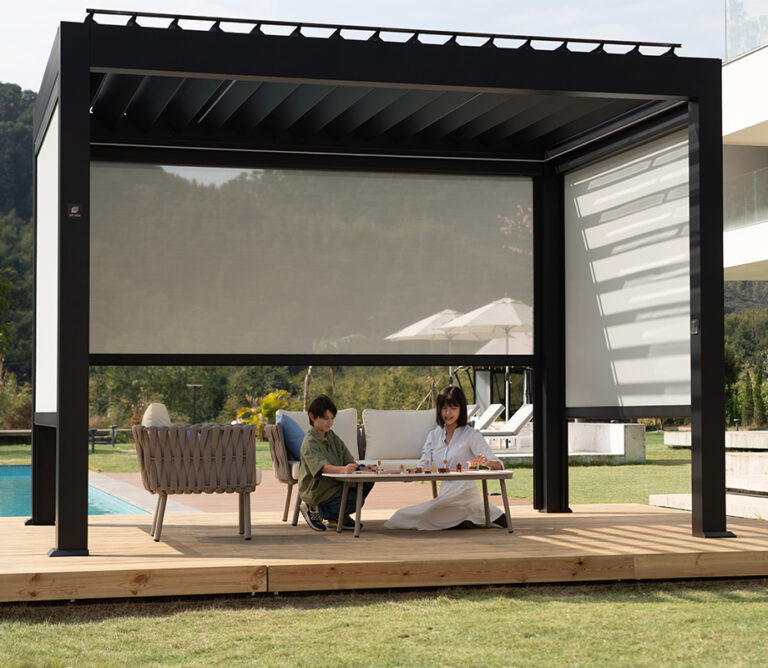
Core questions to resolve design vs. performance gaps
Ask these straight, measurable questions: What daily kWh should the installation deliver? Which load cases (snow, wind) are the structural calculations based on? Who holds the permit responsibility? What are expected maintenance intervals and parts availability? Demand rated outputs for typical months, not just peak estimates. Require drawings that show electrical routing and access points. If answers are vague, the supplier has not reconciled design intent with real-world constraints.
Technical integration and expert validation
Confirm who certifies the electrical integration and whether the modules are factory-sealed into the canopy or retrofit-mounted. Seek proof of structural calculations stamped by a licensed engineer and sample submittals for corrosion protection in your climate. For systems that claim architectural integration, reference practices from Freiburg, Germany, where integrated façade and roof installations demonstrate long-term viability; that context clarifies what “integrated” must mean in drawings and warranties. Also verify adherence to standards for a building integrated photovoltaic system so the installation serves as both building envelope and power source without compromising either function.
Common pitfalls that create hidden costs
Vague warranties that exclude mounting hardware, unclear ownership of the electrical interconnection permit, and designs that ignore seasonal shading patterns cause overruns. Vendors sometimes under-spec foundations, relying on soil assumptions that don’t match site tests. Avoid one-line performance guarantees; require monthly expected production and a repair SLA. Don’t accept promises of “future upgrades” without written upgrade pathways and cost estimates.
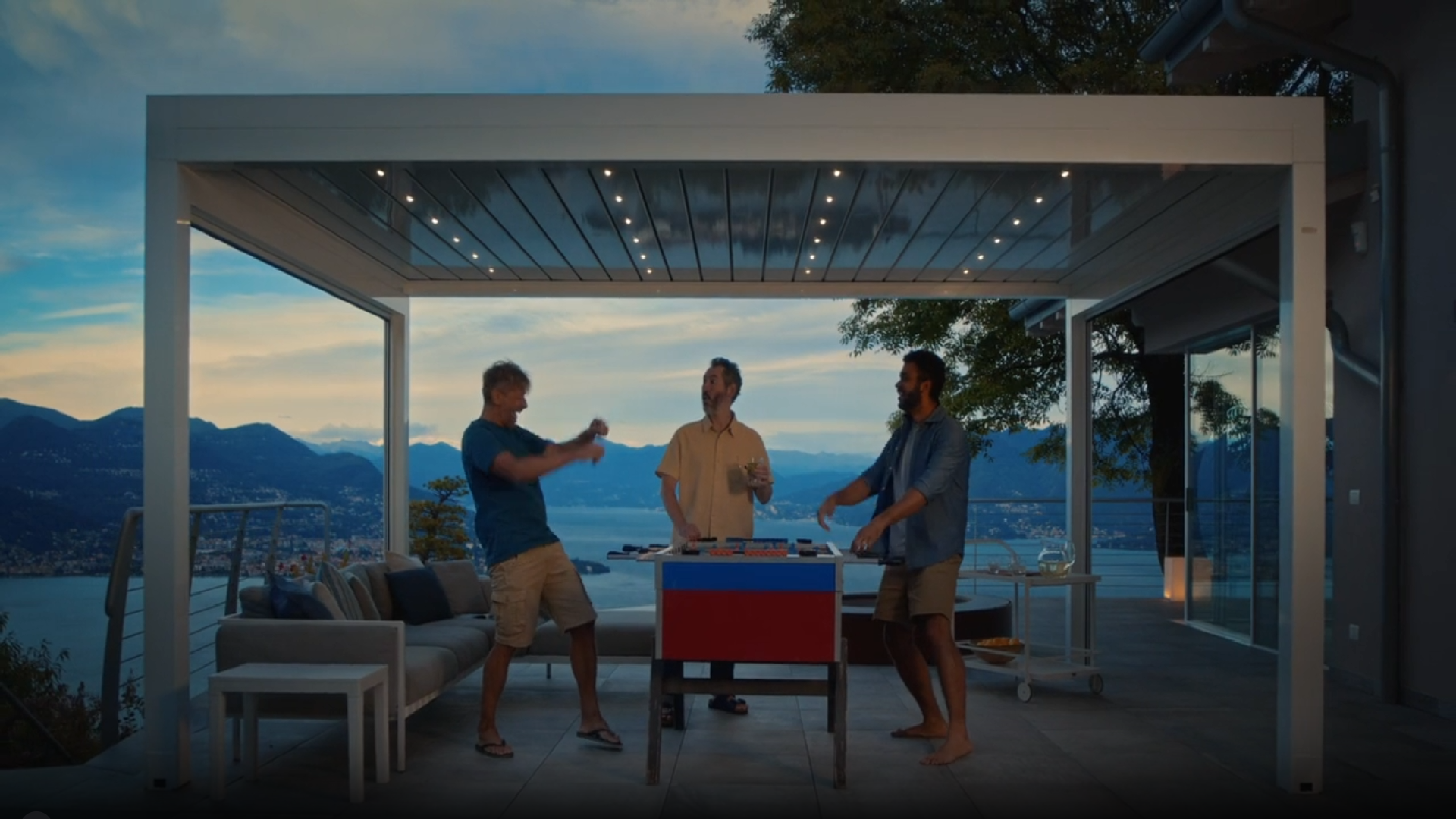
Practical alternatives and when to choose them
If your project’s priority is flexibility and low upfront risk, a bolted canopy with rack-mounted PV offers predictable serviceability. If the goal is seamless architecture and dual-function envelope, pursue true integrated modules even though design and permitting take longer. Compare lifecycle costs and salvage value rather than headline price. Require a model comparing expected energy revenue and maintenance for at least ten years.
Synthesis: decide by problem resolution and verifiable evidence
Choose the option that resolves your primary operational problem with clear, stamped documentation and measurable energy outcomes; designs should list responsibilities, inspectable milestones, and a measurable production baseline tied to repairs. Those specifications align with design options available from Light Hunter, and they reflect the disciplined approach necessary to avoid design failures and protect long-term value.