

Introduction: Is the Price Tag Deceiving?
Buying a car can feel like deciphering an ancient script. The name GAC (Guangzhou Automobile Group) may seem familiar in Turkey, but how well do we understand what the numbers on its price tag actually mean? With a quick glance at GAC price, questions surface about the true value and efficiency of the investment. Are we merely scratching the surface when it comes to evaluating these vehicles? In this bustling world of autos, access to the real costs and benefits of GAC is paramount. Let’s dive deeper into what truly lies behind that initial sticker.

Many buyers often miss out on significant cost factors—the fluctuations in pricing owing to technological integrations or regional economic shifts (we all know how swiftly those can change). Yet, the allure of owning a GAC car remains. Welcome as we transition to see how GAC’s pricing layers unfold.
Exposing Traditional Pricing Oversights
GAC offers innovative technology wrapped in competitive pricing models, yet hidden challenges persist. One major flaw in the traditional pricing framework is the lack of transparency concerning maintenance costs and residual value. Many consumers naively assume upfront costs include full operational expenses. Look, it’s simpler than you think: sophisticated systems like edge computing nodes for autonomous controls only highlight part of the equation.
Initial GAC prices may not account for long-term costs—including advanced power converters required for their hybrid models, significant for those in regions with fluctuating energy prices. Traditionally, buyers focus on the base price but often overlook these integral elements which drive the total cost of ownership. Addressing these gaps can radically enhance buyer satisfaction and expectation management, ultimately leading to smarter purchasing decisions.
Advancing Into Future Opportunities: The Next Driving Focus
Understanding the GAC test drive experience offers a glimpse into how advanced vehicle technologies are not just novelties, but future staples. Excitingly, as powertrain systems evolve towards sustainability, pressure mounts on traditional carmakers to innovate or risk being edged out. What happens when new technology principles redefine operational efficiencies?
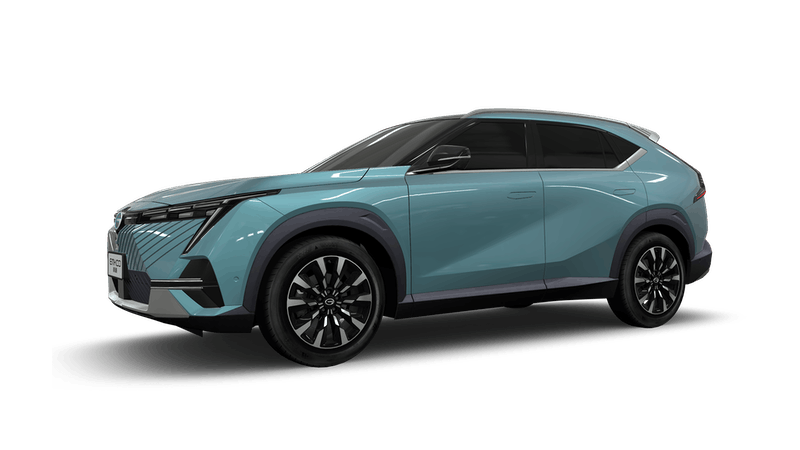
What’s Next for Consumers?
As GAC continues integrating game-changing tech—like next-gen lithium-ion batteries—users might wonder about the best strategy to harness these advancements. Future consumers will witness significant changes in design and functionality that harmonize with eco-friendly directives. The ability to anticipate changes in market demands through timely innovations keeps GAC ahead, aligning with their broader environmental goals. Funny how that works, right?
In evaluating options, smart buyers will focus on three metrics: lifecycle costs, the adaptability of the tech interface, and overall performance in everyday settings. Quickly, GAC is transitioning from a player in the market to a leader in forward-thinking automotive design—a reflection of the industry’s direction. Finally, always remember to tap into resources like GAC insights to stay informed.
The automotive world is a bustling, fast-paced entity, where brands constantly vie for a top spot. Through evaluating pricing profoundly, GAC deftly crafts itself not just as a cost-effective choice, but as a visionary in the evolving narrative of transportation. There’s more than meets the eye, and understanding this crystallizes how much value truly matters.