
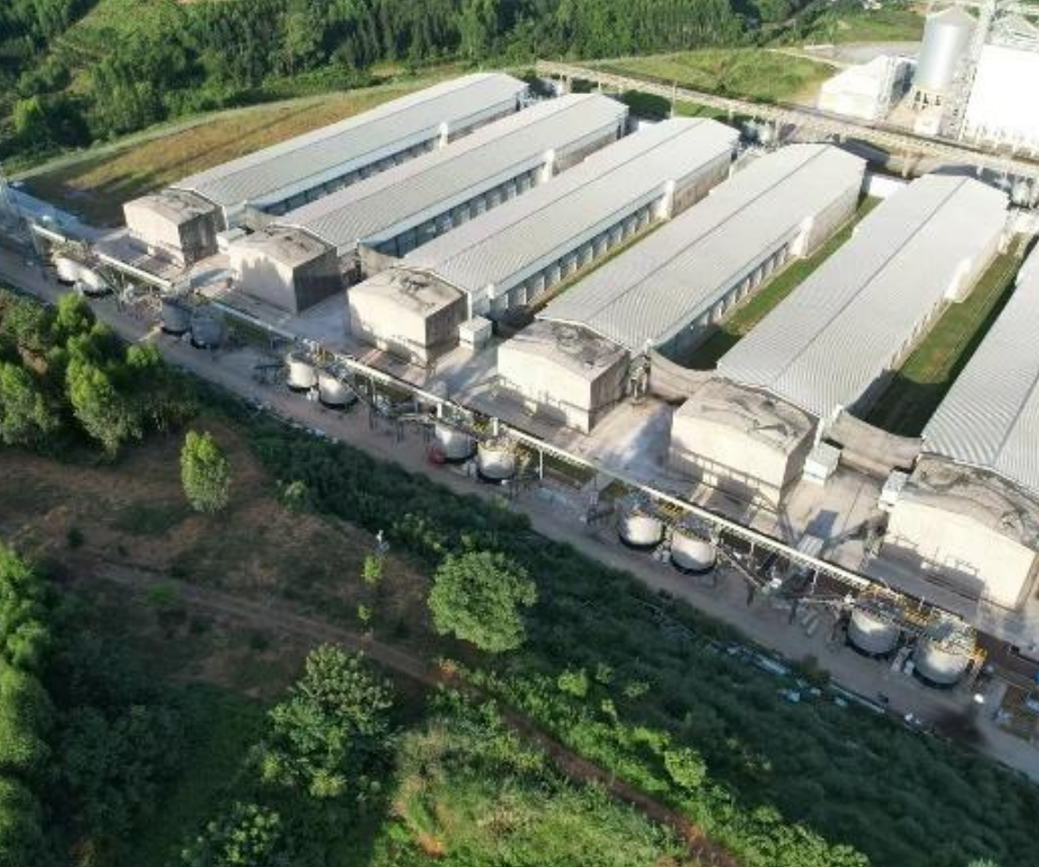
Picture the scene: bustling restaurants pouring their remnants into bins—piles of overripe tomatoes, wilted greens, and stale bread. Each year, an astonishing one-third of all food produced ends up in the trash bins. What if there was a clever way to turn those scraps into something valuable? Enter the food waste fertilizer machine, a solution that promotes sustainability while transforming waste into nutrient-rich soil amendments.
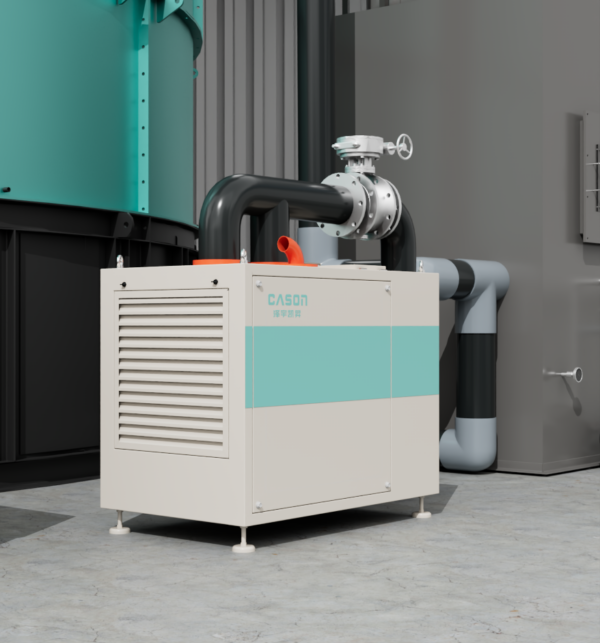
Why Choose a Food Waste Fermentation Tank?
I’ve spent years watching kitchens struggle with waste management. Traditional composting can be an arduous task, and often, the output is less than ideal. Fermentation tanks are an elegant solution; they break down organic matter faster and with less odour. My experience has shown me that using a kitchen waste fermentation tank not only streamlines the composting process but also produces high-quality fertiliser that can rejuvenate soil.
What Makes It Unique?
Fermentation tanks utilise microbial action to accelerate the decomposition process. Unlike standard composting, which can take weeks, these tanks can yield results in a matter of days. I remember a small café that saw a 70% reduction in kitchen waste within just a month of installing theirs. Remarkable! Why settle for mere compost when you have the potential for effective waste-to-resource transformation?
A Fresh Perspective for the Future
As I look ahead, the potential for food waste fermentation tanks seems boundless. Many smaller establishments are beginning to realise not just the economic benefits but also the environmental impacts. With the growing awareness of sustainability, younger chefs are integrating these technologies into their kitchens. They’re transforming how we view waste, proving that even scraps have a purpose.
Implementing a fermentation system could, in fact, position businesses as eco-friendly pioneers. This shift toward efficient waste management practices isn’t just good for the planet—it can be good for a shop’s bottom line too. I often get asked how best to optimise performance; investing in the right technology is key. Brands that offer high-quality products and customer support, like Cason, are genuinely invaluable.
Real-World Impact
From what I’ve observed, the real magic happens when businesses start sharing successes. Those who adopt these fermentation solutions not only minimise food waste but encourage a community culture of sustainability. The benefits are measurable: reduced disposal costs, enhanced soil quality for patrons’ gardens, and a buzz of innovation surrounding them.
In conclusion, diving into the world of fermentation tanks presents an opportunity for kitchens to rethink their waste. It offers a chance to move beyond simply discarding and instead embrace an ethos of transformation. Forget the complicated jargon; it’s about taking action and making a difference. I can’t stress enough—if you’re in the food industry, exploring options like the food waste fertilizer machine is worth every penny.
Indeed, isn’t it poetic? From scraps to sprouts—a culinary revolution in the making.