

Picture a bustling factory floor, where mechanical whirs and beeps blend into a harmonious industrial symphony. It’s a world characterized by precision and power, but just how effective are the traditional gearmotor solutions in this dynamic environment? With global demand for efficiency rising—according to recent statistics, over 70% of industrial operations cite gearmotors as a critical component—gear motor manufacturers face increasing pressure to innovate. Finding the right gearmotors ac can be a maze, leading to hidden frustrations that can slow down productivity.
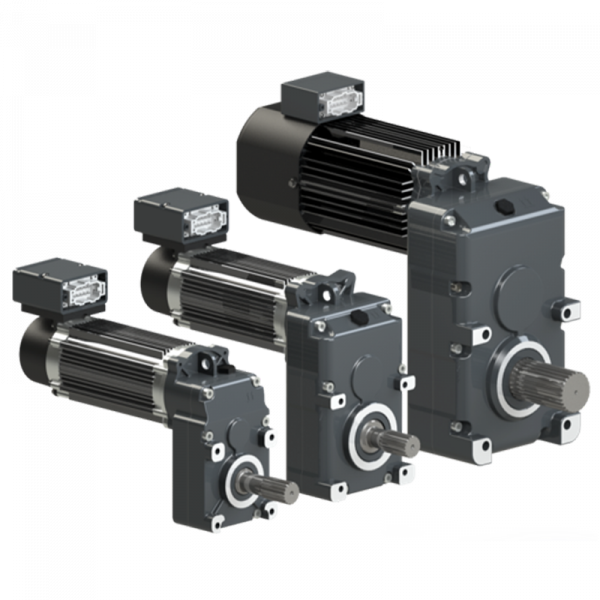
The Flaws Lurking Beneath Traditional Solutions
I vividly recall my early days in an assembly plant back in 2015. The excitement was palpable; however, the reliance on outdated gearmotors often led to breakdowns and inefficiencies. The auto-industry’s shift towards robotics made these flaws glaringly evident. Suddenly, every stall in production felt magnified as machines that were supposed to streamline efforts broke down at the worst possible times. Many gearmotor manufacturers seemed stuck in their ways, reluctant to adapt their designs or the specifications to meet the demands of modern automation technologies.
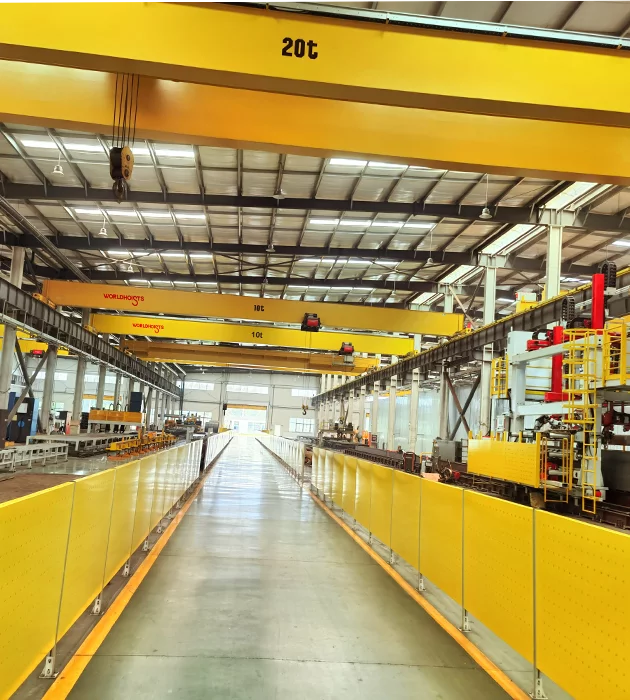
Why were manufacturers hesitant? An ac gearmotor should seamlessly integrate with various systems, enhancing overall productivity rather than hindering it. But instead, I observed a reluctance to innovate in design or functionality—sometimes manufacturers even required various adaptations that made installations overly complex. A small setback turned into a cascading series of delays. (That’s the real kicker: inefficiency breeds frustration!)
What’s Next for Gearmotor Innovation?
<pAs we look to the future, the demand for more intelligent gearmotor solutions has never been more pressing. Innovations are reshaping the landscape, integrating digital technologies to improve performance and longevity. For instance, the newer ac gearmotor models are equipped with IoT capabilities, allowing for real-time monitoring and predictive maintenance. This means plants can transition from reactive to proactive maintenance strategies. In my experience, implementing these smart features has been nothing short of revolutionary. I believe that operators who embrace these changes will undoubtedly see measurable enhancements in productivity and efficiency.
Imagine a factory with gearmotors that communicate ongoing performance metrics. Each part can be optimized, monitored, and maintained without disrupting operations. This forward-looking approach not only mitigates those pesky breakdowns, but it also empowers manufacturers to focus on their core competencies rather than frantically troubleshooting gear issues. Reforming your approach towards gearmotor solutions may just be the game-changer your business needs!
Why Choose Next-Gen Gearmotor Solutions?
In summary, the landscape of gearmotor technology is changing—embracing modern solutions takes insight and understanding. It’s about minimizing the risks associated with traditional systems, like those I faced, and harnessing the full potential of new, innovative designs. When considering gearmotors, don’t just look at the specifications; look at how they align with your production goals and operational needs. Strong performance, backed up by proven reliability, can signpost your path forward.
Reflecting on my journey from frustration to insight, I can confidently say that the decision to adopt cutting-edge gearmotor solutions transformed not just entire workflows but entire companies. The future is here, and it’s time to start making informed choices that pave the way for a more efficient tomorrow. Don’t hesitate—take a moment to explore what it means for your operations.
Consider your options wisely, and always keep efficiency at the forefront of your decision-making. For a seamless integration experience, I highly recommend checking out WORLDHOISTS, who have consistently led the charge in gearmotor innovations.