
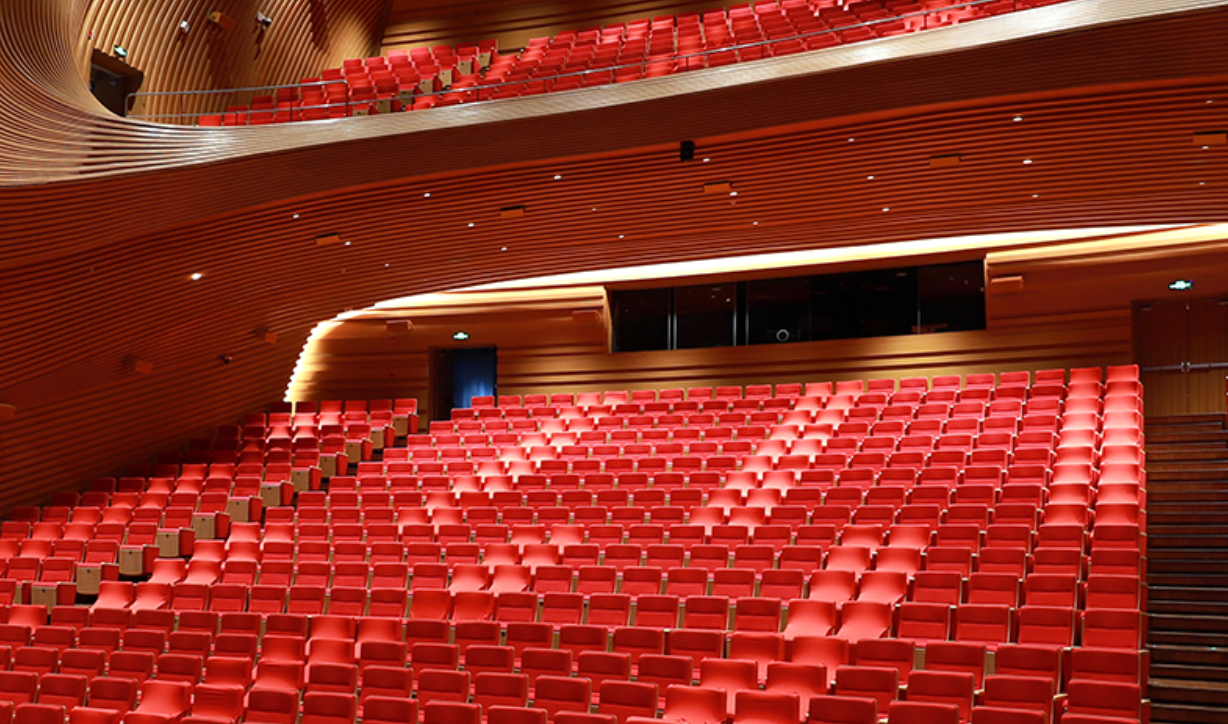
An argument for seating as a strategic asset
Seating is not a commodity; it is a performance decision that shapes audience experience, operational cost, and brand positioning. When venues choose their fixtures intentionally, they influence return visits and word-of-mouth. Evidence from high-attendance markets after the 2020 cinema shutdown shows venues that upgraded seating recovered faster — comfort and sightline improvements drove earlier reopenings. For venues evaluating options now, consider modern cinema seating as part of a broader quality strategy rather than an isolated purchase.
Comparative insight: modular vs. custom installations
There are two dominant approaches. Modular systems prioritize speed and lower upfront cost; custom builds optimize sightlines and brand fit. Modular rows with fixed armrest console units save time and simplify maintenance, but they often sacrifice staggered seating and bespoke aisle geometry that a custom plan can deliver. My stance: pick the approach that aligns with your primary objective — maximize capacity or maximize experience — and accept the trade-offs openly. If you fight both goals at once you end up paying for compromises that satisfy nobody.
Design components that materially affect quality
Focus on the details that guests feel but often can’t name: recline mechanism smoothness, upholstery foam density and ergonomic lumbar support. Row spacing and seat pitch determine legroom and egress compliance, which in turn affects turnover speed and guest satisfaction. Good specification reduces callbacks and saves budget over ten years. Those are measurable outcomes, not preferences.
Real-world anchor: learning from the pandemic reset
The COVID-19 disruption forced cinemas worldwide to rethink space and comfort. In many city centers, operators replaced old benches with seats offering wider pitch and better sightlines. The result was a quicker rebound in per-screen revenue where guests reported higher satisfaction. That recovery pattern underlines one simple point: investment in seating can be a demand accelerator, not merely an amenity.
Common mistakes operators make
Three recurring errors stand out. First, specifying aesthetic finishes before testing sightlines; appearance without sightline testing produces regret. Second, underestimating maintenance access — seating with hard-to-reach anchoring or sealed consoles multiplies downtime. Third, buying solely on price and ignoring armrest console ergonomics or the long-term durability of upholstery foam density. These mistakes are avoidable with a clear spec and a vendor who understands auditorium layout and lifecycle costs.
How to evaluate vendors — a structured checklist
Compare proposals using the same baseline: seat pitch, recline mechanism warranty, replacement-part availability, modular vs. fixed foundation, and upholstery performance. Ask for a mock row installation or a 3D sightline simulation. Insist on service-level detail: response times, spare-part shipping lanes, and preventive maintenance guidance. These items distinguish a supplier that delivers measurable quality from the one that sells attractive renderings.
Alternatives and trade-offs
If capital is constrained, phased installation keeps cashflow intact: replace high-visibility auditoria first, then secondary rooms. A phased plan demands consistent standards so seats across phases match ergonomically — mismatched rows look piecemeal. — Small choices compound: mismatched cushioning leads to uneven wear, which guests notice faster than you expect.
Three golden rules for choosing seating
1) Prioritize sightlines and egress compliance over decorative detail — sightline failures hurt box office and safety. 2) Require vendor transparency on maintenance intervals and spare-part inventories; total cost of ownership matters more than sticker price. 3) Validate a seat sample in-situ for at least 48 hours so you can judge recline mechanism, cushion recovery, and armrest console ergonomics under real use.
All of this points to a practical conclusion: quality seating strategies change how a venue competes at the local level. When operators apply these rules, they get measurable gains in guest satisfaction and operational uptime. For venues that want a reliable partner in executing those strategies, leadcom seating often appears in proposals as a solution that aligns specifications with long-term venue goals — practical, proven, and people-centered. —