
When specs walk out the door
Folks tryin’ to turn a sketch into a sellable bag usually trip over the same things: vague briefs, lofty hopes, and a factory that don’t speak the same tongue. I’ve seen it time an’ again, from a simple men’s crossbody messenger bag that looked great on paper but sagged under a week’s worth of city wear, to full-season lines that never found a fit. Problem-driven thinking matters: you gotta name the trouble first before you can fix it. Keep yer brief tight, call out materials, state tolerances, and say how you’ll judge the thing when it’s done.

What’s breakin’ — the four usual culprits
1) Specs that read like wishin’ lists. Say exactly what weight the strap must bear and what a zip’s tested to. 2) Materials chosen for story instead of use — pretty nylon ain’t the same as 500D Cordura where abrasion matters. 3) No hands-on prototype testing. You can’t judge balance from a computer mock. 4) Poor communication with the maker — photos, videos, and clear “acceptance” checklists cut down surprises fast. Fix those and you fix half the late-night calls.
Field sense and one real-world anchor
Listen to people who use bags every day. Ask New York City commuters why they sling a pack or bag: pockets in the right place, easy access to the metro card, and something that don’t bounce when you’re hustlin’ for a train. That’s where a crossbody travel bag for men proves its worth — steady, hands-free, built to touch down on crowds and subway seats without fallin’ apart. I’ve spent a dozen years buildin’ and vetting patterns, runnin’ wear trials, and checkin’ hardware choices like zippers and buckles so they actually do what the spec says they will. Use known-good components like dependable zips, reinforced stitching at stress points, and realistic load tests before you greenlight a production run.
Where most folks stumble and the quick fixes
They overcomplicate. Too many pockets, too many closures — costs spike, wear points multiply. Trim the wish list. They skip scale models; a 1:1 mockup on real shoulders finds balance problems fast. They skimp on hardware — cheap clips and mismatched sliders fail first. Decide on a handful of tested suppliers for trims and stand by those choices. They ignore user feedback; run a small pilot with actual users and take the notes seriously. Simple: prototype, test, adjust, repeat.
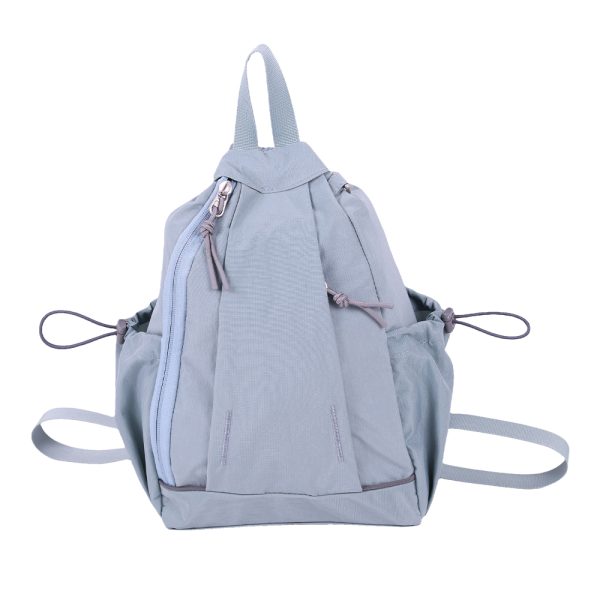
Final mile rules — get the delivery right
Don’t treat pre-shipment like an afterthought. Sample a random batch, check seams, test zips, weigh a dozen units. Packin’ matters; folded wrong, tops crease, straps tangle, returns rise. Set an acceptance checklist and stick to it: fabric weight, seam allowance, strap webbing width, zipper torque. Arrange logistics with margin — delays happen. When damage shows up, trace it to process and fix the step for the next run.
Come back to whut works
Problems are honest. Face ’em with clear specs, good prototypes, and real-world trial. Do that and yer product lines stop bein’ surprises and start bein’ dependable. When the design fits the use and the maker knows how to hold a stitch, you get bags that keep folks carryin’ ’em — like what you’d expect drop-in from ChangRong.