
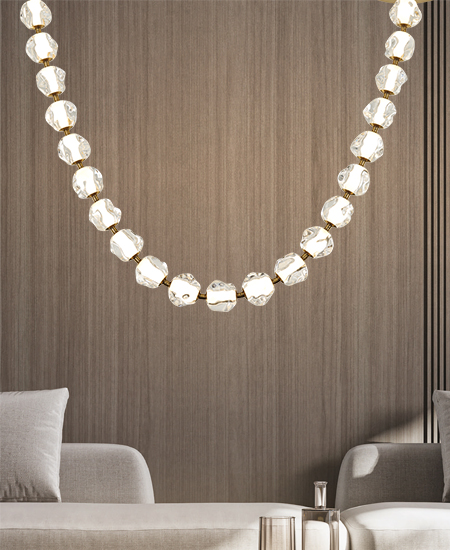
Lights On, Dinner Off: Why Your Island Still Feels Dim in All the Wrong Places
A typical weeknight scene: you’re chopping veggies, the island looks bright, but your cutting board sits in a sneaky shadow. Our designer lighting company hears this every week—“I bought beautiful pendants, and my island still has glare.” One recent survey says a majority of homeowners tweak lighting after move-in, often due to hotspots and uneven beams. So, if we’re spending more on style than ever, why does function still fall short?
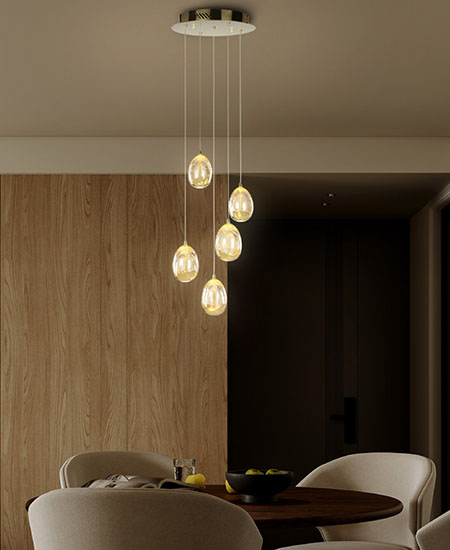
(Here’s a twist.) We obsess over finishes and shapes, yet skip basic photometrics and control. Even a set of designer pendant lights for kitchen island can underperform if beam spread, color temperature, and dimming aren’t aligned with your layout. And yes, the wrong driver-to-dimmer pairing can cause flicker—funny how that works, right? The real question is simple: are we choosing pendants like fashion, or specifying them like tools? Let’s compare what’s pretty with what actually works—and see where technology flips the script.
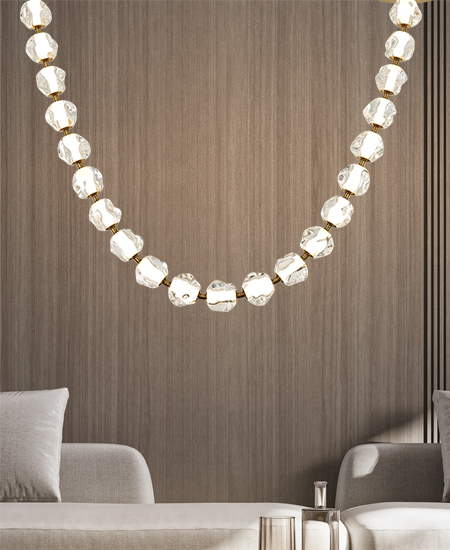
Under the Shade: Hidden Pain Points Most Buyers Don’t Notice
Why do great pendants still miss the mark?
First, light physics doesn’t care how gorgeous a fixture is. Beam spread, mounting height, and counter width must agree—or you get scallops, glare, and shadow voids. With designer pendant lights for kitchen island, the usual culprits are tight optics, low color rendering index (CRI), and drivers that hate your phase-cut dimmers. If luminous flux is high but the optic is narrow, brightness looks “wow” yet tasks stay dark. Pair that with mismatched power converters and you’ll add flicker at low levels. Look, it’s simpler than you think: match beam angle to island depth, use consistent CCT, and check driver compatibility before you fall in love with a finish.
Second, kitchens are dynamic. Islands host knives at noon and laptops at night. Fixed-output pendants struggle with that swing. Without smooth dimming curves, task mode feels harsh and dinner mode feels flat. Thermal management also matters; overheated LEDs shift color and output over time—tiny drift, real impact. And the ceiling junction box? It often locks you into poor spacing. Modular canopies or low-voltage rails solve this, but they’re rarely considered upfront. Add smart controls and edge computing nodes, and you get room-aware dimming that respects daylight and traffic flow—no more light wars when someone opens the fridge at 2 a.m.
Beyond Pretty: How New Principles Turn Pendants into Precision Tools
What’s Next
Here’s the forward-looking shift: pendants are becoming calibrated instruments, not just decor. The new baseline blends optics, controls, and serviceability. Think tunable-white engines with stable drivers, mapped by simple photometric plans. Then add local smarts—edge computing nodes that learn scenes, adjust output per surface reflectance, and avoid flicker by coordinating drivers and dimmers upstream. It’s a quiet evolution, but the result is huge: consistent CRI, balanced glare index, and repeatable lighting scenes that actually fit your life. Collaborating with thoughtful lighting design manufacturers means you get beam options, compatible control protocols, and replacement paths—not a one-way ticket to buyer’s remorse.
To choose well, compare on three metrics. 1) Photometrics: check beam angle, spacing-to-mounting-height ratio, and lumen maintenance—if the data’s missing, that’s a flag. 2) Controls: verify driver type (constant-current or constant-voltage), dimming method (0–10V, DALI, or phase-cut), and low-end trim to kill shimmer—yes, it matters. 3) Build and service: thermal design, field-replaceable drivers, and documented part numbers save you later. Summing up: style draws you in, specs keep you happy—and the right tech connects the two. Give your island a plan, not a guess, and the room will feel bigger, calmer, and more useful—funny how that works, right? For a grounded, non-hype perspective, start with kinglong.