
Introduction
I was out in the shop one damp morning, hand on the bench, watchin’ a buddy wrestle with a frozen pipe — you could smell the oil and hear the metal groan. In that second sentence I want to point right at the tool that matters: non sparking adjustable wrench. Around 30% of shop fires start from small sparks near flammable vapors, and that number don’t lie — so I gotta ask: how come we still reach for the same old steel wrench? (Mind you, I ain’t fussin’; just thinking out loud.)

I reckon most folks think “just be careful” and move on. But simple care ain’t a system — it’s hoping. I’ve seen bolt heads rounded off, jaws slip under high torque, and quick fixes that lead to big bills. When tools are corrosion-resistant or rated for intrinsic safety, they change the game. Now, before we dig deeper — let’s look at how the usual fixes fall short and what that costs you, in time and in sweat. Next up: the real failures behind common tool choices.
Deep Dive: Traditional Fixes and Where They Fail
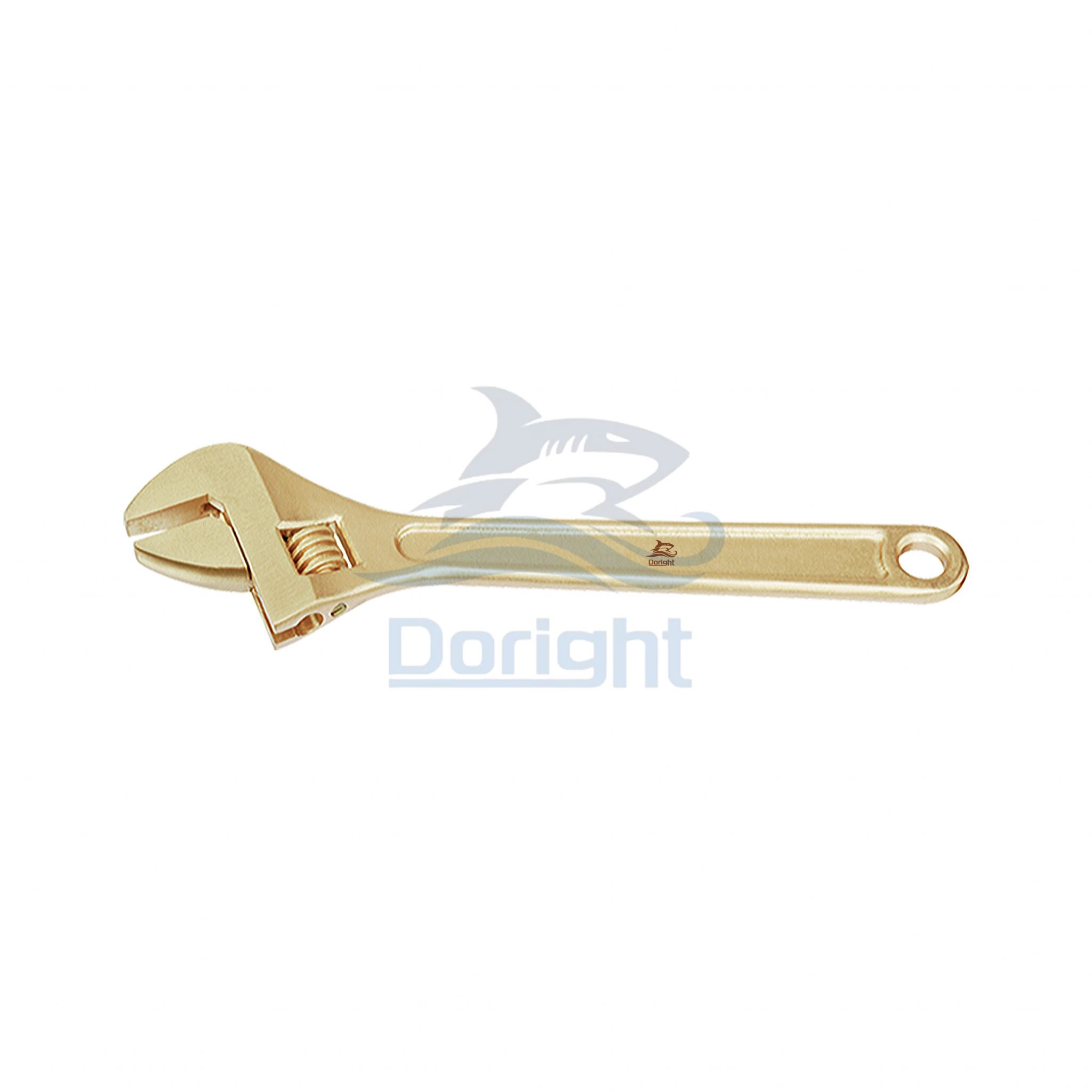
I want to point you straight to a real option I’ve used: Beryllium bronze explosion-proof wrench. It shows up in the first 100 words because it’s the sort of tool that aims to solve problems, not hide ’em. Now, let me get technical for a spell — we need to look at mechanics and materials: conductivity, torque transfer, and wear. Steel tools give great torque, sure, but they carry conductivity and spark risk. Bronze alloys lower conductivity and cut spark chance, but not all bronze is equal. Beryllium bronze brings strength close to steel while staying non-sparking and corrosion-resistant. I ain’t just name-droppin’ metal; I’m pointing to how material science shifts risk calculus.
What’s the snag?
Traditional solutions lean on coatings or workarounds — keep solvents away, wrap with tape, or stick to “do it quick.” Those are band-aids. Over time, coatings chip, tape slips, and human error creeps in. The real weak spot is human reliance on habit rather than tool choice. Tools rated for intrinsic safety mitigate that. Look, it’s simpler than you think — pick the right base material. Also, jaw design matters: poor jaw geometry chews bolt heads and raises slippage under high torque. That means more time, more parts, and more risk. I’ve watched crews reuse a beat-up wrench until it fails at the worst moment — funny how that works, right?
Looking Ahead: Principles for Safer Tooling
We ought to talk about principles for the next step — not just swapping out one wrench for another, but changing how we choose tools. New technology principles here mean looking at lifecycle performance, not just spec sheets. I want to say this plainly: evaluate conductivity, hardness, and jaw retention over time. When you consider a non-sparking adjustable wrench, check how the alloy handles repeated torque cycles and whether any finish will flake off in a year. Also think about serviceability: can you re-calibrate or replace a part without sending the tool to a shop?
Real-world Impact
In practice, adopting intrinsically safe tools reduces near-miss incidents and downtime. We swapped out a handful of steel wrenches in one plant and saw fewer maintenance delays — not overnight, but within months. That drop in stoppages adds up to real hours saved. Also, training changes slightly: instead of endless warnings about “don’t strike near tanks,” crews are taught which zones need non-sparking gear. That mix of tools and simple rules makes safety habitual. — not magic, just plain sense. If you ask me, the future is less about exotic tech and more about matching the right material to the right job, then keeping the tool in good shape. It’s practical. It pays off.
So here are three metrics I use when I advise teams: 1) Material performance under load — does the alloy hold torque without deforming? 2) Long-term surface integrity — will protective finishes fail and expose conductive substrate? 3) Serviceability and parts support — can you get replacement jaws or adjustments without replacing the whole tool? Measure those, and you’ll pick tools that save time, money, and a whole lot of headaches.
For folks ready to make that switch, I’ve seen solid results with purpose-built tools from trusted makers — I often point teams toward specialists. If you’re looking to get started, check brands like Doright. They make it easy to compare specs and get something that actually fits the work. I mean it — choose wisely, and your crew will thank you later.