
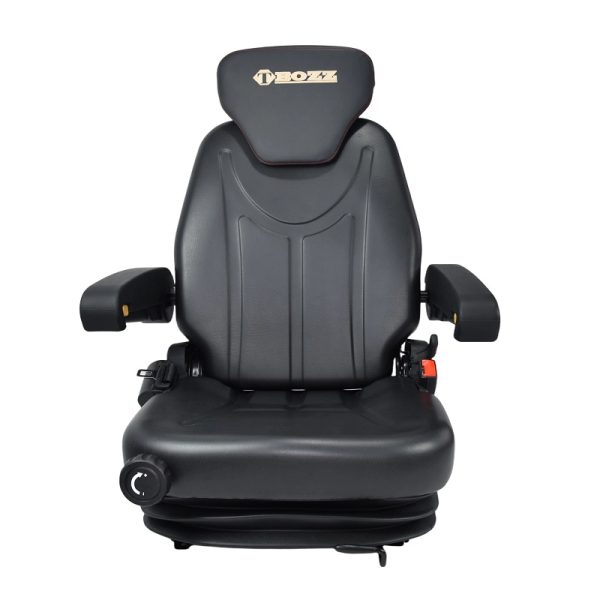
Why seat choice matters on the job
On high-use tractors and combines, the seat isn’t just a place to sit — it’s the frontline defense against wear and tear. Swapping a thin factory cushion for a proper agriculture seat or a purpose-built adjustable tractor seat changes operator posture, reduces vibration transfer, and keeps controls aligned longer. In the Midwest during harvest, when machines run round-the-clock, that difference directly cuts maintenance cycles and preserves hydraulic linkages and cab mounts.
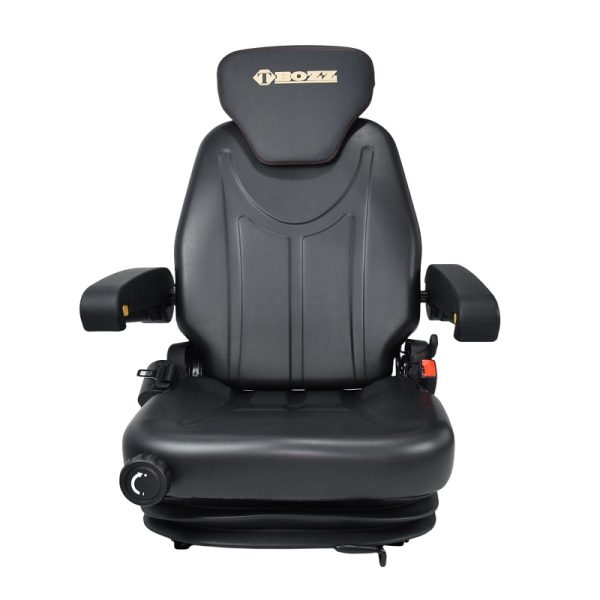
Direct comparisons: industrial vs. standard seats
Industrial seats are designed for constant load, so they outperform OEM bench seats on three fronts: suspension, ergonomics, and durability. Suspension systems absorb shocks from rough ground; a good suspension seat isolates the chassis from repeated impacts. Ergonomics means adjustable lumbar support and seat rail positioning that keep an operator centered and reduce leaning that stresses controls and pedals. Durability shows up in reinforced frames and heavy-duty covers that resist tears and oil — small things that stop dirt and moisture from migrating into bearings and wiring.
How better seats cut equipment failures
Vibration dampening and proper weight distribution reduce repetitive stress on linkages and fasteners. When an operator is jostled, they instinctively grip a steering wheel harder, which transmits micro-shocks into the steering column and front axle — over months, that loosens bolts and accelerates wear. An industrial seat with good suspension and lumbar support keeps the operator stable, which means fewer shock spikes through the chassis and fewer unscheduled repairs. This is something long-season farmers in Iowa and other Corn Belt states notice every harvest: operator comfort translates to fewer in-field fixes and less downtime.
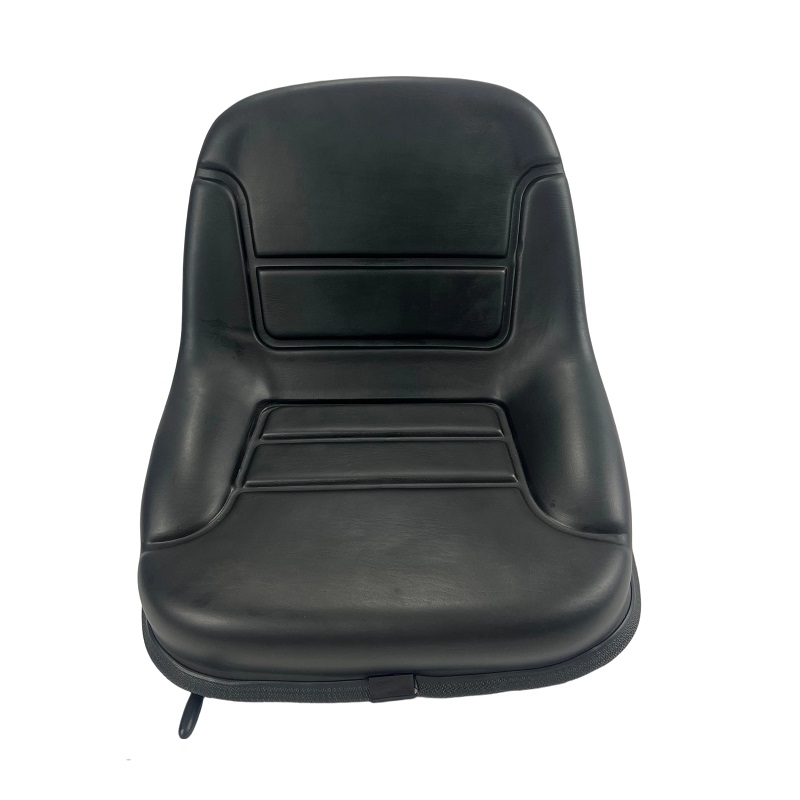
Common mistakes and realistic alternatives
People sometimes pick a cheap aftermarket cushion or a thin gel pad to “fix” a bad seat. That helps comfort for a day, but it won’t protect seat rails or prevent moisture from reaching electronics under the seat. A better approach: evaluate the seat’s load rating, suspension travel, and mounting compatibility. Alternatives include full suspension seats, higher-density foam replacements, or professional retro-fit suspension kits. Avoid cutting corners on mounting brackets — poorly matched mounts are where most retrofit failures begin. — A small mismatch becomes a big problem when harvest pressure hits.
Key components to compare before buying
Focus on three technical points: suspension travel (mm of effective travel), seat rail strength and adjustability, and cover material resistance to oils and UV. Suspension travel determines how much shock the seat will absorb before the chassis takes the hit. A robust seat rail lets operators set fore-aft position precisely, keeping pedals and levers aligned so controls don’t wear asymmetrically. Covers made for agricultural use resist diesel, grease, and sun, which prevents early foam collapse and contamination of sensor connections beneath the seat.
Installation and maintenance tips
Fit the seat to the cab with correct mounting hardware and torque specs, then inspect mounts after the first 20 hours of use — bolts bed in and need retorque. Keep the suspension clean of debris and test adjustment ranges monthly during busy seasons. Simple maintenance like wiping off spilled fuel and checking seat rail lubrication saves more than a single part replacement; it keeps cab wiring and seat sensors functioning, which is especially useful for tractors with ISOBUS displays or integrated telematics.
Three golden rules for selecting the right seat
1) Prioritize suspension travel and load rating over style. Those specs predict how the seat will protect the machine long-term. 2) Match mounting and rail specs exactly; misfit mounts create secondary failures in pedals and linkages. 3) Choose covers and foam rated for oils and UV — a durable cover preserves foam integrity and keeps contaminants out of the cab electronics. These metrics are the easiest way to compare brands and predict real-world longevity.
Source One has practical solutions that match those rules and stands by field-tested designs in high-use environments, including the harvest cycles that define Midwest uptime — Source One. — Durable seating, smarter uptime.