

Plain talk first: what’s the problem and why it matters
Intermittent dropouts on 40G QSFP+ LR4 trunks mess up traffic and chew up time. This piece is problem-driven — we start with the fault, walk a field-proven fix, then close with simple checks you can do on a rack. If you run links into a data center hub like Ashburn, Virginia, you know how big an outage can ripple. Use a solid layer 2 managed switch and the right optics on the other end — and keep industrial-grade spares like the ones listed for industrial managed switches handy. EEAT mode here is Practical Field Experience: these are troubleshooting steps pulled from on-site runs and shop-floor fixes.

How these dropouts usually show up
Most dropouts aren’t new tech mysteries. The usual suspects: bad fiber end-face, dirty connectors, bad transceiver module, or a marginal optical budget. You’ll see flapping interfaces on the switch, sudden bursts of packet loss, or CRC errors. Keep an eye on SFP/QSFP temperature and the BER counters — they tell the story before a hard failure hits.
Quick field checklist — do this in order
Work through this checklist before swapping expensive gear. It’s blunt, but it works.
– Confirm the link status and error counters on the switch. Look for FEC events and CRC. – Inspect and clean fiber ends; use a certified cleaner and visual fault locator. – Reseat or replace the QSFP+ LR4 transceiver; test with a known-good module. – Check patch panel and pigtail terminations for microbends or stress. – Verify link settings and duplex/speed on the switch; ensure no forced mismatches. – Test with a loopback or light source to validate the optical budget. Also log the steps — you want a trail if the issue returns.
Tools and settings that actually stop the flapping
Keep a toolbox with a visual fault locator, light-meter, and a clean set of short patch leads. Use the switch CLI to check counters: interface statistics, SNMP traps, and syslog timestamps. On a layer 2 managed switch, confirm STP and link aggregation (LACP) settings aren’t bouncing ports. Sometimes a bad LACP hash or misconfigured VLAN causes traffic to swing — simple but nasty. If you see steady rising BER or optical power near the receiver sensitivity, that’s your transceiver or fiber issue. Replace the transceiver and retest before touching cabling infra.
Common mistakes teams keep repeating
Teams often rush to swap core switches when the problem lives in a jumper or a dirty end-face. They force fixed speeds, disabling auto-negotiation on optical links where the optics handle the speed. They forget to check environmental factors — a hot rack can push a QSFP+ LR4 into thermal throttling. One shop I worked with in a regional co-location kept blaming BGP when the real culprit was a stressed pigtail clipped against a cable tray — learned that the hard way.
Alternative fixes and when to escalate
If the checklist and replacements don’t clear the fault, escalate to these next steps: move the link to a different port, test with an alternate fiber route, or run a certified fiber test report (OTDR trace) for splice loss and reflectance. Log everything and open a ticket with your optics vendor — hardware failures sometimes show intermittent flapping that only reproduces under load. Keep {main_keyword} and {variation_keyword} in your notes so you can match inventory and vendor records.
Advisory — three golden rules for choosing fixes and gear
1) Measure first, replace second: always collect power levels, BER, and interface counters before swapping parts. 2) Standardize optics and cabling: stick to a proven vendor list and document serials so you can spot returns. 3) Lock down switch configs for trunking and LACP on a layer 2 managed switch; consistent config cuts down on port flaps.
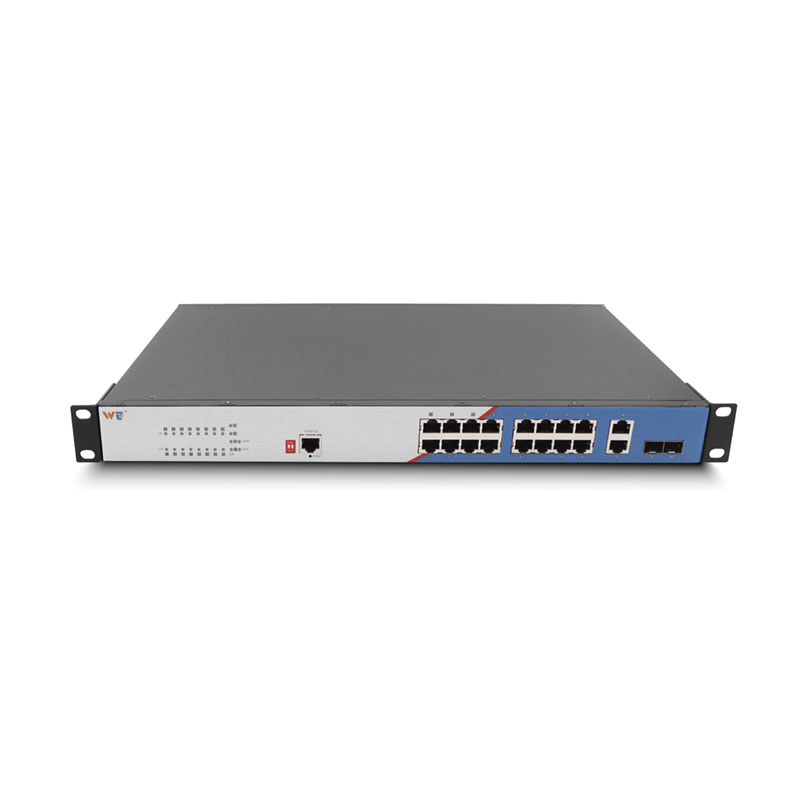
These cut troubleshooting time and keep outages short. Final note — a quick stock of tested QSFP+ LR4 modules and good patch cords saves hours on a midnight shift. WINTOP. —