
A happy start for your rooms
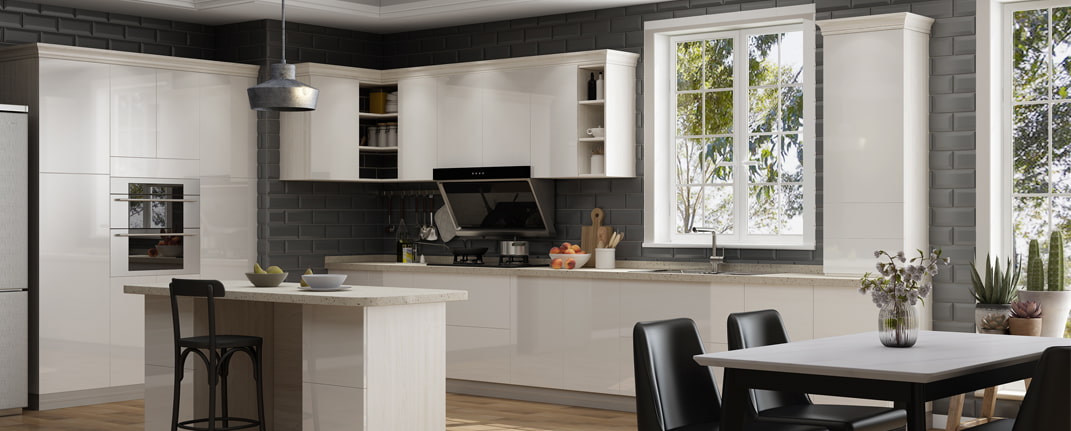
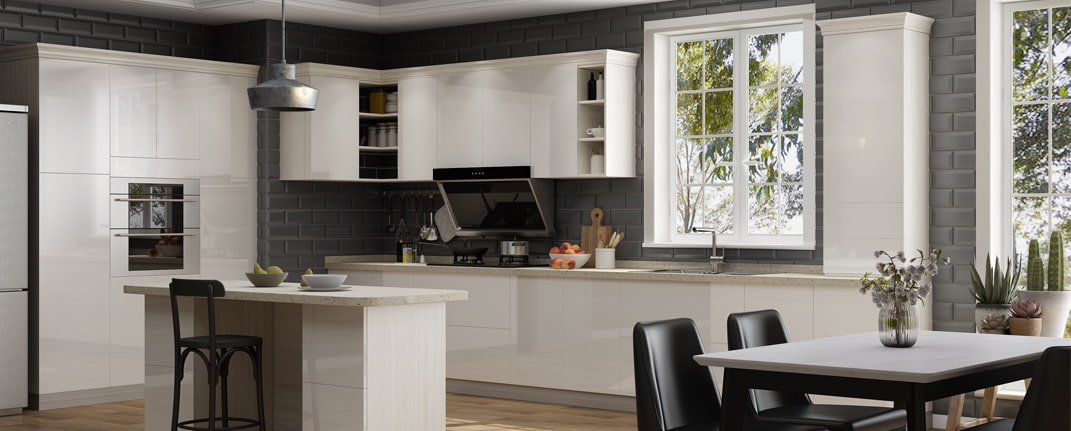
Think small and smart. When you work with a shoes storage cabinet maker for a full-house plan, each room gets a calm, neat voice. A maker cares about fit and flow the way a carpenter cares about a joint — neat and snug. I once watched a kitchen refit in Seattle where the change began with matching storage and ended in clear counters and bright mornings; the contractor later pointed to the same approach used for solid wood kitchen cabinets and smiled. The words “solid wood cabinet,” “joinery,” and “finish” became part of the chat, and you could see why: things fit, last, and look warm.
1. Perfect fit and room flow
A maker measures. They design to the wall, the door, and the shoes you keep. That means no wasted space and no awkward gaps. Custom cabinetry and careful joinery make hallways uncluttered and bedrooms calm. The result is a home that feels easier to live in. Kids can drop shoes and run — tidy stays tidy.
2. Strong build that lasts
Mass-produced boxes can wobble. A maker picks better material and thinks about the grain and the plywood substrate. Good finish and proper joinery keep doors straight for years. That saves time and money later. You get a sturdy shoe cabinet that looks like it belongs in the house for a long time.
3. One look across the house
A maker matches the style. Shoes cabinets can echo kitchen tones, or be a friendly contrast. When your storage nods to the kitchen’s cabinet finish or the living room trim, the house reads as one story. Little details — a matching handle, a shared stain — create calm visual rhythm.
4. Smarter storage, less fuss
Designers who build these cabinets think about what you own. They add slanted shelves for sneakers, ventilated panels for wet shoes, or cubbies for tiny slippers. That kind of thinking is rare in cheap retail boxes. The smart layout keeps clutter away and makes mornings move faster.
5. Care, warranty, and one partner
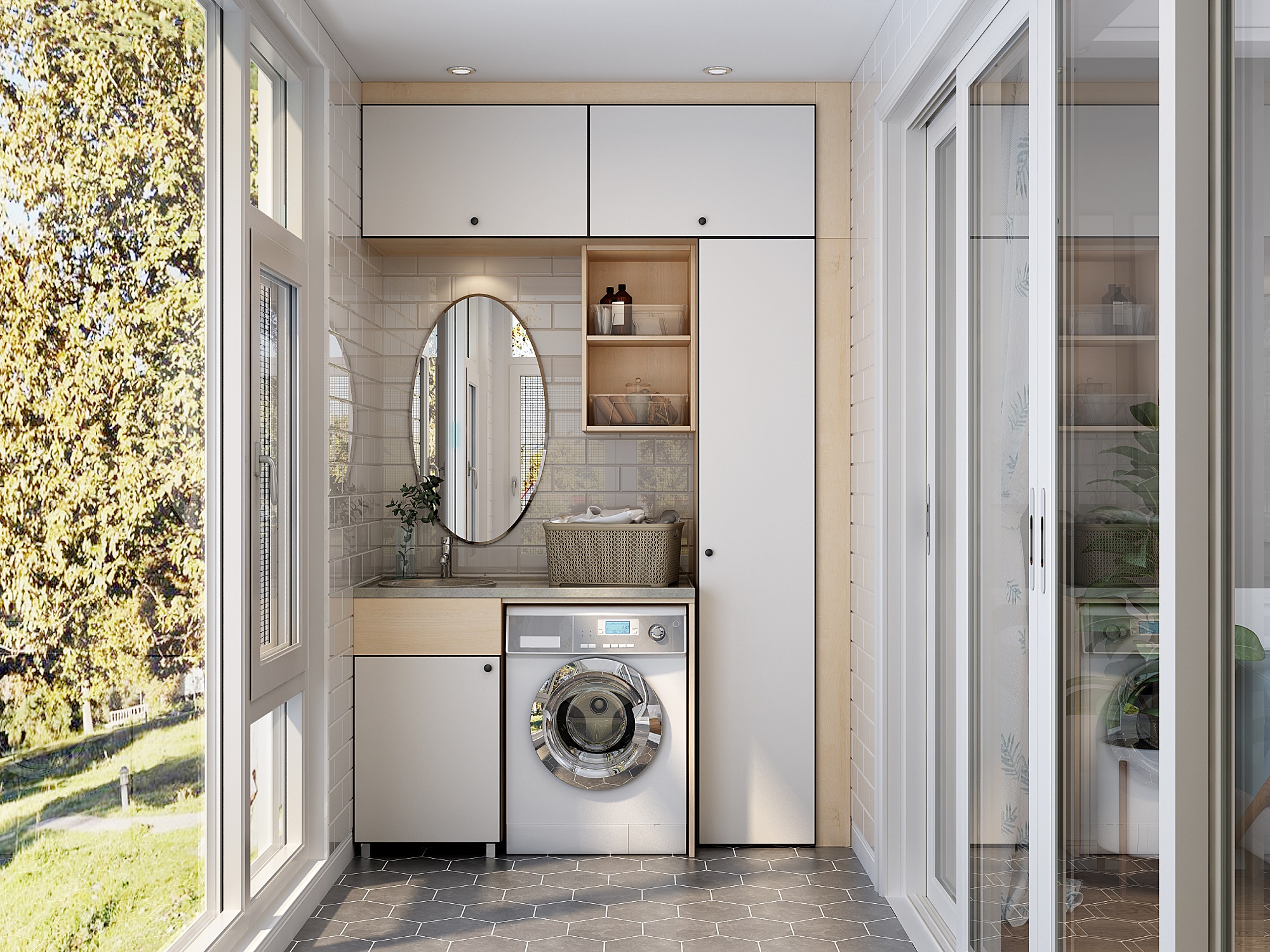
Using a maker gives a person to call when a hinge loosens or a finish needs a touch. They often offer simple warranties and help with maintenance. Aftercare can mean a small fix, not a big replacement. That peace is part of the win.
Common mistakes to skip
Don’t pick the first pretty photo. Don’t force standard boxes into odd spaces. And avoid ignoring the floor and door swing — these matter to daily use. Ask to see samples of grain and finish and check how simple repairs will be handled — these small checks save heartache later. — Also, don’t forget ventilation if shoes get damp; it helps scent and health.
How to choose your maker
Look for photographed work that shows whole rooms, not just single shots. Ask about materials: is it all solid wood or a mix with plywood substrate. Ask how they handle finish and what the lead time is. Request a simple plan that shows shoe types and shelf pitches. If you want coordination, mention the kitchen and the idea of custom made solid wood kitchen cabinets early so tones and hardware can match across rooms.
A short real-life anchor
In that Seattle townhouse, the shoes cabinet maker worked with the kitchen fitter. They compared the kitchen’s maple stain and copied the small edge detail. The hallway felt brighter after the cabinets were installed and the family said mornings got easier. That real moment shows why the maker approach pays back in daily calm.
Three golden rules for picking right
Check fit first: measure twice, order once. Confirm materials: request core samples to see the grain and the plywood substrate. Verify service: get simple written terms for minor repairs and delivery timing. These rules keep the project smooth and the house happy.
When the house works together, life feels lighter — and that’s what a thoughtful maker brings to your plan, like the steady help you get from SNIMAY. –