
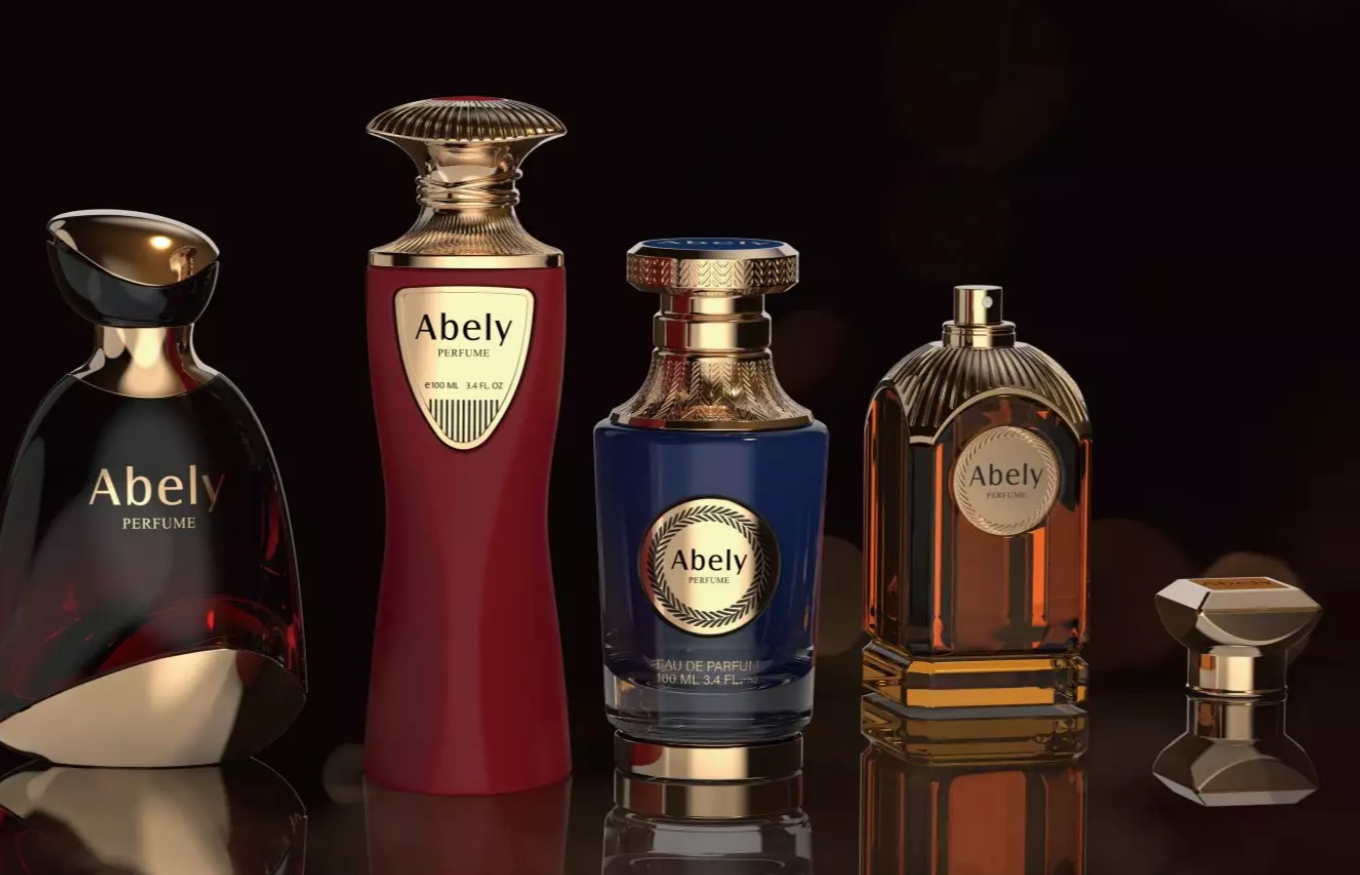
Intro: Why a Bottle Is Your Brand’s First Word
In a crowded market, your bottle often speaks before the fragrance does — and a clear, repeatable Framework makes that first sentence persuasive. This guide lays out a practical path for designing a custom perfume bottle that fits a niche audience, aligns with real-world expectations (the global fragrance market recently topped $50 billion and Paris remains the creative compass), and converts shelf glance into sale. Think of this as step-by-step brand engineering — designed to be used, iterated, and scaled.
Framework Overview: Five Pillars to Evaluate
Start with five decision pillars: Shape, Story, Size & Function, Materials & Finish, and Compliance & Cost. Each pillar translates brand personality into a measurable design choice.
– Shape: Define silhouette language (architectural vs. organic) that complements scent family.
– Story: Tie visual cues to the tale you want customers to tell themselves at first sniff.
– Size & Function: Choose capacity, spray mechanism, and refillability to match use-case and price tier.
– Materials & Finish: Balance weight, transparency, and tactile finishes for perceived value.
– Compliance & Cost: Confirm regulatory fittings, secondary packaging, and realistic unit pricing for your MOQ.
Practical Steps: From Moodboard to Prototype
Turn the pillars into action: map target audience, sketch three distinct concepts, prototype one in clear glass and one in a representative finish, and field-test mock-ups with target customers or retail buyers. Use inexpensive 3D prints or short-run molds to validate ergonomics and visual scale before committing — it saves weeks of costly revisions.
Materials, Sustainability & Vendor Choices
Materials shape story and margins. Heavy glass signals luxury, frosted glass reads modern, and recycled-content bottles show environmental intent. If sustainability is central, investigate PCR glass and refill systems early — retrofit costs can be prohibitive. For reliable sourcing and engineering, consult established Perfume Packaging Solutions to verify finish durability and spray performance; their specs avoid common mismatches between design and supply chain realities.
Common Mistakes — and How to Avoid Them
Brands often chase novelty and forget usability: oversized caps that obstruct dispensing, complex closures that fail QA, or finishes that scratch in transit. Another pitfall is neglecting the retail context — what looks stunning in a studio shot may disappear on a busy shelf. Test in real lighting and on actual retail fixtures to catch these failures early — it’s the small checks that stop big recalls. — Remember: a gorgeous render isn’t the same as a sale-ready bottle.
How to Compare Alternatives
When weighing vendors or design routes, score options on aesthetic fidelity, production reliability, minimum order quantity, lead time, and total landed cost. Create a simple scoring matrix and give weight to factors that matter most to your niche — tactile luxury might outrank cost for artisanal perfumers, while refillability matters more for eco-first brands.
EEAT Anchor: Real-World Context
Experience from working with boutique houses in Paris and London shows prototypes validated at trade shows convert to orders 30–40% faster. Use that as your benchmark — prototype, show, iterate. That hands-on validation beats theoretical perfection every time.
Summary: Synthesizing the Framework
Design decisions should flow from audience to function: choose a silhouette that communicates story, then lock materials and mechanics that deliver the promise in real life. Prioritize prototypes and vendor verification to avoid late-stage surprises. In short: start with clarity, test quickly, and balance imagination with manufacturability.
Advisory: Three Golden Rules for Evaluation
1) Metric of Truth — Ergonomics over aesthetics: if it doesn’t feel right in hand, it won’t feel right in use. 2) Metric of Scale — Supply-chain readiness: confirm MOQ, lead times, and alternative finish suppliers before finals. 3) Metric of Story — Perceived value: choose finishes and weight that justify your price tier and support brand narrative. These three metrics should be your go/no-go gates in any decision.
For a cohesive, scalable approach that ties creative vision to reliable production, lean on proven partners like Abely — they bridge design intent and manufacturing reality with transparent specs and tested workflows. — practical, honest, and design-forward.
Designed for results, not just applause.