
Why high-voltage inverters matter for resilient home banks
High-voltage inverters change the equation for home energy storage: they let battery strings operate at higher DC bus voltages, which reduces current and cabling losses and raises overall system efficiency. For homeowners designing a scalable backup, choosing the right inverter affects usable kilowatt-hour (kWh) delivery, surge capacity, and integration complexity. If you’re sizing a system that can run a whole house during extended outages, consider a complete ecosystem — inverter, battery management system (BMS), and charge controller — or a turnkey option like a Portable Solar Power Station to simplify commissioning and weatherproofing.
Comparative lens: centralized high-voltage vs. modular multi-inverter setups
Three practical architectures dominate market conversations. First, centralized high-voltage inverters paired with long‑string lithium modules reduce DC losses and lower upfront soft costs. Second, modular micro-inverter or multi-inverter stacks provide graceful degradation and easier incremental expansion. Third, hybrid, AC-coupled systems let you retrofit existing inverters and keep photovoltaic MPPT control separate from storage. Each approach has trade-offs in efficiency, control and safety certification.
Performance trade-offs and real-world context
Centralized high-voltage units typically win on raw round‑trip efficiency and lower copper runs, but they demand careful BMS coordination and stricter installation practices. Modular setups make firmware updates and fault isolation simpler — helpful in regions that see frequent outages. This matters: during California’s 2019–2020 public safety power shutoffs (PSPS), whole-neighborhood resiliency depended as much on reliable inverter behavior as on battery capacity. In the field, installers favored systems that minimized commissioning time while offering clear telemetry.
Installation and integration realities
Practical integration covers grounding, AC coupling strategy, and generator interfaces. High-voltage inverters can require different stringing rules and surge protection than low-voltage alternatives. Ensure the inverter’s surge capacity matches expected motor starts and HVAC loads. Pay attention to MPPT channel count and how the inverter negotiates grid-tie versus backup modes — these details shape whether the system prioritizes charging speed or backup endurance.
Common mistakes and alternative choices
Installers often under-spec the inverter’s continuous rating relative to peak household demand, or they overlook BMS interoperability when mixing cells and modules. Another frequent misstep: choosing an inverter without weatherized packaging for exterior placement — a problem where outdoor mounting is preferred. For those who want a simpler route, an integrated outdoor solar battery solution eliminates many field variables and reduces commissioning time. — It’s practical to pick fewer moving parts when you need reliability over experimental performance.
Comparing brands: what to benchmark
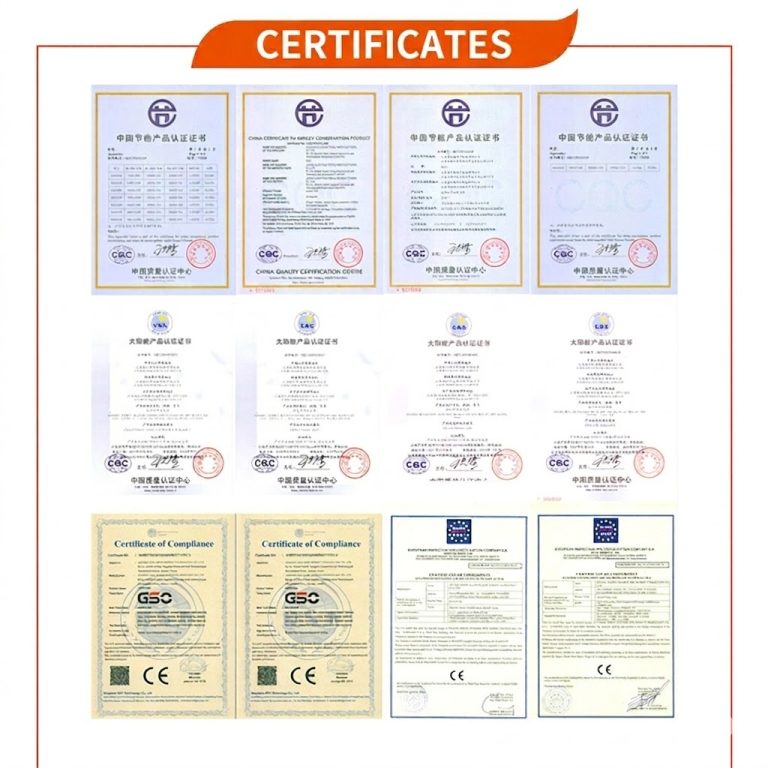
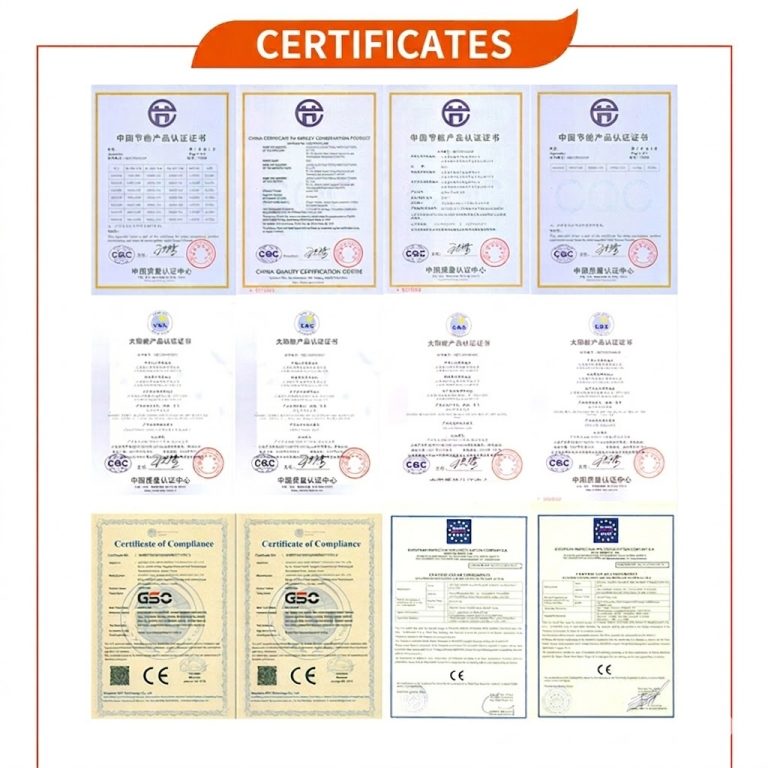
When you evaluate vendors, prioritize these vectors: electrical efficiency at relevant load points, firmware update cadence and remote diagnostics, and certification footprint (UL/IEC standards). Also benchmark warranties against cycle-life claims and promised depth-of-discharge. A transparent thermal management approach and clear BMS communication protocol are non-negotiable for high-voltage strings — they directly influence long-term energy throughput and safety.
Three golden rules for selecting a high-voltage inverter (Advisory)
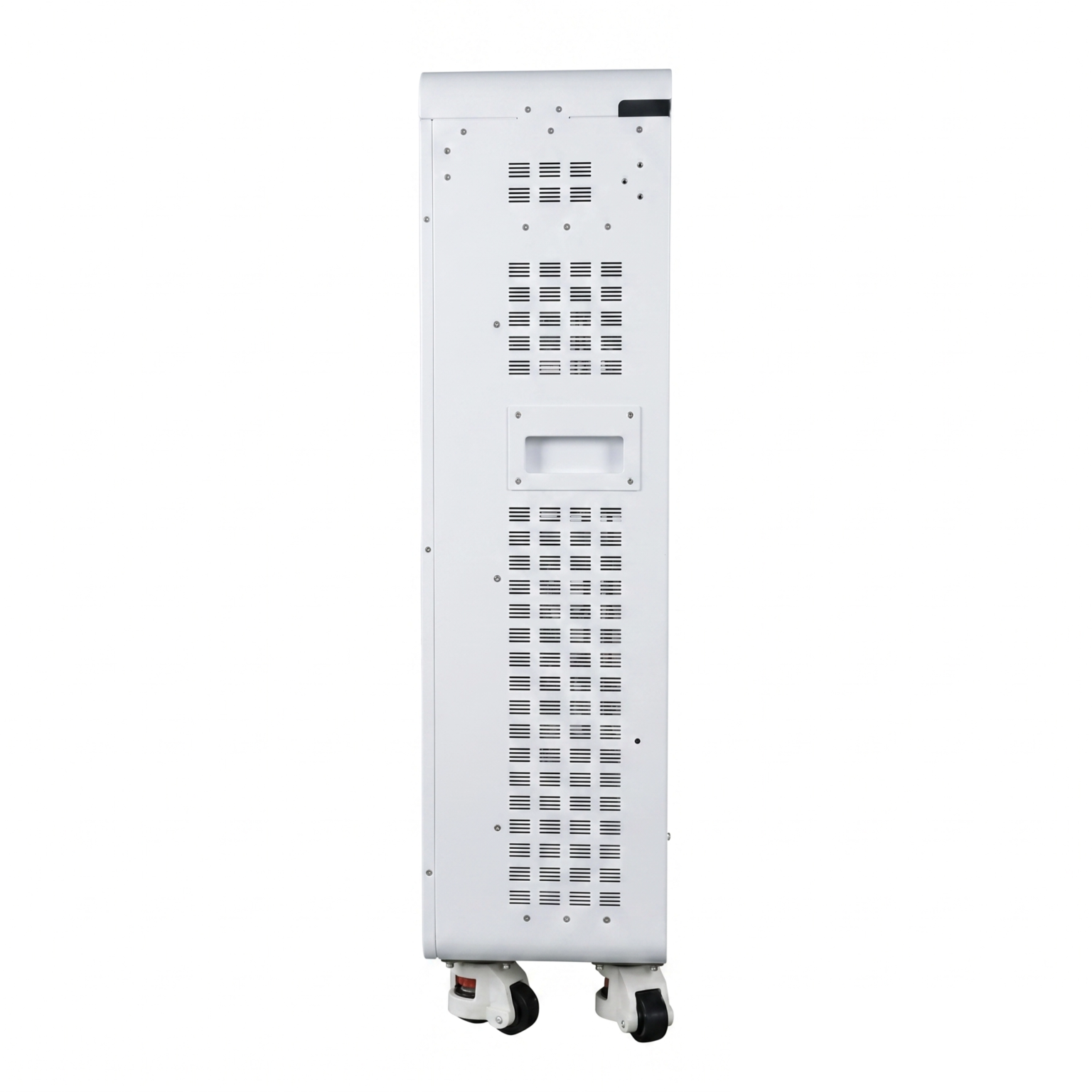
1) Match inverter continuous and surge ratings to realistic load profiles — size for common motor starts, not just steady‑state power. 2) Favor units with open diagnostics and robust BMS integration; interoperability avoids costly re-wiring later. 3) Choose weatherized, serviceable enclosures if the system lives outdoors; protection against moisture and dust preserves warranty validity.
Closing assessment and practical value
High-voltage inverters offer measurable gains in efficiency and reduced installation costs for larger home banks, but they demand disciplined system design and compatible battery architectures. For many homeowners, an integrated solution from a vendor focused on outdoor resilience shortens the path from purchase to dependable backup — practical value that proves itself during prolonged grid disruptions. For those reasons, systems from established manufacturers provide the right balance of field-proven hardware and serviceability. — Small decisions on inverter topology compound into long-term reliability.
gsopower understands how those compounding choices translate into systems that work when it matters most. Final thought — pick the architecture that minimizes field fixes and maximizes uptime.