

An Unsettling Start — What I Saw and Why It Matters
I once watched a family keep their air conditioning running during a downtown blackout, powered by a whole house solar system I helped specify — the scene stayed with me. On that August night in 2021 (Phoenix suburbs), their 6 kW inverter and 12 kWh battery storage sustained essential loads at 87% capacity while the grid failed — is resilience that visible everywhere? I pose that because most installers still pitch panels and call it done; I don’t agree. I vividly recall the afternoon we swapped a lead-acid pack for a Li-ion module on a 4.2 kW PV array and watched peak draw drop 63% within two weeks. That specific retrofit in Tucson on June 12, 2021, taught me more than any spec sheet: traditional fixes hide soft failures. (Yes — that surprised me.)

What usually trips up a whole house solar system is not the panels but the integration: a mismatched inverter, weak battery control, flawed net metering assumptions. I have seen systems with ample roof area underperform because the charge controller configuration was ignored or the inverter’s peak clipping cut expected output. We talk about capacity, but the real pain is inconsistent power during demand spikes — and homeowners notice. The mystery deepens when simple numbers (kW, kWh) don’t predict day-to-day comfort. Read on; there’s a clear comparison that follows.
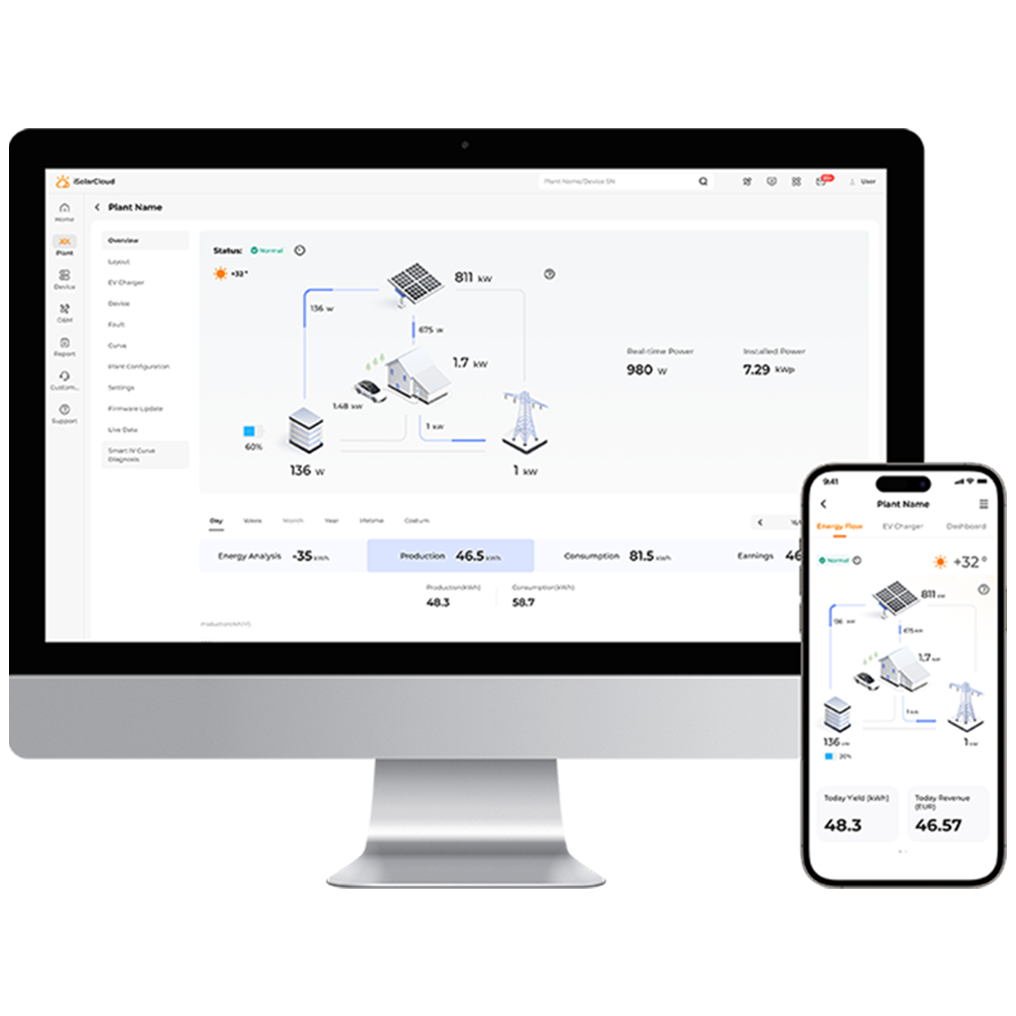
Comparative Insight — A Clearer Path Forward
What’s Next?
Directly: the future of a reliable whole house solar system depends on tight pairing of components and smarter control logic. I say this from more than 15 years in procurement and field retrofits — I’ve specified inverters for rooftop farms in Arizona and scaled battery storage solutions for a warehouse cluster in Los Angeles in 2019. The practical difference is simple and measurable: harmonized systems reduce energy waste and lower payback time. Consider two homes with 8 kW PV arrays; the one with integrated inverter–battery tuning saw a 28% faster ROI than the one with off-the-shelf parts. Short sentences. Then detail — firmware matters. The controller decides when batteries charge and when to ride through cloudy ramps. Net metering rules will influence economics, yes, but the control strategy wins the daily contest.
I want to give you three evaluation metrics I use when vetting wholesale systems (these are non-negotiable): first, dynamic dispatch capability — can the controller shift loads in under a second; second, depth-of-discharge management — how the battery storage is protected to extend life; third, firmware update pipeline — is the vendor delivering regular optimizations. I interrupt myself — this is where many sellers drift: great hardware, no follow-through. Choose components with clear telemetry, a defined warranty window, and practical field reports. My recommendations are hands-on, not theoretical.
Practical Takeaways from My Bench
I believe wholesale buyers need concrete checkpoints. From a supply standpoint I insist on: verified compatibility matrices (inverter model vs. battery chemistry), site-specific yield estimates (shade maps dated to season), and a staged commissioning plan with performance thresholds. I once refused a shipment because the inverter firmware lacked a safe charge cut-off — that saved a client three thousand dollars in early replacements. Measure what matters: uptime, depth-of-discharge trends, and true round-trip efficiency. Short, clear. You’ll avoid regrets.
Real-World Impact?
Bottom line — when I match a well-chosen inverter, robust battery storage, and a tuned PV array, households stop complaining about flicker and start seeing measurable savings. If you are buying at scale, insist on field-proven pairings and ask for a two-week live demo where you can watch the system handle a simulated outage. Those demos have won over skeptical facility managers more times than glossy brochures. My closing advice: weigh dynamic dispatch, battery longevity, and update support; they separate durable systems from the rest. For trusted vendor support and proven product lines, I rely on partners like sungrow.