
Quick take and why this matters
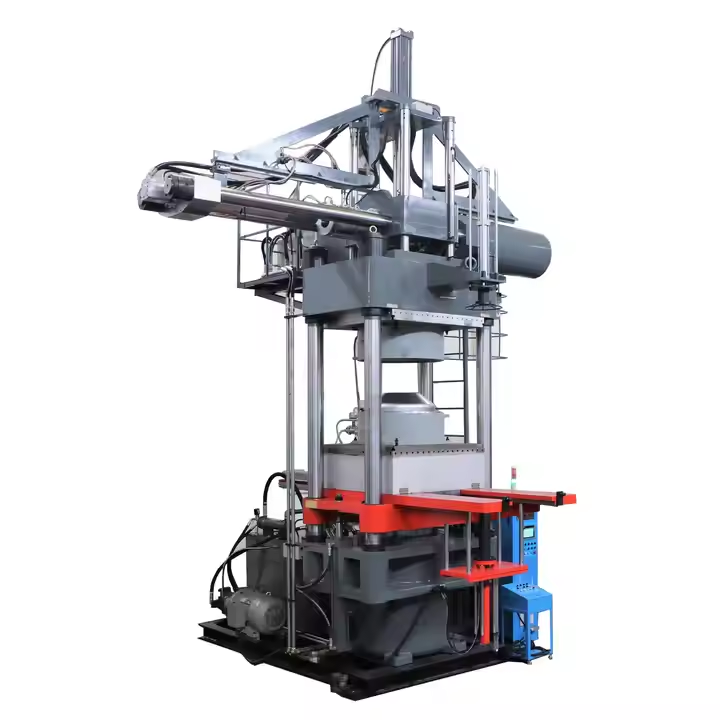
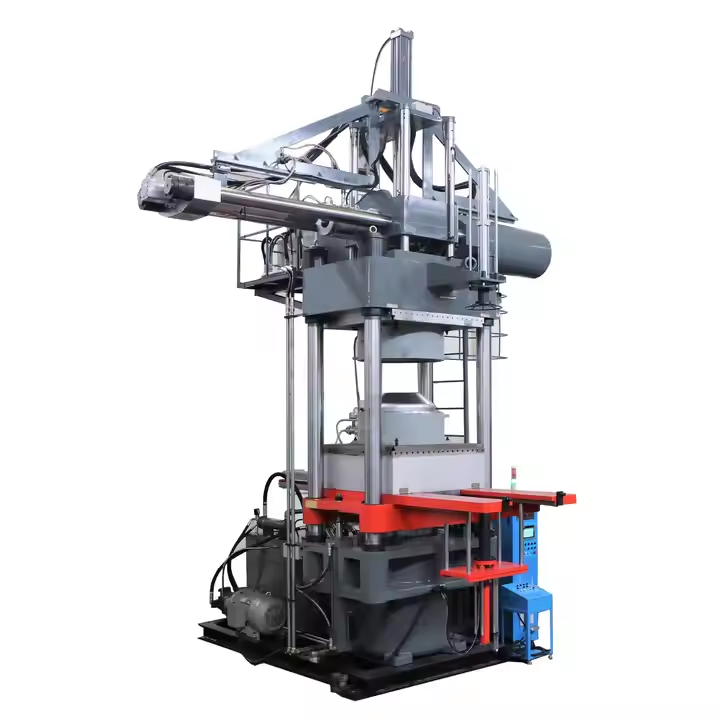
I’m cutting straight to the point: when you pick a molding configuration for EPDM or nitrile rubber, you’re balancing chemistry, part geometry, and production rhythm. For many teams — especially in automotive hubs like Detroit where weather-seals meet tight tolerances — choosing between injection molding and compression molding changes cycle time, scrap rate, and functional performance. If you’re looking at tooling options or machine spec, start by checking a solid machine partner such as custom rubber injection molding to match process capability to material behavior.
Material snapshot: EPDM vs. nitrile rubber (NBR)
EPDM is prized for ozone, UV, and hot-water resistance — it’s the go-to for weather-stripping and many HVAC seals. Nitrile rubber (NBR) brings oil and fuel resistance, so it’s common in fuel-system gaskets and hydraulic seals. EPDM tends to have a lower durometer range for soft sealing needs, while nitrile often requires tighter control on cure cycle to preserve chemical resistance. These inherent differences drive choices in mold design, tooling finish, and post-cure handling.
Molding configurations: matching process to material
Two big process families dominate: injection molding and compression (or transfer) molding. Injection molding gives fast cycle times and consistent flash control for complex profiles. Compression molding is simpler for large, low-volume parts and can tolerate some material variability. For EPDM, compression molding sometimes handles large extruded sections better; for nitrile, injection molding often produces cleaner inner diameters and better dimensional repeatability. Tooling choices — number of cavities, runner design, and venting — are where cost and quality collide. Partnering with experienced custom rubber molding companies reduces those blind spots.
Common mistakes and practical fixes
Teams often mismatch compound and process: using a low-viscosity nitrile run on a mold without proper venting produces burns or porosity. Another slip is underestimating post-cure needs — EPDM frequently needs heat-aging to reach stable properties. Tool steel finish gets overlooked; a rough cavity increases scrap and can trap molding flash. A straightforward fix is to prototype on a single-cavity tool and iterate on runner design before scaling up. Small adjustments in mold temperature and cure cycle usually yield the biggest quality gains.
Design trade-offs that actually matter
Decide what’s non-negotiable: chemical resistance, stretch, or tight tolerance. If oil resistance ranks highest, optimize nitrile compound and aim for shorter cure times to avoid over-vulcanization. If a long-lived outdoor seal is the priority, go EPDM with UV-stable additives and consider surface texturing to hide wear. Mold geometry influences shrinkage and must be calibrated against material shrink rates — don’t guess. Keep tool maintenance schedules tight; mold cavity wear changes tolerances fast.
Checklist for choosing the right configuration
Use this quick list when you evaluate suppliers or set specs:
- Match process to part complexity: injection for intricate profiles, compression for bulky shapes.
- Specify compound performance first, then optimize cure cycle and mold temperature around it.
- Set measurable quality gates: dimensional tolerance, surface defects, and functional leak test.
Advisory: three golden rules when you decide
1) Metric: Cycle-to-yield — track how many cycles it takes to produce a first-pass part within tolerance; lower is better and it’s a direct machine/process indicator. 2) Metric: Functional retention after accelerated ageing — measure seal integrity after thermal or chemical exposure relevant to the part’s end use. 3) Metric: Tool return rate — monitor how often molds need rework; frequent fixes signal a wrong process or poor cavity finish. These three metrics steer procurement and engineering choices toward repeatable production.
Closing thought
Make the material choice first, then pick the molding configuration that preserves that material’s strength while minimizing process risk — and let strong machine partners guide the tooling decisions. HWAYI sits squarely in that intersection as a practical resource for aligning machine capability, mold design, and consistent output: HWAYI. —