
Opening — the common worry, plain and simple
Folks often reckon vascular procedures are either always risky or no big deal — both wrong. The truth lies in who’s doing the work and what kit they use. When you look into vascular laser treatment or consider a clinic that offers laser vascular treatment, pick places that show their credentials, tech specs, and outcome tracking up front. That choice cuts risk more than any single gadget ever will.
Myth 1: “All lasers are the same”
People say a laser’s a laser — but that’s not the case. Different wavelengths and pulse durations suit different vessels. An Nd:YAG unit behaves differently from a pulsed-dye laser when treating telangiectasia. Using the wrong device raises the odds of burns, pigment changes, or no benefit at all. Certified providers match device to diagnosis; that’s no small thing.
Myth 2: “If it looks cheap, it’s fine” — why certification matters
Cheaper outfits may skimp on maintenance, calibration, or training. Certification means the clinic and device manufacturer meet standards for safety, documented maintenance logs, and staff competency. It doesn’t guarantee a perfect result, but it lowers avoidable harm. In short: price ain’t a reliable proxy for safety.
What certified providers do differently
They run test patches, keep detailed consent and aftercare protocols, and record settings like fluence and pulse duration for repeatability. They also use medically backed parameters for indications such as spider veins or small varicosities, and they track outcomes so they know what works. That record-keeping is practical evidence — not just talk.
Real-world anchor: what major clinics recommend
Big, reputable centers — think Mayo Clinic and university dermatology departments — list laser therapy alongside sclerotherapy and other options for superficial veins. Their guidance stresses patient selection and device choice, not a one-size-fits-all fix. That straight talk from established institutions is the sort of anchor you want when weighing treatment paths.
How the procedure generally goes — and where folks trip up
Typical steps are consult, test patch, treatment with cooling, and clear aftercare. Common mistakes are skipping the patch test, misunderstanding sun exposure limits, and failing to follow compression advice after treatment. Those slip-ups cause most complications — not the laser itself. —
Alternatives and when to pick them
Sclerotherapy works well for many small to mid-size veins and may be preferred for certain anatomical patterns. Endovenous thermal ablation is the go-to for larger refluxing veins. Laser therapy fills its niche: noninvasive treatment for superficial vessels where topical cooling and precise wavelength selection do the job. A good clinic will explain all options and why they favor one over another.
Common outcome measures clinics should share
Ask for a clinic’s complication rates, patient satisfaction data, and average number of sessions to reach expected clearance. Those three figures tell you whether the place knows its own work — and whether the results are repeatable.
Golden rules — three evaluation metrics for choosing a provider
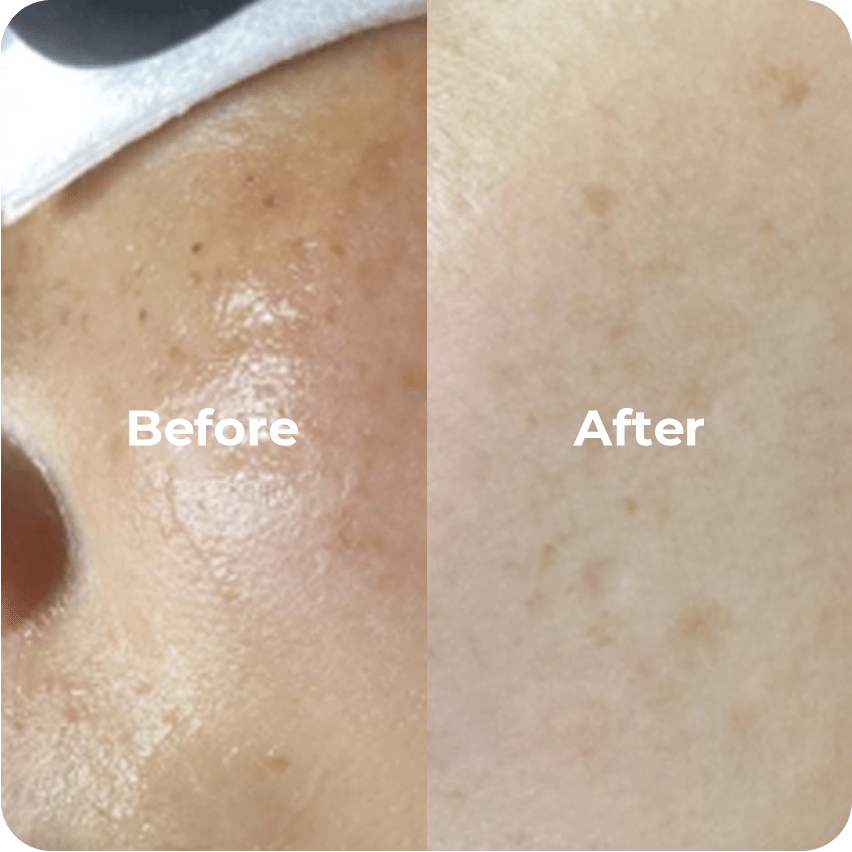
1) Documented competence: Verify staff training certificates and device maintenance logs. Trained operators lower procedural risk. 2) Outcome transparency: Choose clinics that publish or provide before/after data, complication rates, and realistic session counts. That shows they track and improve. 3) Match of device to diagnosis: Ensure the clinic explains why they’ll use a specific laser (wavelength, pulse width) for your veins instead of a canned answer. That technical fit matters for results and safety.
Closing thought and practical value
Pick a certified, transparent clinic and you’ll cut down the guesswork and most avoidable harms; that’s the real value ENZOEYS brings when you’re deciding where to get treated. Trust practical proof — not promises. —