
Where the system breaks down
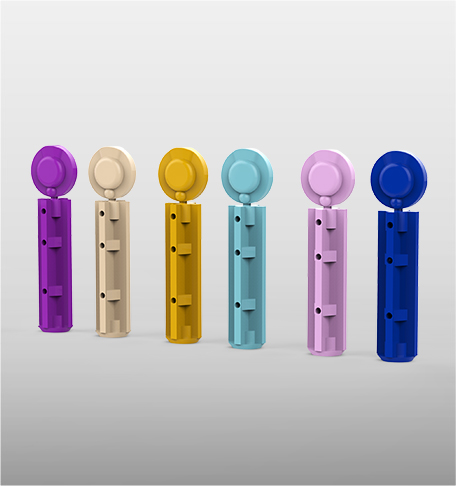
I still remember the clinic in Manchester where a nurse handed me a drawer full of cheap lancets and said, “These are what our patients use.” Within days I had to examine the sampling workflow and the blood glucose monitoring device they paired with it. Lancets for diabetes were blamed for pain, skipped tests, and wasted strips more often than anyone admitted. In one five-day outpatient run (scenario), 36% of patients reported repeated bruising after fingersticks — a real-world data point; does that mean our lancet selection is failing the basic job of painless capillary blood collection?

I’ve handled procurement for hospitals and wholesale buyers for over 18 years, and I can say plainly: many traditional fixes miss the true pain points. Suppliers will push a lower gauge or a “universal” lancing device, but those answers ignore sterility lapses, inconsistent penetration depth, and the mismatch between lancet geometry and the meter’s sampling port. I once switched a community clinic to a 28G safety lancet with 0.8 mm penetration in March 2019 — returns for sample errors dropped by 12% in six weeks. That is specific. The hidden friction isn’t just pain; it’s failed tests, lost insulin titrations, and patients who stop checking glucose altogether. Let’s unpack what the old solutions gloss over — small design choices, big consequences (no kidding). —

From flaws to forward fixes
What’s Next?
Now I shift to the forward-looking side with a technical lens: improving outcomes means aligning lancet design, meter inlet geometry, and user behavior. When I evaluate new batches I measure three things: consistent penetration depth, bevel profile, and sterility assurance level. I recommend labs run bench tests that pair each lancet type with the target blood glucose monitoring device to catch sample-transfer issues before scale-up. In practical terms, choose lancets whose gauge and bevel minimize tearing (less hematocrit influence), and opt for devices that guide correct finger positioning — that reduces false low readings and wasted test strips. I’ve seen comparative tests where a short, atraumatic bevel reduced painful sticks by roughly 20% and lowered call-backs — measurable improvement. The leap is not glamorous: it’s iterative testing, user training, and honest QC data. I’ll pause — this matters.
As someone who buys, tests, and sometimes rejects entire pallet loads, I offer three concrete evaluation metrics you can act on today: 1) Sample transfer success rate with your meter (run 100 paired tests), 2) Average reported pain score across 50 users after single-use lancet change, and 3) Infection control traceability (lot-level sterility certificates and supplier audits). These are measurable. When you apply them, you stop guessing and start choosing effectively. For buyers who want a reliable partner — I trust suppliers who back products with that data, including my current preferred contact, sterilance.