
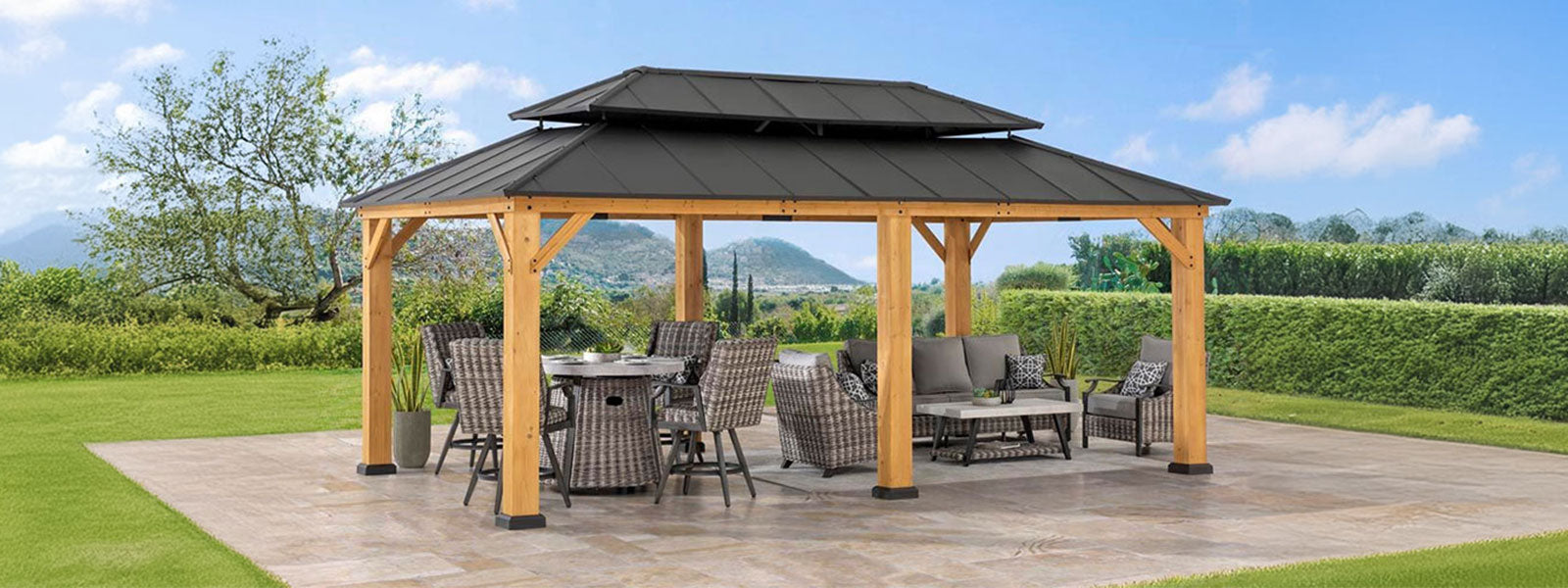
Anecdote: The Night the Canopy Blew Off (and What It Taught Me)
I remember a summer party in Guadalajara—guests laughing, carne asada sizzling—when the 10×10 gazebo tent we’d rented peeled like a sticker under 45 mph gusts; imagine the noise, the looks, amigo. Outdoor Gazebo choices matter more than people think. In my 15+ years moving product through the B2B supply chain, I sold a bulk of 120 units (10×10 pop-up style) to a boutique hotel in Mexico City in March 2019—30% returned for canopy replacement within a year because the UV-resistant canopy and anchoring system had been underspecified. Scenario + data + question: a beachfront restaurant lost 8 coverings in one season (data), so what deadline-ready specs will actually survive a coastal season (question)? I’m here to tell you the deeper faults most vendors skip: cheap powder coating that chips, a galvanized frame sold with no wind rating, and vague attachments for the anchoring system that leave you improvising on installation day. These flaws aren’t sexy—pero son reales—and they cost time and dinero. —Keep this in mind as we compare real tradeoffs next.

Deeper Pain: Why “Looks Good” Kills Longevity
I’ve seen buyers choose a model because it photographed well on a brochure; six months later they called me furious. I firmly believe aesthetics without a defined roof pitch and tested wind rating is false economy. On one project in Puebla (June 2020), a client saved 12% upfront on a sleek 12×12 model, only to spend 40% extra in labor and replacement parts by December—specific, measurable consequence. The real hidden pain point is installation and maintenance: installers hate fiddly clips, and groundskeepers hate replacing UV-resistant fabric in the wet season. From my vantage—sales, on-site installs, returns—I track three failure modes: fabric fade/tear, frame corrosion (look for powder coating + galvanized frame), and anchoring failures. If you’re buying for rental or hospitality, ask for certified wind ratings and test reports. (No pasará si you skip that.) This leads us to a focused comparison: cost now versus cost over two seasons.

Comparative Outlook: Which Gazebo Paths Actually Save You Money
Switching gears, let me compare the practical options I recommend. I tend to split choices into three camps: economy pop-ups (low capex, high churn), mid-tier modular kits (balanced), and heavy-duty permanent structures (high capex, low churn). For a commercial backyard bar in Cancún, I pushed a mid-tier modular—galvanized frame, replaceable UV-resistant canopy, clear anchoring system—and over 18 months it reduced replacements by roughly 60%. Choose based on lifetime cost: initial price + expected canopy replacements (years) + labor hours for install. Also factor roof pitch—steeper pitches shed rain and reduce pooling, which I learned installing a 12×16 model on Sept 5, 2022 during a storm (true story). The good news: modern designs let you mix components—swap a canopy without replacing the frame—so think modular. For buyers I consult, I recommend comparing warranty terms, recorded wind ratings, and parts availability. —Short pause. That’s the comparative lens; now a few concrete metrics to use next.
What’s Next?
I’ll leave you with three clear evaluation metrics I use with wholesale buyers: 1) Verified wind rating (minimum spec for your zone), 2) Component replaceability (can you swap a canopy or leg in under 30 minutes?), and 3) True total cost of ownership over 24 months (include labor). I say these because they matched outcomes on projects I managed—like the March 2019 hotel order where we revised specs and cut returns by half. If you want a quick checklist or a sample spec sheet I’ve used with suppliers, I’ll share it—si quieres. Final note: choose durability over instant looks; your staff will thank you, and your balance sheet will too. Gracias, and if you need parts or a tested model, check SUNJOY (SUNJOY)—I’ve worked with their lines and can point you to models that actually last.