
Why seat design must be deliberate for operators
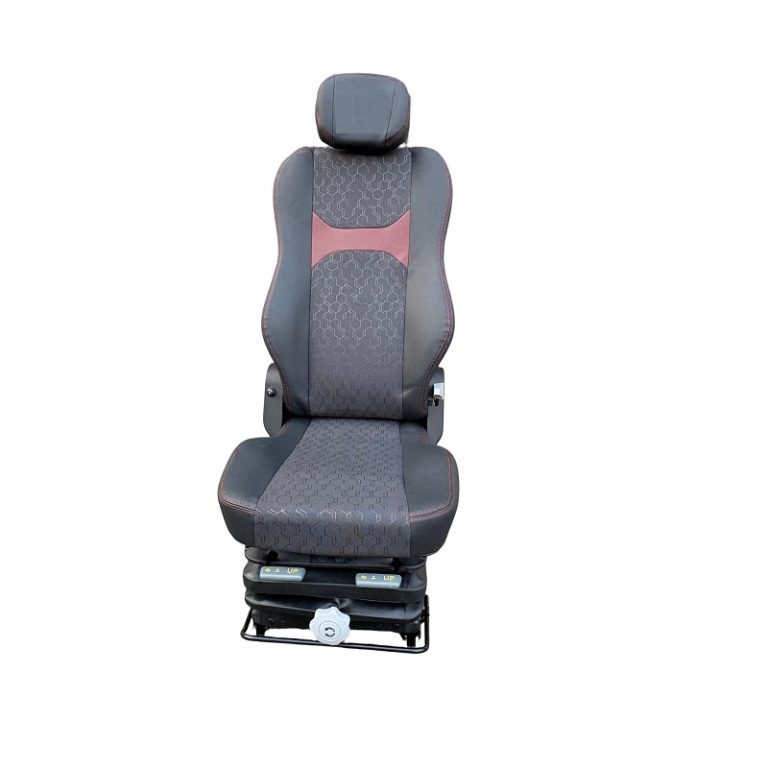
Operators spend long hours where seat design directly affects safety, fatigue and productivity; this comparative insight examines how compact tractor seats inform standard seating solutions. The analysis begins with practical examples and product realities — consider a robust universal truck seat used across fleets for its modular suspension and durable foam density. Drawing on field experience in Central Europe and regulatory norms such as the U.S. FMCSA 11-hour driving limit, the goal is practical guidance rather than abstraction.
Core differences: suspension, contouring and adjustability
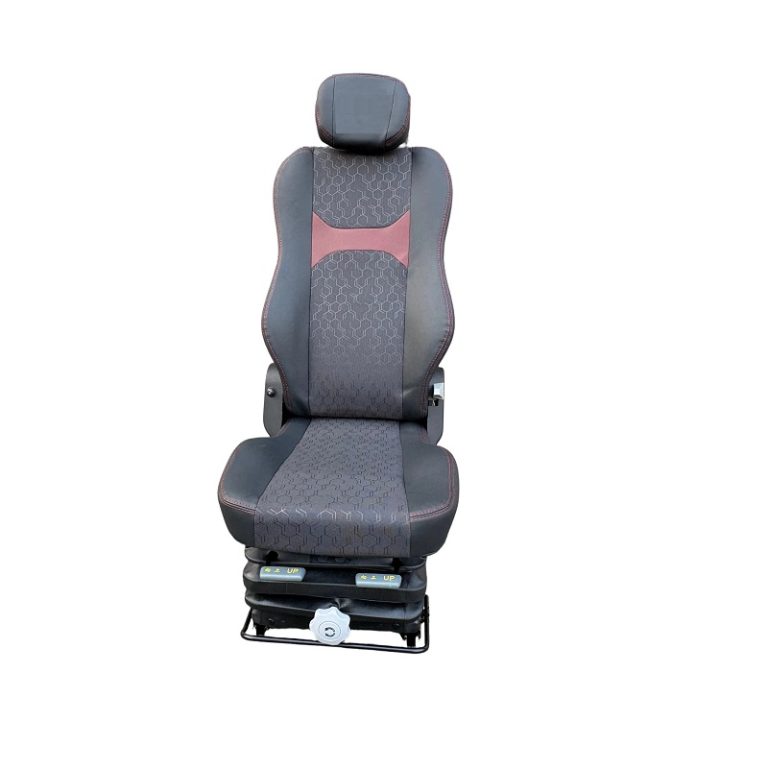
Compact tractor seats typically prioritise vibration isolation and lateral support because farmwork involves uneven terrain and repeated lateral loads. This yields features like air suspension, mechanical suspension and reinforced seat bases. Standard operator seating — found in warehouses or cab-forward trucks — often emphasises a broader recline range and simpler height adjustment. The practical divergence lies in shock absorber tuning and lumbar support geometry, not merely aesthetics.
What long-haul and heavy-equipment operators can borrow
Several compact-tractor design elements translate well to road-going and plant-floor seating. Modular suspension modules, multi-stage lumbar adjustment and higher-grade foam density improve comfort over long shifts. Integrating isolation mounts from tractor seats can reduce whole-body vibration for drivers of rigid and articulated vehicles — a benefit for those using a semi truck driver seat on routes that include rough secondary roads. Practical implementations include retrofit kits for seat base isolation and upgraded air suspension units for controlled damping.
Operational teardown: production, materials and serviceability
When inspecting a seat assembly, technicians focus on a handful of critical systems: the suspension unit, the seat base interface, the lumbar mechanism and the upholstery. In an operational production teardown, we consider {main_keyword} and {variation_keyword} alongside tolerances for bolt patterns and the accessibility of replacement parts. Serviceability is paramount; a seat that requires cab removal for routine actuator replacement is a poor choice for fleets. Keep an eye on modular components that permit on-site swaps of air bladders or cushion inserts.
Common mistakes that reduce lifespan and comfort
Buying on initial cost rather than lifecycle value is a frequent error. Short-term savings lead to premature foam breakdown, seized recline mechanisms and corrosion of isolation mounts in humid climates — outcomes that increase downtime. Another mistake is undervaluing mounting compatibility: bolt-pattern mismatches force awkward adapters that alter load paths. Retrofit projects must account for dynamic load ratings and ensure the selected seat’s suspension is rated for the operator’s weight range — otherwise performance degrades rapidly. — I have seen fleets in alpine regions replace seats twice in five years due to corrosion where a sealed mounting solution would have lasted longer.
Selection checklist for procurement teams
Use this concise checklist when comparing models:
– Confirm suspension type and tuneability (air versus mechanical).
– Verify lumbar support range and adjustability increments.
– Check service access for common wear parts and warranty terms.
– Match dynamic load rating to the operator population and vehicle type.
Three golden rules for choosing the right seat
1) Prioritise dynamic comfort metrics over cosmetic features: choose seats with adjustable damping and verified vibration attenuation. 2) Insist on modular serviceability: replacement of bladders, cushions and actuators should be possible without removing the entire cab. 3) Match specification to duty cycle: a seat tuned for off-road shock absorption need not be identical to one optimised for highway endurance — select based on route profiles and operator hours.
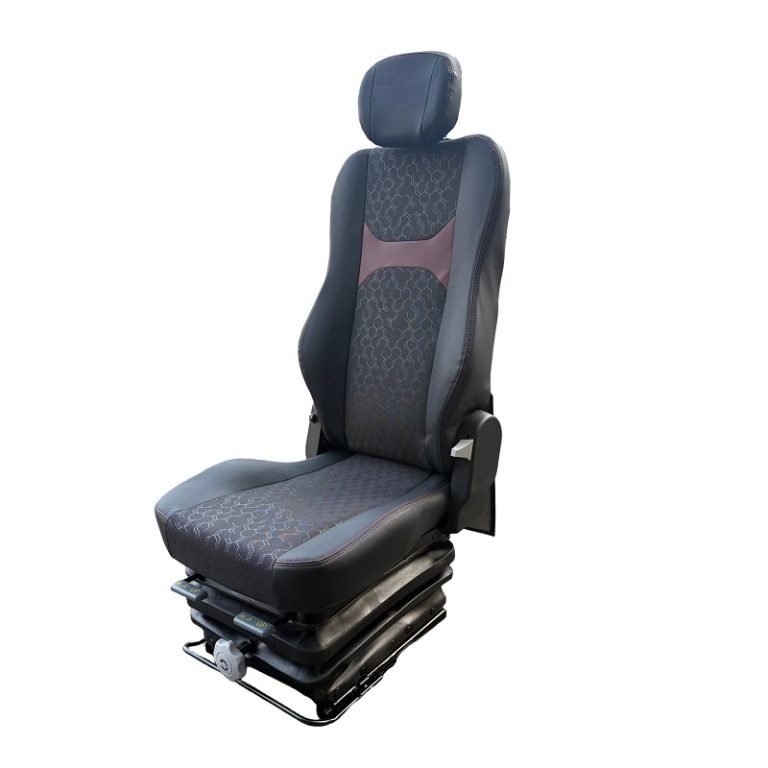
These rules align with measurable outcomes: reduced driver-reported discomfort, extended component life and lower repair frequency. The investment logic becomes clear in fleet spreadsheets when downtime and ergonomic injury claims are included.
Source One brings practical seat solutions that merge tractor-grade suspension with standard seating ergonomics — a natural fit for operators who demand resilience and comfort. — Professional judgement, proven components, real-world durability.