
A future-speculative opening: why we should look now
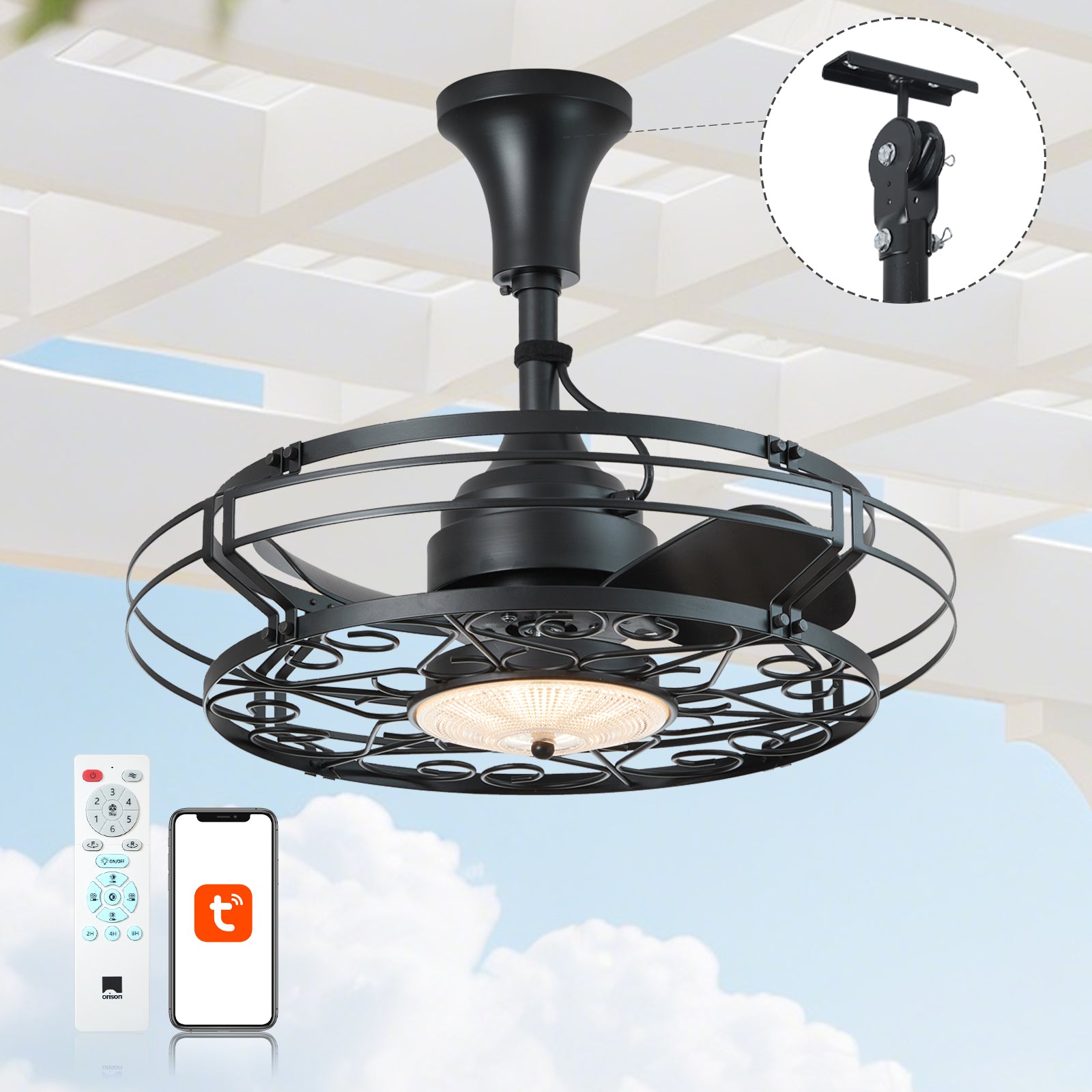
Designers and landscape engineers increasingly imagine outdoor systems as integrated ecosystems rather than isolated products. In this view, the humble outdoor patio ceiling fans are no longer only about breeze; they become safety buffers, energy managers, and aesthetic partners to water features such as floating fountains. Looking ahead, advances in motor efficiency, ingress protection, and smart controls will push these fans into roles once reserved for specialist outdoor appliances. This is not mere speculation — coastal installations in cities like Miami already require elevated IP ratings and robust mounting solutions because salt air and storms expose weaknesses early.
Emerging safety technologies and standards
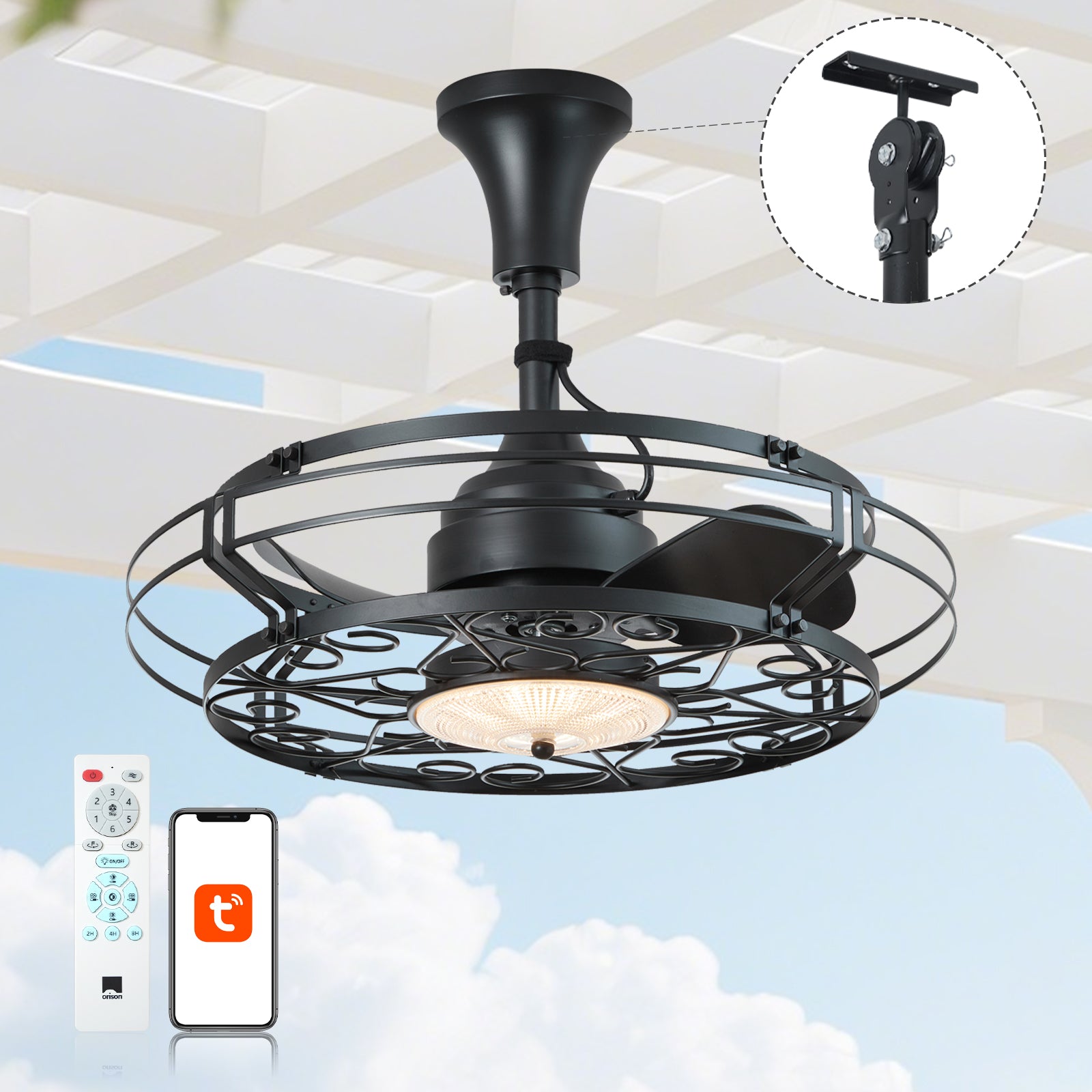
Manufacturers are progressively designing around IEC standards such as IEC 60529, so the IP rating of a unit is central to safety claims. Improved sealing, corrosion-resistant motor housing, and integrated thermal protection reduce failure modes near water. Expect more widespread adoption of DC motor drives with variable-speed control and built-in overload cutouts — features that lower stall risk and reduce electrical stress when fans operate near high-humidity sources. These are practical engineering changes, not only marketing language, and they make a measurable difference to service life and user safety.
Eco profiles: efficiency, materials, and lifecycle thinking
Energy efficiency is the visible axis of the eco story: higher-efficiency motors and optimized blade pitch reduce power draw per CFM. But the quieter revolution is in materials and repairability — modular motor assemblies, recyclable blade materials, and standardized mounting canopy components that simplify replacement. When product design anticipates maintenance, the carbon cost over decades falls. Some firms already publish life-cycle estimates for outdoor fixtures; this transparency will become expected rather than exceptional.
Integrating fans with floating fountains and wet zones
There are practical integration challenges when you pair fans with pond fountains: spray trajectories, ionic corrosion from water treatment chemicals, and the interplay of microclimates around water. Proper placement minimizes mist ingestion into motor housings and protects electrical fittings. Use fans with appropriate IP rating and choose mounting heights and canopy designs that shield connectors. Also, smart control features that adjust speed in response to humidity sensors can reduce cumulative moisture exposure.
Installation practices and common mistakes to avoid
Installers often underestimate the importance of connector sealing and the correct canopy selection for outdoor ceilings. A damp-rated fixture is not automatically waterproof — specify the correct IP rating for proximity to open water. Do not allow standard attic-rated wiring practices when the ceiling opens directly to an outdoor covered patio; grounding and GFCI protection must be verified. One common oversight: assuming blade material resistance equals long-term corrosion resistance — this is not true. —
Design patterns and product choices
Designers should balance three product dimensions: rated ingress protection, motor type, and control interoperability. A DC motor with a proven mounting canopy and IP65 or higher rating is preferable near fountains. If smart integration is desired, ensure the fan supports standard protocols or open APIs to coordinate with fountain controllers and outdoor lighting. Consider blade pitch for airflow needs and local codes for ceiling-mounted fixtures; matching CFM output to the space avoids over-specification and wasted cost.
Real-world anchor and practical evidence
Practical experience in humid coastal zones shows that IP65-rated units with sealed mounting canopies and stainless steel fasteners deliver substantially longer service intervals than lower-rated alternatives. This aligns with the IEC 60529 framework and with municipal guidance in vulnerable regions — an observable result rather than speculative claim. Use that evidence when planning budgets and maintenance cycles.
Common alternatives and when to choose them
If your project prioritizes lowest upfront cost for a covered, low-humidity porch, a damp-rated fan may suffice. For exposed, waterside installations with direct spray, choose fully waterproof, IP65+ fans with stainless hardware and serviceable motor housings. For integrated, sensor-driven environments, prefer units with smart control modules and replaceable motor cartridges so upgrades do not require full fixture replacement.
Advisory finale: three critical evaluation metrics
1) IP and material rating: verify the IEC-aligned IP level and the use of corrosion-resistant hardware. 2) Maintainability index: prefer modular motor assemblies, documented spare-part availability, and clear canopy accessibility. 3) Systems interoperability: confirm control protocols (local and cloud), response to humidity and wind sensors, and capacity to coordinate with fountain controllers.
These metrics give clear, comparable criteria for procurement and design decisions. In practice, they point toward solutions that balance safety, sustainability, and long-term cost — and when a holistic, dependable solution is required, the value of integrated products becomes obvious. waterproof outdoor ceiling fan with light units that follow these principles often reduce maintenance calls and extend feature life.
For planners and homeowners seeking resilient, low-footprint outdoor ecosystems, this is the practical path forward — and the work of brands that truly design for environment and service will matter most. Orison. —