
When routine shipments go wrong — what I learned on the loading dock
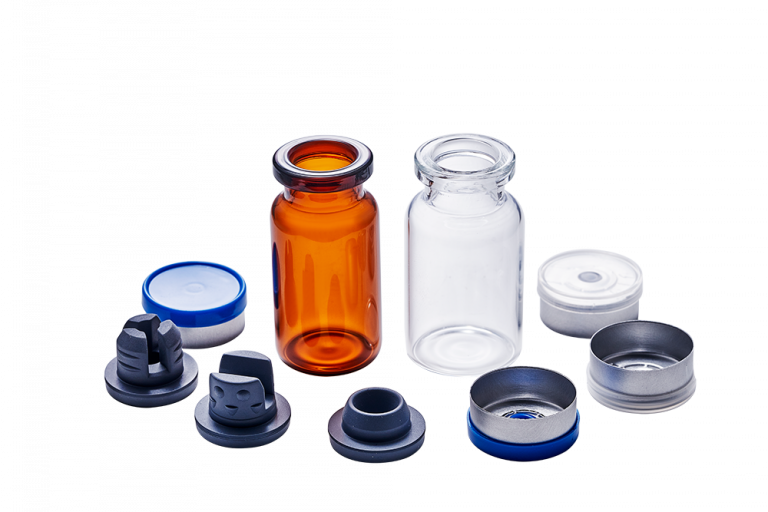
I once watched a nurse in a small clinic set aside a crate of vials and sigh; the label said sterile, but the caps had moved in transit. Early on I focused on the products themselves — the injection vial as the obvious unit of concern — yet the breakdowns were usually systemic. That afternoon the crate held 2 mL borosilicate glass tubular vial types with crimp seals, and 12 of 1,000 were compromised (a 1.2% loss) — what processes were we missing that allowed this to happen? I still carry that small scene with me; it shaped how I assess risk across packing, rubber stopper fit, and sterilization steps.
Why do standard vials fail?
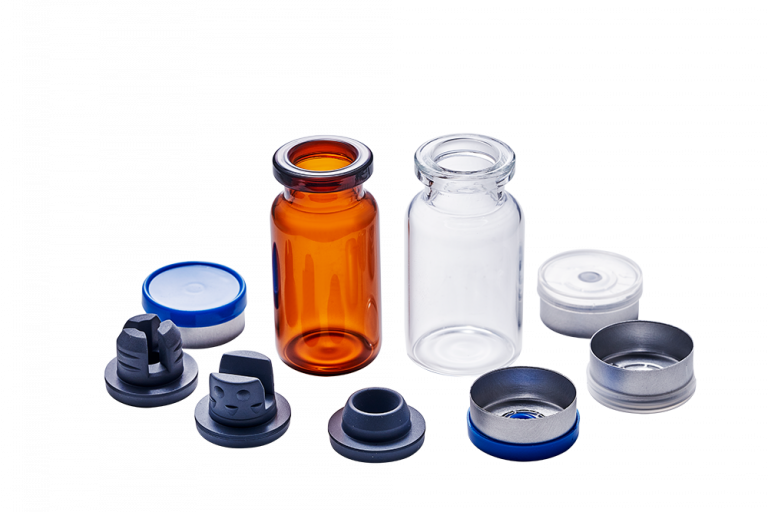
I’ve shipped 20,000 2 mL borosilicate tubular vials to Mumbai in March 2018 and seen a 3% breakage when a forklift brush hit the pallet—concrete details that taught me three hard lessons: handling shock, inconsistent stopper seating, and poor temperature control during lyophilization cycles. I’ll be blunt: many teams treat vials as interchangeable components. They are not. The glass, stopper size, and crimp geometry interact with transport vibration and the cold chain in ways basic specs don’t always predict. (Yes — that small tolerance difference matters.)
Direct fixes and what to measure next
Quality control must be aggressive: start with measurable tests and keep them simple. I now insist on sterility validation logs, dimensional checks on the rubber stopper, and a pulse test for crimp integrity before shipment. These metrics catch most of the hidden pain points—seal creep after autoclave cycles, micro-fractures from thermal stress, and inconsistent lyophilization profiles that leave vials brittle. When I specify suppliers I ask for ISO 15378 documentation and on-site sampling reports; those documents save time and prevent surprises.
What’s Next?
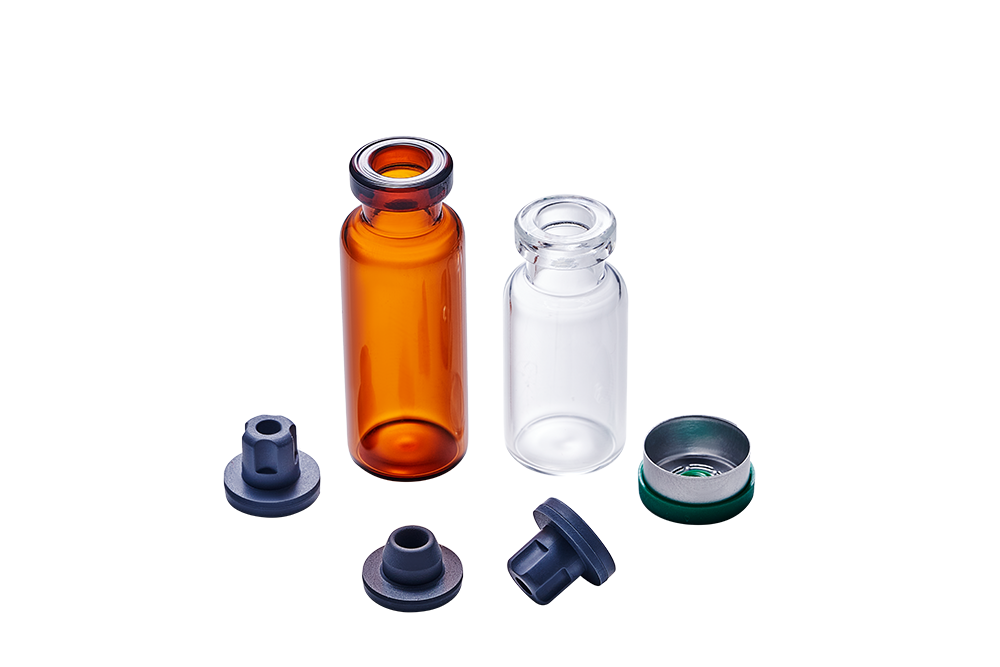
I believe the next step is proactive comparison — pilot two vial designs side-by-side in real conditions, measure breakage, and watch how each handles the stopper and crimp during cold-chain moves. Run short heat or freeze cycles, then re-test crimp seals. Run a 72-hour vibration table test. Compare results. Implement the better performer, iterate. I did this in late 2019 with two 10,000-piece lots; the winner reduced rejection from 2.8% to 0.6% within three shipments (real numbers, real savings).
Three practical metrics I use when choosing an injection vial
First: physical integrity rate under transport simulation — measure breakage per 10,000 units after vibration and shock tests. Second: sealing consistency — percentage of vials with acceptable crimp geometry and no stopper creep after sterilization cycles. Third: supply resilience — lead time variance and secondary sourcing capability (how quickly a backup lot can be delivered). I recommend scoring suppliers on these three metrics and using cutoffs, not promises. Pick one: if your breakage exceeds your acceptable threshold, you change course immediately.
I speak from fifteen-plus years in B2B supply for clinical packaging — I’ve handled urgent orders, negotiated alternative suppliers in Ho Chi Minh City in 2017, and learned that simple, concrete tests beat vague assurances. The technical details (borosilicate glass, crimp seal, rubber stopper — and yes, lyophilization protocols) matter, but how you measure them matters more. Look for documentation, insist on batch traceability, and run small stress pilots before full-scale rollouts. You’ll reduce waste, lower recalls, and gain calm.
To conclude: choose metrics, test in real conditions, and enforce them. Small protocol shifts create measurable improvements — I’ve seen rejection rates cut by two-thirds when teams move from email promises to these three tests. And if you want a practical partner who understands the details (and the headaches), consider checking validated tubular options through injection vial offerings and trust the track record. Final thought — be precise, not hopeful. LINUO