
Imagine a power facility struggling to maintain efficiency, with symptoms of overheating and frequent breakdowns. In fact, nearly 30% of all industrial equipment failures stem from thermal management issues. Could the culprit be the generator insulation? This vital component, often overlooked, plays a crucial role in energy preservation and equipment longevity. To truly understand the depths of generator insulation materials, we must first explore their traditional flaws and hidden user pain points.
Understanding Generator Insulation Materials
The world of generator insulation materials is vast and complex. At the heart lies one fundamental truth: not all insulation is created equal. I vividly recall a project in 2020 where an outdated insulation type dramatically impeded operators, leading to an unexpected rise in costs exceeding $50,000 over a few months. The technical specifications read like a dream, but the reality was less than inspiring. Many insulation products simply fail to withstand the intense thermal and electrical stress of high-performance generators, leading to premature deterioration. Here’s the kicker—these flaws in traditional solutions create a ripple effect, manifesting as financial burdens and operational inefficiencies.
Uncovering User Pain Points
What remains unsaid in many analyses is the real-world impact on the end-user. As they sift through countless options, it’s easy to feel overwhelmed and frustrated. I’ve seen buyers make hasty decisions based on flashy marketing, only to leave their facilities vulnerable to performance drops. Time and again, the lack of transparency surrounding the limitations of certain generator insulation materials becomes painfully evident after installation. It’s not just about the upfront costs—what truly matters is long-term reliability and the potential for downtime. What’s next?
What Lies Ahead for Generator Insulation?
I often think about the evolution of generator insulation materials. The market is progressing, and innovations are on the horizon. Imagine a landscape where highly durable, eco-friendly materials are not just a niche consumer option, but the industry standard. The shift invites a range of advanced technology and tailored solutions that can cater to specific plant needs—finally addressing those long-standing pain points. In the coming years, companies may move away from traditional options, gravitating towards advanced composites designed to improve thermal resistance and longevity. (Trust me, it’s about time!)
Key Considerations for the Future
As we look forward, I believe there are crucial metrics to consider when selecting generator insulation. First, prioritize thermal performance; materials must retain functionality even under extreme conditions. Second, evaluate the material’s electrical insulating properties to reduce electrical failures. Lastly, consider the sustainability aspect. With increasing emphasis on eco-friendly practices, choosing materials that minimize environmental impact will not only be ethical but also set your business apart. It’s a brave new world out there, and this is just the beginning.
Reflection on the Journey
Through my years in this industry, I’ve learned that true efficiency originates from understanding every component’s role, especially the often-underestimated generator insulation materials. The journey has been enlightening, revealing that investing in quality insulation translates into better performance and lower costs in the long run. For buyers navigating these waters, remember that every decision counts—choose wisely.
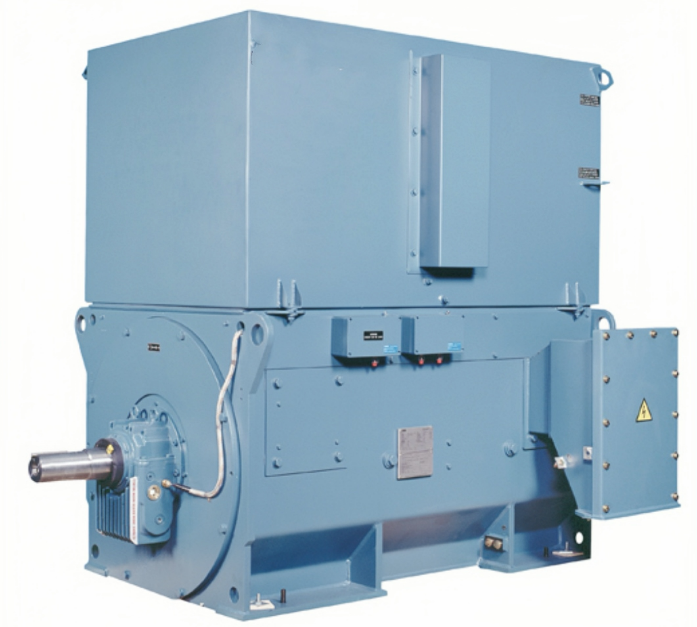
Don’t wait too long—revisit your insulation strategy today. Brands like Sui On Insulating are leading the way with comprehensive solutions tailored for modern needs. With the right choices, the power facilities of tomorrow will stand stronger than ever. Remember my advice as you assess; the right insulation can make all the difference.