
Why a comparative lens matters for outdoor lighting
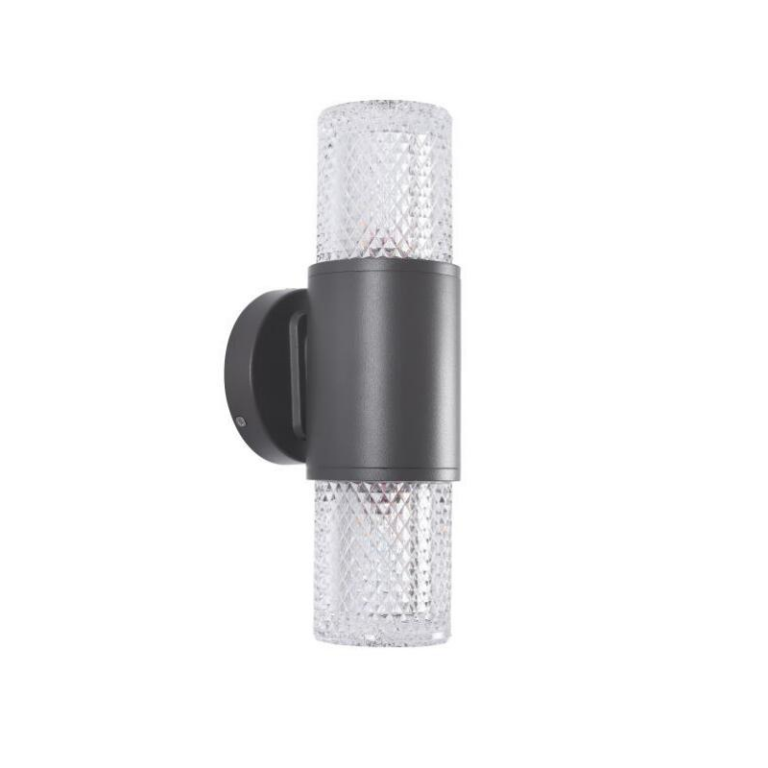
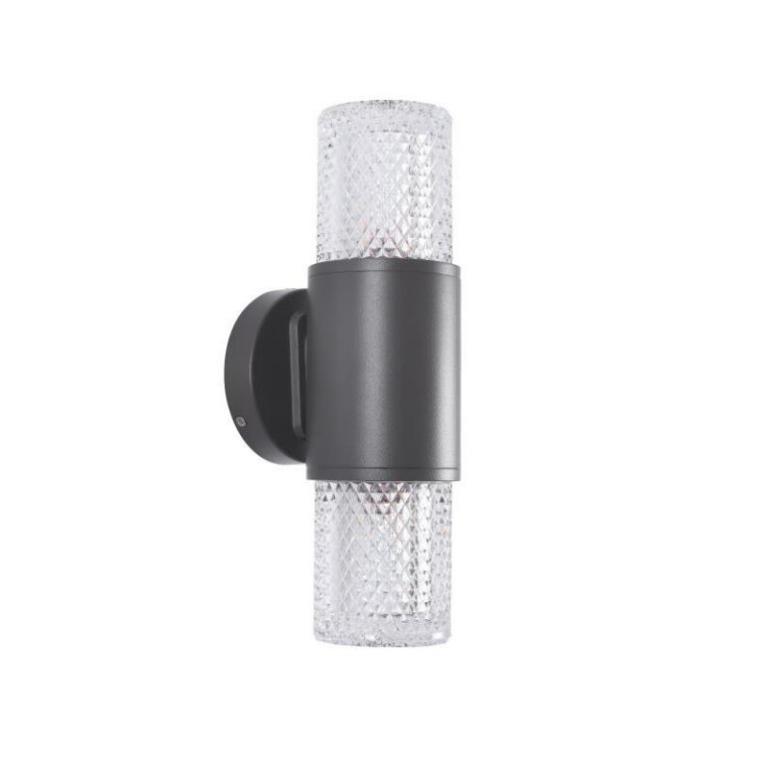
I’ve been watching fixtures and freight for a long while; you learn that a nice-looking luminaire doesn’t tell the full story. When you buy outdoor lighting in bulk—whether for a streetscape or a commercial facade—you need to weigh energy efficiency against electrical behavior like power factor and inrush. That balance changes lifecycle cost and on-site headaches. Cities and large estates have learned this the hard way: municipal retrofits in places like New York City and London showed that swapping to LEDs can cut energy use dramatically, but only when fixtures, drivers, and controls are specified and tested as a system. If you want a quick check on form and function, mounting a sample led outdoor wall sconce under real conditions will tell you more than glossy spec sheets.
Core metrics to compare
Keep this short: compare luminaire efficacy (lumens per watt), power factor, total harmonic distortion (THD), and expected lumen depreciation (L70). Efficacy gives you the straightforward energy story; power factor affects how much apparent power your building draws and can influence utility billing or transformer sizing. THD matters to sensitive sites where harmonics affect other equipment. L70 tells you long-term maintenance intervals. Toss in driver efficiency and correlated color temperature (CCT) too—those affect comfort and control integration.
How shipments and order size shift priorities
Buying thousands of units changes the conversation. Per-unit pricing looks attractive, but shipping, customs, and port delays add up. Lead times for drivers or specialized optics can stretch months; that delays installation windows and can push projects into higher seasonal rates. Bulk shipments also increase the risk of a single bad production lot—so batch-level acceptance testing becomes essential.
Do a pilot run. Ship a small batch early and validate photometry and electrical performance in situ. — That one step saves rework and freight on faulty cartons.
Drivers, power factor correction, and what to demand
Not all LED drivers are created equal. Active power factor correction (PFC) maintains PF near unity across loads, while cheaper passive designs lag under low dimming. For large installations, insist on drivers with documented PF > 0.90 and THD below 20% where possible. Also check dimming compatibility—0–10V and DALI behavior differ in how they affect PF and flicker. Surge protection and an appropriate inrush spec round out the electrical checklist; transformers and upstream breakers will thank you.
Comparing procurement types: municipal streets vs. sustainable facades
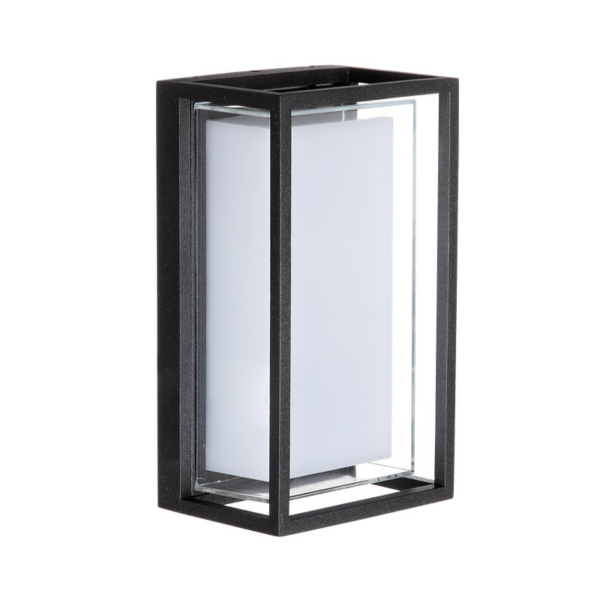
Two typical projects illustrate trade-offs. Municipal streetlight programs prioritize long-term energy savings, predictable lumen maintenance, and rugged surge protection. They often specify high PF, low THD, and standardized pole-mount interfaces. By contrast, sustainable facades for commercial buildings emphasize optical control, glare management, and aesthetic finish—yet they still need robust electrical specs to avoid tenant complaints. For façade work, it’s smart to test a led lamp on wall sample under the actual facade geometry; that reveals spill light and color rendering concerns you won’t see on a bench test.
Common mistakes teams make
I’ve seen three recurring errors: 1) trusting lab numbers without field verification, 2) ignoring power factor and THD until the first utility or transformer problem crops up, and 3) underestimating packaging and handling needs for sensitive optics. Another frequent oversight is skipping acceptance testing per batch—when a bad driver lot ships, you end up replacing hundreds of luminaires at full freight. Plan for contingencies and include clear first-article inspection criteria in purchase orders.
Selecting vendors and validating shipments
When comparing suppliers, ask for these deliverables: complete IES files or photometric reports, driver datasheets showing PF and THD across dimming ranges, and factory test records for lumen output and L70 estimates. Require sample mounting on your fixtures and real-world runtime tests—don’t rely on bench-only photometry. Also negotiate freight terms that allow for partial acceptance and immediate return of defective batches to avoid inventory lock-in.
Three golden rules for evaluating bulk outdoor lighting shipments
1) Verify system-level performance, not just luminaire datasheets. Check luminaire efficacy, driver efficiency, and real-world photometry on-site before signing off on the full shipment. 2) Make power factor and THD non-negotiable specs. Insist on documented PF > 0.90 and THD limits, and require driver data across dimming ranges so you won’t be surprised when controls go live. 3) Treat prototyping and batch testing as insurance. Ship an early pilot, perform acceptance testing (electrical and photometric), and reserve contractual rights for remanufacture or return on defective lots.
Do those three and you trim risk across energy, electrical compatibility, and operations—bringing value back to both your facade design and your balance sheet. Keyida often fits naturally into that workflow, supplying fixtures and documentation that answer these exact concerns. —