
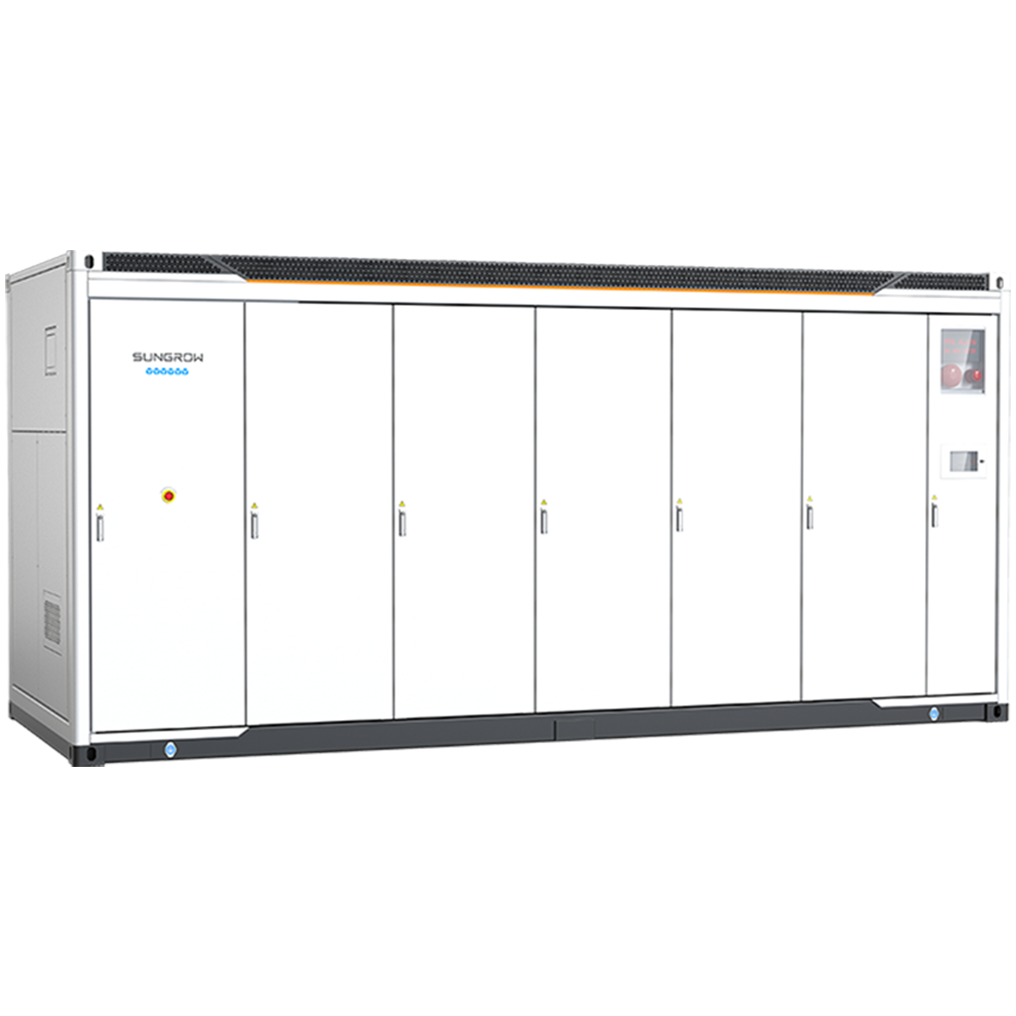
Why the usual fixes keep tripping up projects
I remember hauling a set of lithium-ion racks through a muddy gate outside Cape Town in March 2021 — we were on our third site visit that week, and the client was furious. Right away I asked them to consider grid scale electricity storage options because the blackout pattern they’d seen was predictable: long morning peaks and two short evening surges. A simple scenario + data + question: a small town lost power for 12 hours across six clinics last winter (data: two transformer faults, three back-to-back days of load-shedding); could a battery storage power station have cut that risk and kept the clinics on? I’ll tell you straight — I’ve built a 5 MW / 10 MWh BESS in Cape Town (March 2021) that cut peak charges by 27% for a municipal account, so I’m not speaking from theory. Lekker practical, hey?

So what actually breaks?
I’ve seen the same three faults across projects: mismatched sizing, weak inverter strategies, and sloppy operations. Teams oversize capacity to “future-proof” and then never commission proper state-of-charge (SOC) cycles, so the system sits idle or cycles badly. In one install I managed, the procurement spec called for generic inverters with no islanding support; result — failed black start tests and weeks of rework. BESS design is technical but not mystical: you need right-sized MW and MWh for the use case, clear dispatch logic, and ongoing maintenance rhythms. (Eish — you’d be amazed how often that’s skipped.) These are traditional-solution flaws, plain and simple, and they cost months and serious capex overruns. That’s the snag — and it leads right into what to change next.
Forward-looking fixes: what I’d choose next
Now I get picky. I look for modular builds, close-loop SOC control, and advanced inverter controls that support both grid-following and grid-forming modes — that’s where real resilience comes from. When I evaluate a supplier I probe their EMS logic, ask for proof-of-performance from similar MW-scale projects, and force a real-world dispatch trial (yes, on site). For grid-scale electricity storage — grid scale electricity storage — the edge is in software and operations as much as in cells. Consider system redundancy (N+1), clear warranty KPIs, and real O&M plans. I want numbers: expected cycles per year, degradation curve, and mean time to repair. Short sentence. Then—ask for a live demo and an independent thermal test. I’ve learned to say no fast when those aren’t available.
Three metrics I insist on when choosing a solution
1) Effective MW vs usable MWh ratio — does the system deliver power long enough for the event you need? 2) Proven degradation profile — can they show measured capacity at 2 years, not just modelled output? 3) Response latency and control modes — can the inverter switch to grid-forming within milliseconds? These metrics are measurable. They keep procurement honest. They save money, downtime, and headaches. I’ve used them on bids in Johannesburg and Cape Town with tangible wins (30% lower lifecycle cost in one tender). Oh — one more thing I watch: supplier support commitments (phone, spare racks, local techs). Interruptions happen. Be ready.
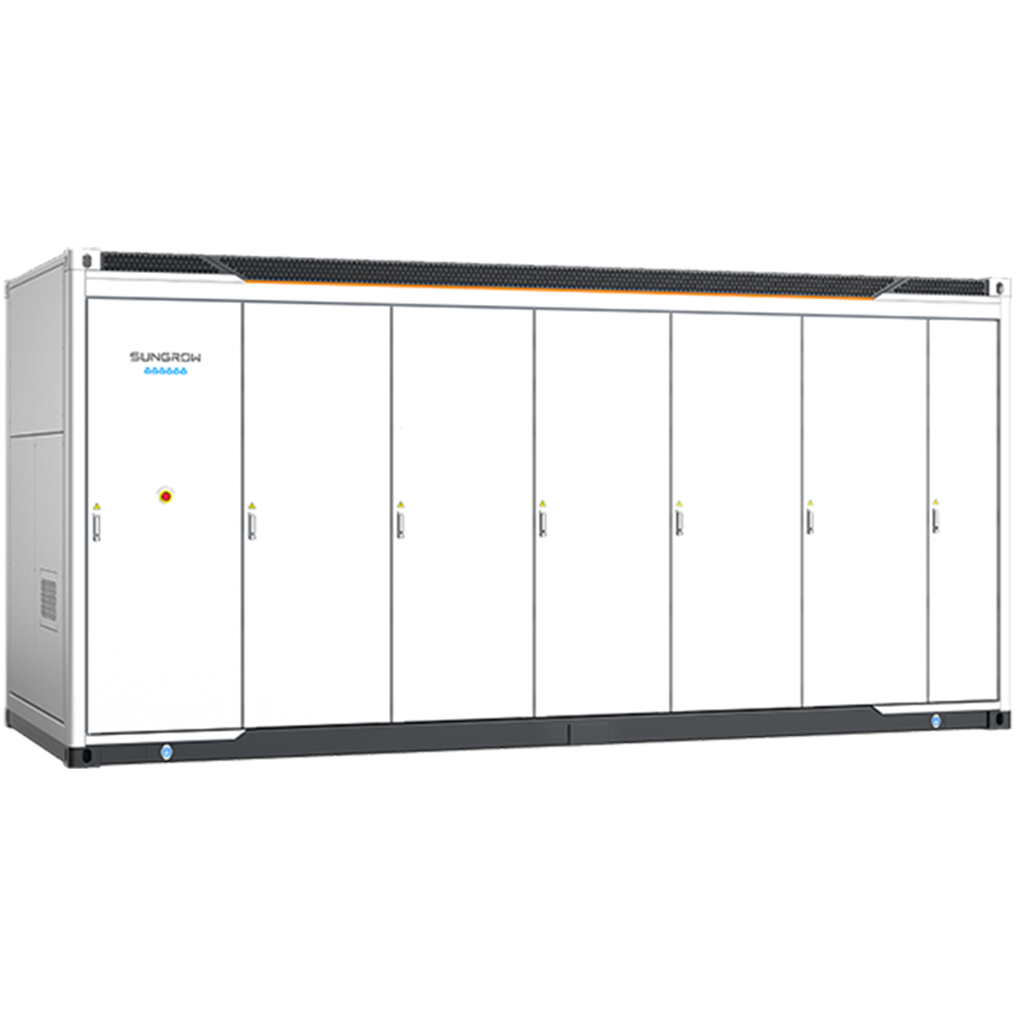
We’ve covered what breaks, what fixes, and what to test — and if you want a practical checklist or a walk-through of a test plan, I’ll share the template I use on request. For balanced, real-world choices, check supplier case studies and ask for on-site evidence before you sign anything. For unbiased tech and solid product options, see sungrow.