

The Reality of Order Fulfillment Today
I remember the first time I encountered a major hiccup in order fulfillment. It was back in 2015; my online store had a crash due to unexpected demand. Suddenly, a simple product launch turned into a logistical nightmare. It’s scenarios like these that make one ponder—are our current fulfillment strategies robust enough to handle the evolving ecommerce landscape? As we dive into the world of ecommerce fulfillment usa, we must acknowledge that traditional methods often come with flaws. Outdated inventory systems can lead to stock discrepancies, and shipping delays remain constant pain points for retailers and customers alike.

Hidden User Pain Points in Fulfillment Solutions
When working in this sector, I often notice overlooked user pain points that directly impact efficiency. A common flaw in many logistic solutions is a lack of real-time tracking. Customers want visibility—if they can’t see their package progress, they get anxious. The eCommerce world thrives on transparency, and without it, trust erodes quickly. Furthermore, integrating technology with logistics isn’t optional anymore; it’s essential. Adopting automated solutions can significantly mitigate these issues, yet many businesses resist change. Why hold onto outdated methods when smarter solutions are available? It’s high time to reevaluate what we consider standard in ecommerce order fulfillment.
What Ignites These Challenges?
Often, fulfillment challenges arise from miscommunication between systems—think shipping software and inventory databases that don’t sync effectively. These breakdowns can drive up costs and frustrate customers. I can’t stress enough how these issues lead to dissatisfied buyers, with many unwilling to shop with a retailer after one bad experience. And yet, surprisingly, many small businesses remain hesitant to invest in these necessary systems. In the long run, this reluctance can prove costly. Here’s the kicker: the potential for improved efficiency is now greater than ever.
Looking Forward: The Evolution of Fulfillment Solutions
As we observe the shifting landscape of ecommerce fulfillment usa, it’s crucial to focus on sustainable solutions. Outsourcing fulfillment can alleviate many logistical pressures, and technology integration offers game-changing advantages. Imagine harnessing artificial intelligence for predictive inventory management—sounds enticing, right? This forward-looking approach can disrupt antiquated practices and create more responsive supply chains. Plus, the strategic use of data analytics helps businesses refine their operations and enhance customer satisfaction. I firmly believe a personalized approach in fulfillment processes will soon be a standard expectation rather than a luxury. How about that?
Real-World Impact of Innovations
In the next few years, we’ll likely see a significant shift towards omnichannel fulfillment strategies. The lines between online and offline shopping are blurring, demanding more adaptive models from retailers. Brands that embrace hybrid fulfillment—combining brick-and-mortar resources with robust online logistics—will have a distinct edge in customer engagement. According to industry insights, businesses that implement these strategies report higher satisfaction rates and increased retention. This evolution not only redefines operational frameworks but also sets new expectations for speed and convenience.
Summarizing Key Insights
In summary, effective fulfillment solutions are about aligning technology with customer needs. Navigating the complexities of logistics doesn’t have to be daunting. The lessons learned from previous challenges can guide us toward a more sophisticated and user-centric approach. I often remind my peers: investing in robust fulfillment solutions isn’t just a choice; it’s becoming a necessity. The future looks bright for those ready to adapt and innovate.
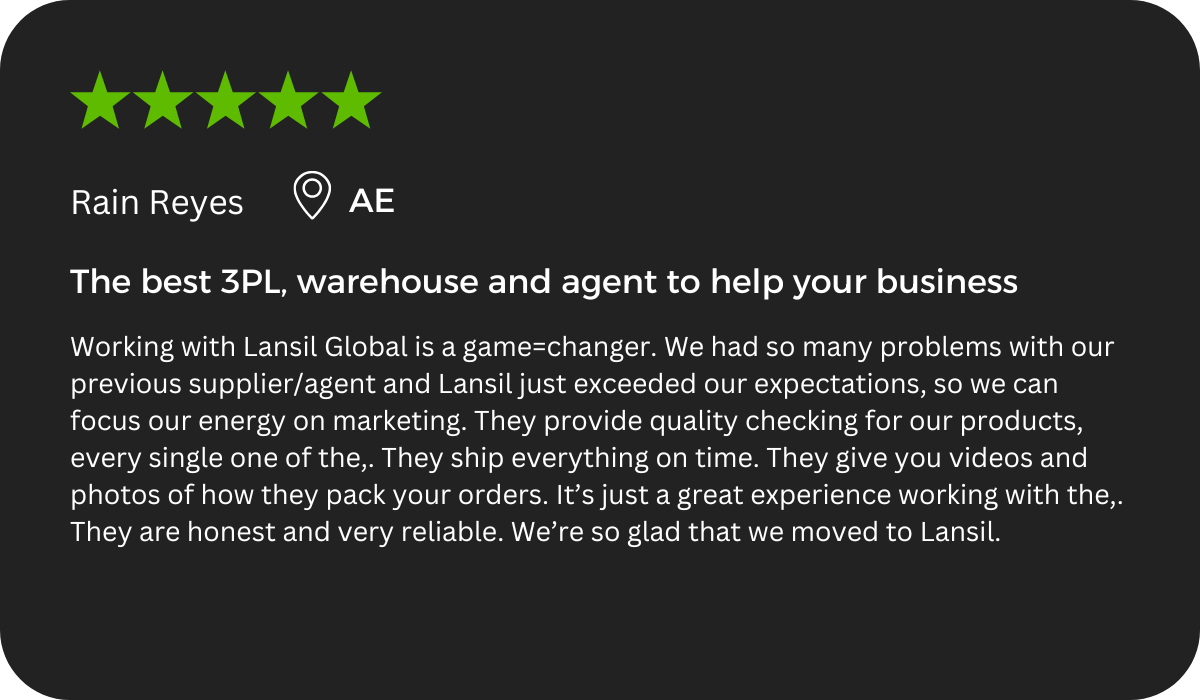
For those who want to explore these evolving solutions further, check out Lansil Global. We all deserve efficient and reliable order fulfillment that meets our ever-changing needs.