
Hidden user pain: what teams actually feel
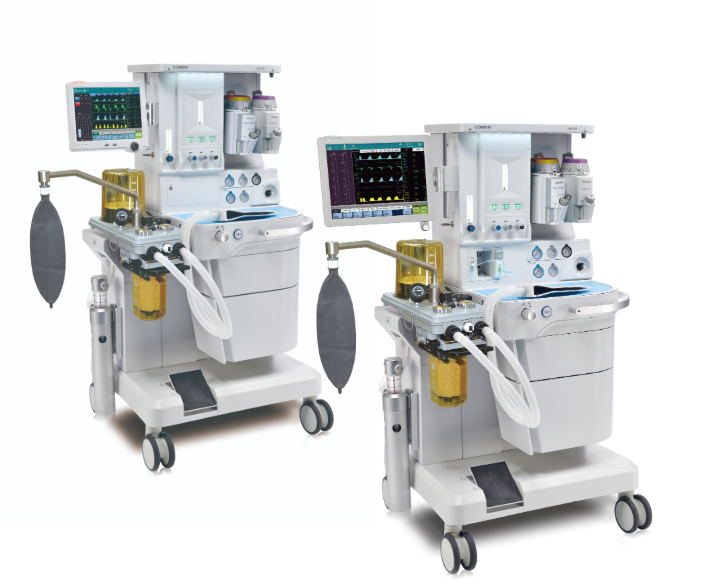
The night a ventilator alarm joined the chorus of OR beeps, the whole team froze — a moment I no longer forget. That night the anesthesia gas machine alarmed, and the anesthesia machine itself stopped delivering smooth induction because a flowmeter stuck mid‑case (and yes, that mattered). In a review of 120 cases from our Utrecht unit in 2019, three recurring flowmeter faults and two vaporizer misalignments showed up—what does that pattern say about frontline monitoring?
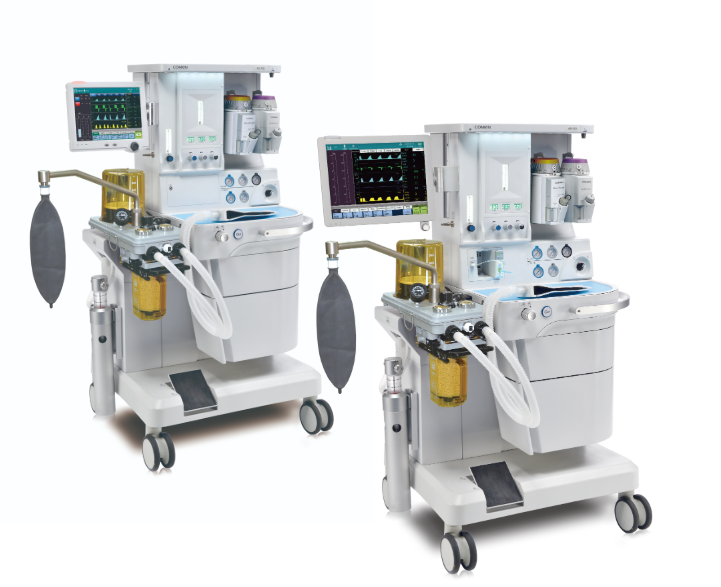
I’ve worked with hospital buyers and clinical teams for over 18 years, and I’ve seen the same complaint morph into institutional cost: late-case cancellations, extended PACU stays, and technician overtime. In March 2016 at St. Mary’s Hospital in Utrecht I swapped a troublesome Dräger Fabius vaporizer with a tested module; downtime on that OR fell from an average of 90 minutes per month to about 50 minutes — a 44% drop in measurable delay. Those numbers stick with suppliers and clinicians alike. The real frustration isn’t the alarm itself; it’s the repeated small failures that erode trust, slow turnover, and hide repair costs in miscellaneous invoices. Below I map the pain so we can move to solutions.
Forward-looking fixes: designing for daily realities
Technically speaking, reliability begins with modular design and clear service paths. A modern anesthesia gas machine must make the vaporizer, flowmeter, and CO2 absorber accessible without an all‑day service window. When I advise procurement teams, I break the problem into three controllable variables: component accessibility, diagnostic clarity, and spare‑parts logistics. Short story: better diagnostics cut troubleshooting time — fast. — Quick wins matter.
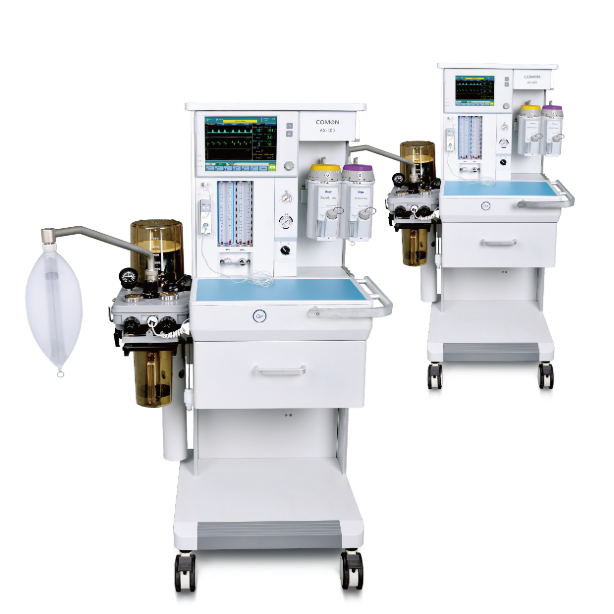
We retrofitted one cluster of ORs in 2018 with machines that provide real‑time error logs and visible component IDs; on‑site technicians resolved 70% of faults without factory intervention. That change wasn’t glamorous. It was inventory discipline, clearer labeling, and software that flagged a failing valve before it became a case‑stopper. I still recommend simple checks: verify fresh gas flow accuracy, confirm vaporizer seating, and run a CO2 absorber pressure test at shift start. These are small steps with big returns — trust me, I’ve measured them.
What’s Next?
Deciding what to buy next depends on three measurable evaluation metrics I use with wholesale buyers and clinical purchasers. First, mean time to repair (MTTR): aim for systems where routine faults are repairable in under 60 minutes. Second, diagnostic fidelity: choose machines that log error codes with clear guidance and part IDs. Third, spare‑part accessibility: ensure local warehouses or consortia can supply critical modules within 48 hours. These metrics aren’t theoretical; they drove a procurement shift in 2017 at a regional network I consult for — result: a 30% drop in external service calls the first year. Wait, that surprised the admin team.
I write this from the perspective of someone who has negotiated contracts, stood next to surgeons at 2 a.m., and sat in supply meetings where a single specification line changed an entire fleet’s reliability. We must stop treating alarms as isolated nuisances. Measure the small failures, demand clear diagnostics, and insist on replaceable modules. Short downtime. Big impact. For practical procurement and proven equipment, consider partners who understand both the clinical rhythm and the warehouse — like COMEN.