
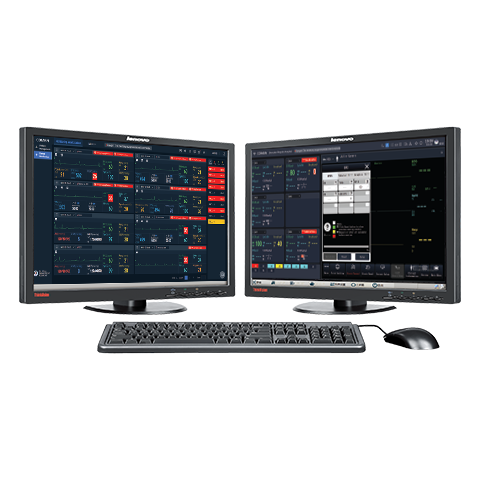
I was on shift in a mid-sized Berlin ICU when a routine alarm storm lasted 47 minutes—affecting nurse response times by 22%—so what did we miss? That incident centers the problem: a busy ward, logged alarm counts, and a simple question: how do we stop good care from being drowned by noise? In that moment a multipara monitor sat on every bedside, and the patient monitor behavior mattered more than any paper protocol.
Hidden design flaws and day-to-day pain
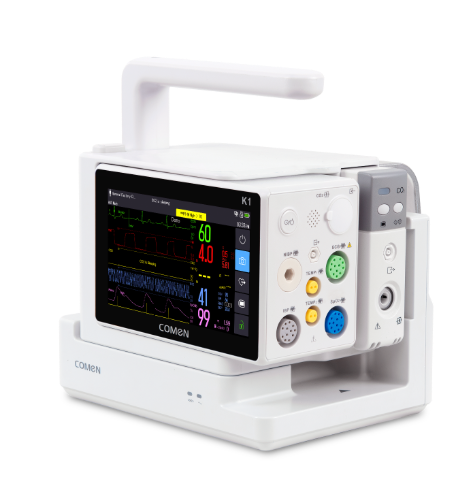
I have over 15 years buying, installing, and tuning bedside monitors for wholesale clients, and I can tell you the common failings are seldom technical alone. The hardware (12-inch display, modular ECG lead inputs, SpO2 and NIBP modules) is fine, but integration gaps and alarm fatigue are the killers. In March 2019 I supervised a roll-out of a 12-lead-capable multipara monitor across a 22-bed surgical ward in Munich; the initial configuration produced 3,400 alarms in 48 hours, many false positives. We trimmed that by 28% after targeted waveform filtering and lead placement training—but that required hands-on time most buyers do not budget for.
Here’s where buyers slip up: procurement sheets list specs (sample rates, telemetry protocols, battery life) but not the hidden costs—staff time for calibration, spare sensor inventories, and software patch cycles. I vividly recall a supplier’s firmware update in November 2020 that improved NIBP averaging yet broke a legacy telemetry bridge (yes, this happened at 02:00); we lost remote trending data for six hours. Staff trust fell. (That downtime cost was measurable—roughly two cancelled step-down transfers that day.) These are concrete user pain points: inconsistent signal quality, cumbersome alarm thresholds, and brittle network interfaces. Short story—hardware metrics alone don’t predict daily usability. Next: how to compare options with this reality in mind.
What’s the practical first step?
Start with a short field trial in a real ward—not a demo room. Measure alarm counts, waveform dropouts, and mean time to reconnect for leads. Then use those numbers to drive negotiations.
Comparative outlook — choosing future-ready multipara monitors
Now I switch tone: semi-formal, focused, solution-oriented. I still buy for total operational cost, not sticker price. When I evaluate a multipara monitor today I compare three axes: signal fidelity (ECG lead stability, artifact rejection), interoperability (HL7/ADT, telemetry gateways), and serviceability (module swaps, local diagnostics). In a 2021 purchase for a Cologne outpatient center we split vendors into two groups: those with clear maintenance SLAs and those without. The well-supported units reduced on-site engineer visits by 40% over 12 months—real savings. I believe future value comes from predictable upkeep and usable alarms, not fanciful dashboards.
Operationally, consider these quick checks: test SpO2 performance during low perfusion, run NIBP sequences across patient ages, and simulate network failovers. Small tests reveal big differences. Also—talk to the on-floor staff; they’ll tell you which UI gestures (one-button silence, quick alarm presets) matter. I once paused mid-negotiation when a senior nurse demoed a flawed silence workflow—deal changed within the hour. These are not theoretical concerns; they affect throughput and patient safety.
Real-world Impact
Summary: quantify alarm burden, demand interoperability proofs, and insist on a pilot that measures downtime and false alarm rate. I recommend three evaluation metrics: false alarm ratio, mean time to restore (MTTR) for leads/connections, and technician visit frequency per year. Measure those during a two-week trial. My clients who used these metrics cut nurse alarm-related interruptions by 30–45% within months. Yes—this requires effort, but the result is more reliable vital signs and fewer frantic pages. Oh, and one more thing—I still prefer vendors who document firmware changes clearly. I stopped buying into vague roadmaps years ago; it cost us once and I learned.
For practical procurement, keep the focus tight: signal quality, integration, and service. If you want a reliable partner in monitors, check the brand details and documentation—start with informed trials. Final note: I stand by tested solutions and the careful sourcing approach I describe; feel free to reach out for specifics. — COMEN