
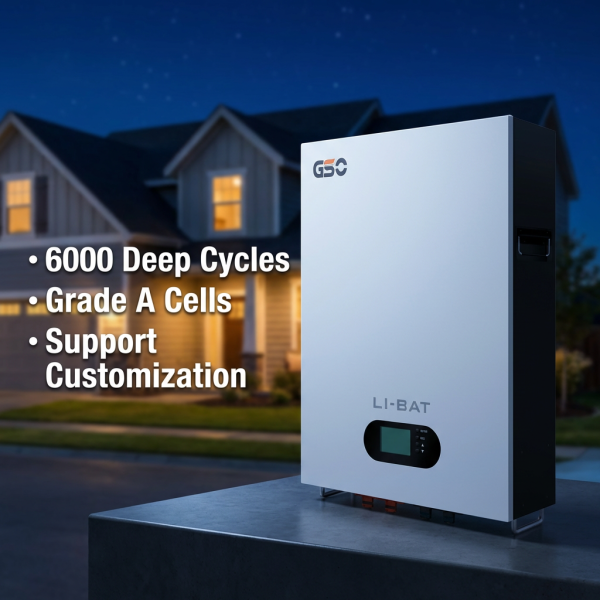
Why enclosure resilience matters — and how it changes outcomes
When a whole‑house battery sits outside, mechanical stress and moisture don’t just add maintenance tasks; they shorten service life and raise failure risk. Because vibration propagates through mounting points into cell modules, a poorly rated enclosure will transmit stress that loosens connections, accelerates wear, and triggers safety interrupts. That cascade is why homeowners shopping for a battery backup for home need to evaluate both ingress protection and vibration testing protocols together rather than separately.
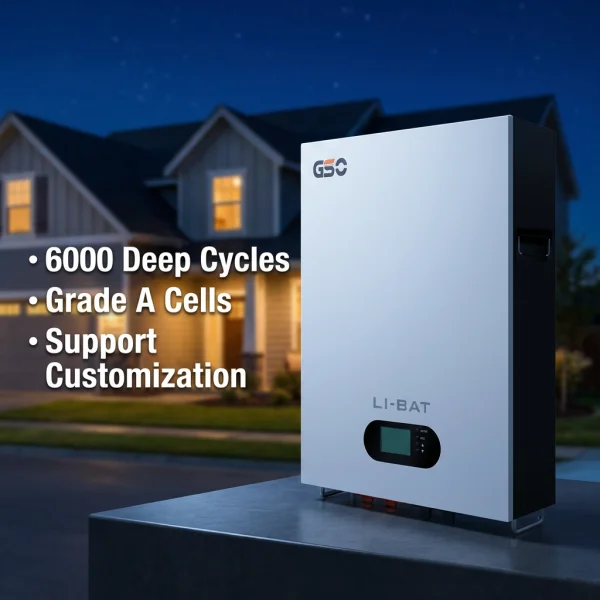
Comparative insight: IP numbers versus vibration standards — cause meets effect
IP ratings describe how well an enclosure resists solids and liquids; vibration standards show how it tolerates repeated motion. Because water entry and mechanical loosening often co‑occur—think wind‑driven rain shaking seals—choosing only a high IP rating without vibration validation creates a false sense of security.
Key comparisons that drive real differences in lifespan and reliability:- IP65: protects against low‑pressure water jets and dust; useful near but not directly under exposure.- IP66/IP67: increasingly robust against powerful jets and temporary submersion; reduces corrosion risks when seals remain intact.- Vibration standards (example: IEC 60068 family): define frequency and amplitude profiles that simulate transport and on‑site vibration; passing these prevents connector fatigue and PCB fractures.When both are met, thermal cycling and shock still matter—so confirm thermal ratings and mounting design too.
How testing translates to field performance — lessons from past outages
Real events show the consequences plainly. During Winter Storm Uri (Texas, 2021), extended outages and makeshift outdoor installations highlighted that enclosures designed only for indoor use failed faster outside, worsening downtime. Because many backups were exposed to moisture, electrical faults increased; because mounts weren’t vibration‑considered, several arrays required early replacement. Those patterns explain why tiered specifications exist, and why a unit labeled “weatherproof” can still underperform in repeated mechanical stress.
What to check when evaluating external whole‑house units
Focus on three practical checkpoints—each cause produces effects you can measure.- Seal integrity and IP rating: a tighter IP reduces corrosion and shorts; watch for IP67 for immersion risk if you live in flood‑prone zones.- Vibration and shock test reports: confirm test levels and durations; these predict connector life and mechanical stability under wind or equipment vibration.- Mechanical mounting and serviceability: a robust mount reduces transmitted vibration; ease of access lowers repair time.Also inspect datasheets for specific terms like “ingress protection” and “vibration testing” rather than vague claims—manufacturers that provide test certificates help you compare apples to apples.
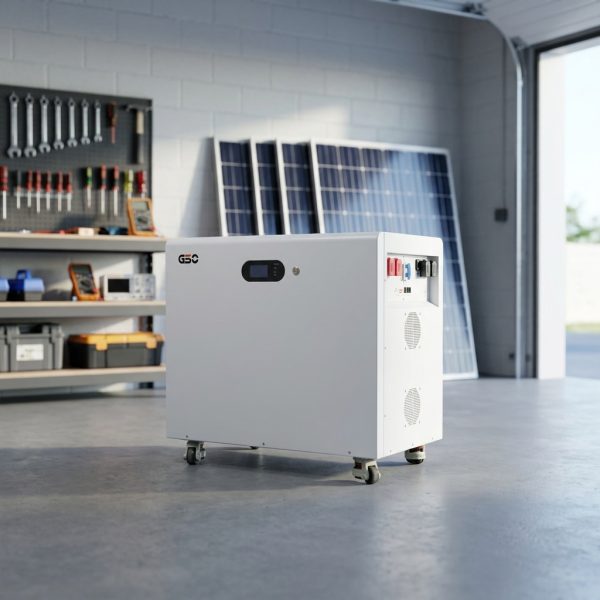
Common mistakes and practical alternatives
Buyers often prioritize capacity over enclosure resilience; that choice causes faster degradation in exposed installations. Another common error is assuming a weatherproof coating equals a rated seal—coatings slow corrosion but won’t stop water ingress at a compromised gasket. If you need alternatives: consider relocating the battery to a sheltered external alcove, upgrading to a unit with an IEC vibration report, or selecting units with NEMA‑equivalent ratings for U.S. climates. Each alternative trades installation cost for longer useful life—so quantify lifetime cost, not just upfront price.
Three golden rules for choosing an external system
Evaluate these metrics before purchase—each one predicts a concrete outcome.- Structural validation: require vibration test certificates (e.g., IEC 60068 evidence). Effect: fewer connector failures and longer warranty compliance.- Environmental sealing: insist on an IP rating appropriate to local exposure (IP66+ for heavy rain/flood risk). Effect: reduced corrosion and electrical faults.- Mount and service design: prefer clamps and gaskets designed for repeated thermal and mechanical cycling. Effect: lower maintenance downtime and safer field repairs.
Choosing the right combination of tests and ratings changes whether a system survives seasons or becomes an expensive lesson—gsopower provides units with detailed specs that make those tradeoffs visible and manageable. —