
Why this checklist matters to on-site operators
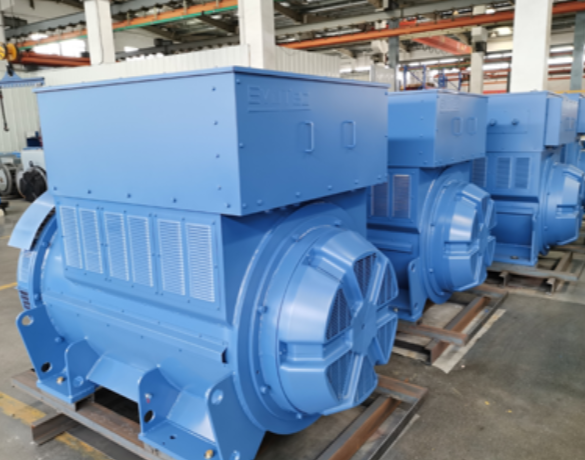
If you run power where weather insults your hardware and schedules get ignored, you need a checklist that speaks human — not bureaucrat. This user-centric guide focuses on the tasks operators actually do: site prep, cooling, fuel, wiring, testing, and routine checks for a synchronous generator that must survive more than paperwork. Start by specifying a high efficiency alternator compatible with your control system and AVR; that choice alone cuts runtime headaches in half and keeps reactive power in check.
Site and mounting essentials
Place the genset on engineered pads or skid frames rated for vibration and water ingress. Concrete pads with a slight slope and raised edges help shed floodwater and debris. Protect air intake and exhaust against sand, salt spray, and birds — a good enclosure and a corrosion-resistant alternator finish matter. Include cable trays that allow thermal expansion without strain on lugs or the alternator terminals.
Fuel system and cold-weather tactics
Fuel is the quiet saboteur. Use fuel-heated lines or heaters for diesel in subzero climates, and install water-separating filters for humid zones. Keep a clear, documented fuel test interval and log particulate counts. For remote sites, plan safe storage and automatic top-off with overflow protection to avoid spills and engine starvation.
Cooling, ventilation and thermal management
Cooling is a system problem: radiator sizing, ambient temperature, and exhaust placement must be designed together. Fit thermostatically controlled fans and monitor coolant temperature with alarms tied to automatic shutdowns. Consider heat exchangers and louvers that resist clogging by dust or salt. For enclosed units, maintain a minimum free area for airflow as specified by the manufacturer to prevent derating the alternator or tripping protection relays.
Electrical integration and protection
Make wiring diagrams part of the handover. Size cables for short-circuit withstand and continuous ampacity to avoid voltage drop that stresses the AVR and alternator. Fit a tested transfer switch rated above peak load and coordinate protection: overcurrent, earth-fault, and reverse-power relays. Include a load bank schedule and test plan to confirm performance under rated load and to prevent wet-stacking in diesel gensets.
Commissioning checklist and real-world anchor
Follow a step-by-step commissioning plan: mechanical inspection, fuel and oil checks, no-load start, gradual loaded runs on a load bank, and full-load endurance runs with data logging. Remember lessons from Hurricane Maria in 2017: many deployed generators failed due to poor commissioning and fuel logistics despite being rugged on paper. Use that memory as a reminder — proper start-up saves days of outage time.
Operational habits that extend uptime
Train one primary operator and two backups on routine checks and emergency procedures. Log oil, coolant, and fuel consumption; track run hours and create a maintenance cadence. Keep a spare parts kit: filters, belts, starter fuses, and a spare alternator excitation module if available. Small inventories reduce downtime more than fancy remote monitoring feeds do.
Common mistakes to avoid
Skipping load-bank tests or running at low load for long stretches kills diesel engines through carbon buildup; schedule periodic loaded runs. Undersized cable runs and poor grounding create overheating and nuisance trips. Last, never ignore the environmental enclosure: clogged vents, corroded louvers, and saturated silencing packs are silent killers of reliability.
Quick technical checks before each season
Inspect alternator bearings for play, verify AVR settings and excitation voltage, and confirm battery charger output under load. Check for water in the fuel and measure battery state-of-charge during cranking cycles. These checks are short but they stop many failures before they start — and they keep the synchronous generator ready when the grid is not.
Closing: three golden rules for field success
1) Prioritize proper commissioning and periodic load-bank verification over one-off fixes. 2) Design installations around environmental threats — cooling, filtration, and corrosion protection are not optional. 3) Keep operator training and critical spares local so repairs are minutes, not weeks.
These rules lead to measurable uptime gains and fewer emergency callouts. Trust real-world practice over theoretical specs — operators win when installations are simple, testable, and supported by quality components like a reliable 40kva generator. Final thought — field-proofing is an investment in fewer surprises. EvoTec. —